Saint Martin Island Kicks Off its Tourist Season with their New Regulations, Sustainability Efforts and Visitor Caps to Ensure a Sustainable Tourism Growth – Travel And Tour World
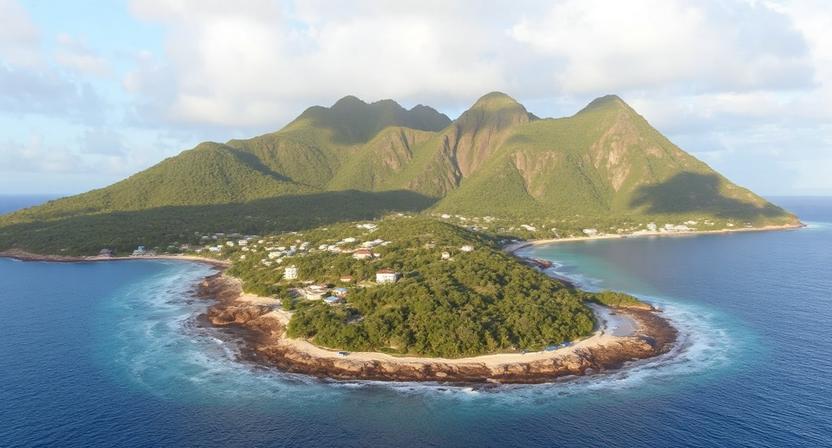
Report on Sustainable Tourism Initiatives for Saint Martin Island’s 2025 Season
1.0 Introduction: Launch of a Sustainable Tourism Model
The 2025 tourist season on Saint Martin Island, Bangladesh, commenced on December 1, 2025, with the arrival of 1,174 visitors. This season marks the implementation of a new regulatory framework designed to foster sustainable tourism growth. The policies prioritize environmental protection and controlled visitor access, aligning with several United Nations Sustainable Development Goals (SDGs), particularly those concerning economic growth, responsible consumption, and marine conservation.
2.0 Visitor Management and Regulatory Enforcement
To mitigate environmental impact and ensure the long-term viability of the tourism sector, the district administration has implemented stringent visitor management protocols. These measures are critical for achieving SDG 8 (Decent Work and Economic Growth) and SDG 11 (Sustainable Cities and Communities) by preventing the degradation of natural assets that underpin the local tourism economy.
- Daily Visitor Cap: A maximum of 2,000 tourists are permitted to visit the island per day to prevent overburdening local infrastructure and fragile ecosystems.
- Mandatory Online Registration: A digital registration system has been introduced to monitor and control tourist arrivals, ensuring compliance with the daily limit.
- Strict Enforcement: On the inaugural day, the vessel ‘Keari Sindabad’ was fined Taka 50,000 for non-compliance with the online registration mandate, demonstrating the authorities’ commitment to enforcement.
3.0 Environmental Conservation and Alignment with SDGs
The new season’s initiatives place a significant emphasis on environmental preservation, directly contributing to SDG 12 (Responsible Consumption and Production) and SDG 14 (Life Below Water).
3.1 Plastic Waste Reduction Initiative
A key initiative led by the Department of Environment (DoE) involves the distribution of reusable aluminum water bottles to all tourists prior to their departure for the island. This program aims to:
- Eliminate single-use plastic bottles, a major source of pollution.
- Protect the island’s unique coral reefs and marine biodiversity from plastic waste.
- Promote a culture of eco-friendly and responsible tourism among visitors.
3.2 Contribution to Sustainable Development Goals
The comprehensive strategy for Saint Martin Island directly supports the achievement of the following SDGs:
- SDG 8: Decent Work and Economic Growth – By creating a sustainable tourism model, the regulations ensure long-term economic benefits and job creation for the local community without depleting the natural resources the industry depends on.
- SDG 12: Responsible Consumption and Production – The visitor cap and the plastic reduction initiative are direct actions to ensure sustainable consumption patterns and minimize waste generation.
- SDG 14: Life Below Water – The primary objective of the regulations is to conserve the marine ecosystem, protecting the coral island’s biodiversity from the pressures of mass tourism.
- SDG 11: Sustainable Cities and Communities – Managing tourist flows helps maintain the quality of life for local residents and prevents strain on the island’s limited resources and infrastructure.
4.0 Framework for Long-Term Regional Development
The policies implemented on Saint Martin Island are positioned as a national blueprint for sustainable tourism management. The focus on balancing economic development with environmental stewardship is intended to be replicated in other tourist destinations across Bangladesh.
4.1 Infrastructure and Economic Impact
The development of a resilient tourism ecosystem is expected to yield significant long-term benefits:
- Enhanced Revenue: A high-quality, sustainable tourism experience can attract responsible tourists and generate stable revenue for local hotels, restaurants, and tour operators.
- Job Creation: The growth of eco-friendly tourism services will create employment opportunities for local communities.
- Investment in Infrastructure: A successful sustainable model encourages further investment in infrastructure that supports both the community and the tourism industry.
5.0 Conclusion: A Model for a Sustainable Future
The 2025 tourist season on Saint Martin Island represents a pivotal shift towards a responsible and sustainable tourism industry. Through strict visitor management, proactive environmental initiatives, and a clear alignment with the Sustainable Development Goals, the island is establishing a framework that ensures its natural beauty and economic vitality can be preserved for future generations. This approach positions Saint Martin Island as a leading example of how economic growth and environmental protection can be achieved concurrently in the tourism sector.
Analysis of Sustainable Development Goals in the Article
1. Which SDGs are addressed or connected to the issues highlighted in the article?
- SDG 8: Decent Work and Economic Growth – The article discusses creating a sustainable tourism model that generates revenue for local businesses, creates job opportunities, and supports long-term economic growth for the region.
- SDG 11: Sustainable Cities and Communities – The article highlights efforts to protect the island’s natural heritage by managing tourist flows, improving tourism infrastructure, and implementing visitor caps to prevent overburdening local resources.
- SDG 12: Responsible Consumption and Production – The initiative to distribute reusable aluminum water bottles to tourists directly addresses the need to reduce waste, particularly single-use plastics, and promote sustainable, eco-friendly tourism practices.
- SDG 14: Life Below Water – A primary focus of the article is the protection of Saint Martin Island’s unique coral reefs and marine biodiversity from the negative impacts of tourism. The regulations aim to prevent marine pollution and protect the fragile coastal ecosystem.
2. What specific targets under those SDGs can be identified based on the article’s content?
- Target 8.9: “By 2030, devise and implement policies to promote sustainable tourism that creates jobs and promotes local culture and products.” The article is entirely about the implementation of new regulations, visitor caps, and sustainability initiatives as a policy to manage tourism on Saint Martin Island, with the stated goal of benefiting the local economy and creating jobs.
- Target 11.4: “Strengthen efforts to protect and safeguard the world’s cultural and natural heritage.” The government’s new regulations, including the daily visitor cap of 2,000 people, are a direct effort to protect the island’s natural heritage, specifically its “fragile ecosystems,” “unique coral reefs,” and “marine biodiversity.”
- Target 12.5: “By 2030, substantially reduce waste generation through prevention, reduction, recycling and reuse.” The initiative by the Department of Environment to distribute “aluminium water bottles to every tourist” is a clear strategy for waste prevention and reduction, aiming to minimize single-use plastic waste on the island.
- Target 12.b: “Develop and implement tools to monitor sustainable development impacts for sustainable tourism…” The article details the implementation of a “mandatory online registration system” and a “monitoring committee” to track tourist arrivals and ensure compliance with the visitor limit, serving as tools to monitor the sustainability of tourism.
- Target 14.1: “By 2025, prevent and significantly reduce marine pollution of all kinds, in particular from land-based activities, including marine debris…” The effort to reduce single-use plastics is a direct measure to prevent marine debris, which is a major source of marine pollution affecting the island’s ecosystem.
- Target 14.2: “Sustainably manage and protect marine and coastal ecosystems to avoid significant adverse impacts…” The entire strategy of setting a daily visitor cap and enforcing strict surveillance is designed to sustainably manage tourism’s impact and protect the island’s marine and coastal environment.
3. Are there any indicators mentioned or implied in the article that can be used to measure progress towards the identified targets?
- Indicator for Target 8.9: The article implies progress can be measured by the “number of job opportunities for local communities” and the “revenue for local businesses, including hotels, restaurants, and tour operators” generated under the new sustainable model. The implementation of the sustainable tourism policy itself is a key indicator.
- Indicator for Target 12.5: A direct indicator is the reduction in single-use plastic waste on the island. The distribution of “aluminium water bottles to every tourist” provides a measurable action aimed at achieving this reduction.
- Indicator for Target 12.b: The existence and use of the “mandatory online registration system” and the “monitoring committee” are concrete indicators of tools being implemented to monitor sustainable tourism. The number of tourists registered daily can be tracked against the cap.
- Indicator for Target 14.2: The primary indicator mentioned is the “daily visitor cap at 2,000 people.” Adherence to this cap, enforced by the monitoring committee and digital registration, serves as a direct measure of the effort to manage and protect the ecosystem from being overburdened.
4. SDGs, Targets, and Indicators Table
| SDGs | Targets | Indicators |
|---|---|---|
| SDG 8: Decent Work and Economic Growth | 8.9: Promote sustainable tourism that creates jobs. | Implementation of a sustainable tourism policy; Increased revenue for local businesses; Creation of job opportunities for local communities. |
| SDG 11: Sustainable Cities and Communities | 11.4: Protect the world’s natural heritage. | Implementation of regulations to protect natural ecosystems (e.g., coral reefs, marine biodiversity). |
| SDG 12: Responsible Consumption and Production | 12.5: Substantially reduce waste generation. | Distribution of reusable aluminum water bottles to tourists to reduce single-use plastic waste. |
| 12.b: Develop and implement tools to monitor sustainable tourism. | Use of a mandatory online registration system and a monitoring committee to track tourist arrivals. | |
| SDG 14: Life Below Water | 14.1: Prevent and reduce marine pollution. | Initiatives to reduce single-use plastics, a major source of marine debris. |
| 14.2: Sustainably manage and protect marine and coastal ecosystems. | Enforcement of a daily visitor cap of 2,000 people to manage the tourist load on the fragile ecosystem. |
Source: travelandtourworld.com
What is Your Reaction?
 Like
0
Like
0
 Dislike
0
Dislike
0
 Love
0
Love
0
 Funny
0
Funny
0
 Angry
0
Angry
0
 Sad
0
Sad
0
 Wow
0
Wow
0