Scientists find hidden rainfall pattern that could reshape farming – ScienceDaily
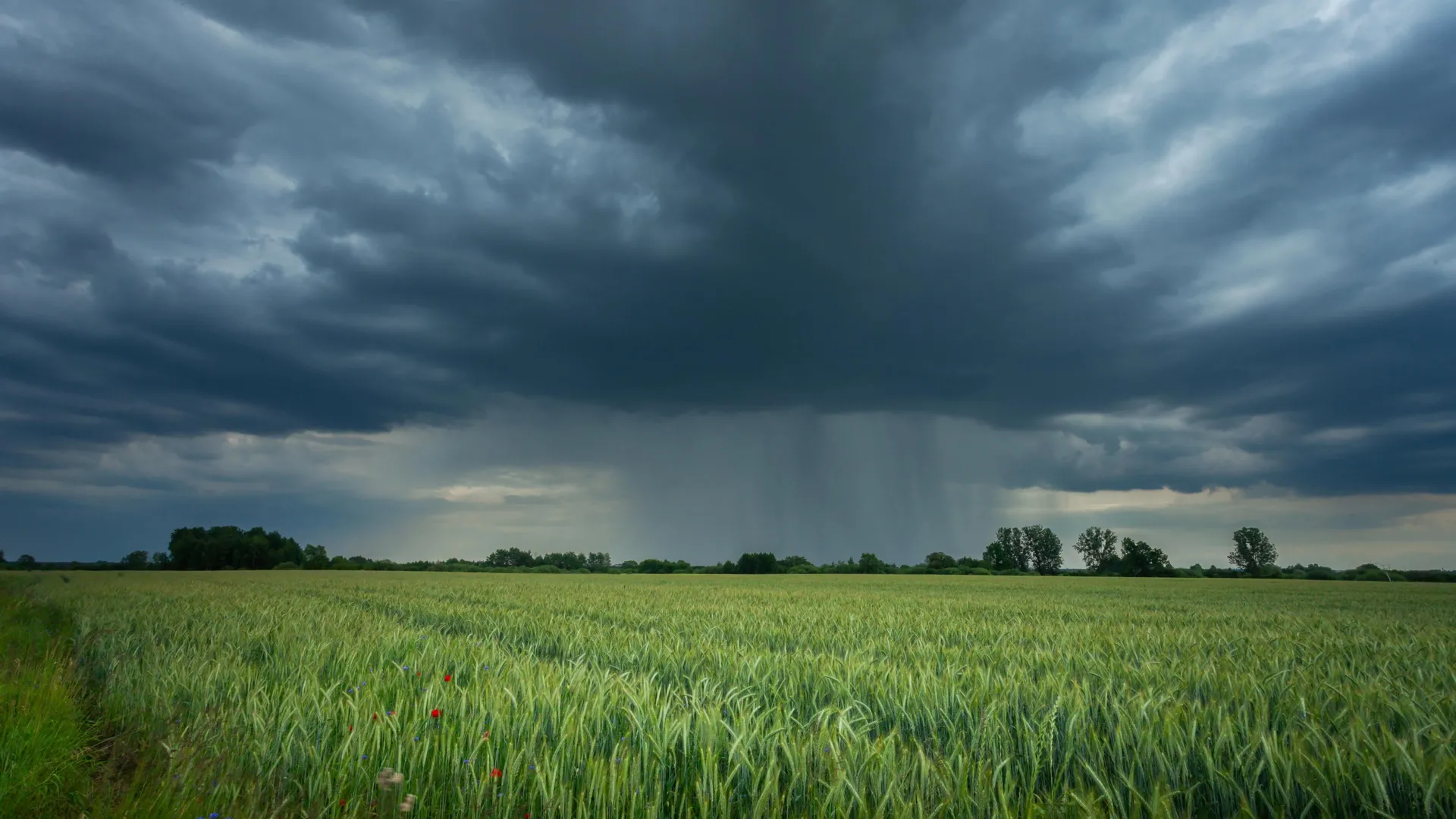
Report on the Influence of Rainfall Origins on Global Crop Stability and Sustainable Development Goals
Introduction
A recent study conducted by the University of California San Diego has identified a critical factor affecting global crop stability: the original source of rainfall. Published in Nature Sustainability, this research traces atmospheric moisture back to its evaporation source, whether oceanic or terrestrial, highlighting significant implications for drought risk, agricultural productivity, and the achievement of Sustainable Development Goals (SDGs).
Understanding Rainfall Origins and Their Impact
Rainfall originates from water vapor evaporated either from oceans or land surfaces such as soil, lakes, and forests. Ocean-derived moisture travels across continents via large weather systems including atmospheric rivers, monsoons, and tropical storms. Conversely, land-derived moisture, often termed recycled rainfall, arises from evaporation of nearby soils and vegetation, fueling localized storms.
The study emphasizes that the ratio of ocean to land moisture strongly influences regional drought risk and crop yields, directly impacting SDG 2 (Zero Hunger), SDG 6 (Clean Water and Sanitation), and SDG 13 (Climate Action).
Key Findings
- Drought Risk Reframed: Drought risk depends not only on rainfall quantity but also on its origin. Understanding whether rainfall is oceanic or land-based provides new tools for policymakers and farmers to predict and mitigate drought stress.
- Quantification of Moisture Sources: Using nearly 20 years of satellite data, researchers quantified that when over one-third of precipitation originates from land, croplands become significantly more vulnerable to drought, soil moisture decline, and yield reductions.
- Regional Variability: Ocean-driven rainfall systems produce heavier and more consistent precipitation, while land-driven systems yield lighter, less predictable showers, increasing crop vulnerability during critical growth stages.
Regions of Heightened Risk and Sustainable Development Challenges
The U.S. Midwest
- Droughts have increased in frequency and intensity despite the region’s agricultural productivity.
- High reliance on land-sourced moisture creates “rainfall feedback loops,” where drying land reduces evaporation and future rainfall, exacerbating drought conditions.
- Implications for SDG 2 and SDG 13 include the need for improved soil moisture conservation, irrigation efficiency, and strategic planting to enhance drought resilience.
Tropical East Africa
- Rapid cropland expansion and deforestation threaten moisture sources essential for sustaining rainfall.
- Deforestation undermines rainfall generation, posing risks to local food security and SDG 15 (Life on Land).
- Opportunities exist for smarter land management, including forest conservation and vegetation restoration, to protect rainfall and support sustainable agricultural growth.
Role of Forests in Rainfall Generation
Forests and natural ecosystems are vital in maintaining rainfall through evaporation and transpiration processes. Upland forests act as natural rainmakers, releasing water vapor that forms clouds and precipitation over croplands. Protecting these ecosystems aligns with SDG 15 and supports agricultural sustainability under SDG 2.
Advancing Climate-Smart Land and Water Management
The study introduces a framework linking land use, rainfall patterns, and agricultural planning, which is essential for enhancing drought resilience and achieving SDG 13. Additionally, a satellite-based mapping method is proposed to guide investments in:
- Irrigation infrastructure
- Soil water retention techniques
- Forest conservation initiatives
These strategies contribute to SDG 6 and SDG 15 by promoting sustainable water management and ecosystem protection.
Conclusion
This research provides critical insights into the origins of rainfall and their influence on global crop stability, emphasizing the interconnectedness of environmental stewardship and sustainable development. By integrating these findings into policy and agricultural practices, stakeholders can better address drought risks, enhance food security, and support multiple Sustainable Development Goals.
For further details, refer to the full paper: “Crop water origins and hydroclimate vulnerability of global croplands.”
1. Sustainable Development Goals (SDGs) Addressed in the Article
- SDG 2: Zero Hunger
- The article discusses global crop stability, agricultural productivity, and food security risks, directly linking to the goal of ending hunger and ensuring food security.
- SDG 6: Clean Water and Sanitation
- Water availability, soil moisture, and irrigation efficiency are key themes, connecting to sustainable water management and availability.
- SDG 13: Climate Action
- The study addresses drought risk, rainfall patterns, and climate-smart land and water planning, which relate to combating climate change and its impacts.
- SDG 15: Life on Land
- Forest conservation, deforestation impacts, and ecosystem roles in rainfall generation are emphasized, linking to sustainable management of forests and terrestrial ecosystems.
2. Specific Targets Under Those SDGs Identified in the Article
- SDG 2: Zero Hunger
- Target 2.4: By 2030, ensure sustainable food production systems and implement resilient agricultural practices that increase productivity and production.
- Target 2.3: Double the agricultural productivity and incomes of small-scale food producers, particularly through sustainable practices.
- SDG 6: Clean Water and Sanitation
- Target 6.4: Substantially increase water-use efficiency across all sectors and ensure sustainable withdrawals to address water scarcity.
- Target 6.6: Protect and restore water-related ecosystems, including forests and wetlands.
- SDG 13: Climate Action
- Target 13.1: Strengthen resilience and adaptive capacity to climate-related hazards and natural disasters in all countries.
- Target 13.2: Integrate climate change measures into national policies, strategies, and planning.
- SDG 15: Life on Land
- Target 15.1: Ensure the conservation, restoration, and sustainable use of terrestrial and inland freshwater ecosystems and their services.
- Target 15.2: Promote the implementation of sustainable management of all types of forests and halt deforestation.
3. Indicators Mentioned or Implied in the Article to Measure Progress
- Crop Yield and Agricultural Productivity
- Measured by changes in crop yields and productivity linked to rainfall origin and drought risk.
- Drought Frequency and Intensity
- Indicators related to the frequency and severity of droughts, especially in regions like the U.S. Midwest and East Africa.
- Soil Moisture Levels
- Soil moisture content as a measure of water availability for crops and drought vulnerability.
- Forest Cover and Deforestation Rates
- Extent of forested areas and rates of deforestation impacting rainfall generation and ecosystem health.
- Water Use Efficiency and Irrigation Metrics
- Efficiency of irrigation systems and water retention methods to support sustainable agriculture.
- Rainfall Origin and Patterns
- Satellite-based measurements tracking the proportion of rainfall originating from oceanic versus land sources.
4. Table of SDGs, Targets, and Indicators
| SDGs | Targets | Indicators |
|---|---|---|
| SDG 2: Zero Hunger |
|
|
| SDG 6: Clean Water and Sanitation |
|
|
| SDG 13: Climate Action |
|
|
| SDG 15: Life on Land |
|
|
Source: sciencedaily.com
What is Your Reaction?
 Like
0
Like
0
 Dislike
0
Dislike
0
 Love
0
Love
0
 Funny
0
Funny
0
 Angry
0
Angry
0
 Sad
0
Sad
0
 Wow
0
Wow
0