




































Sri Lanka: UN Finds Systemic Sexual Violence During Civil War – Human Rights Watch
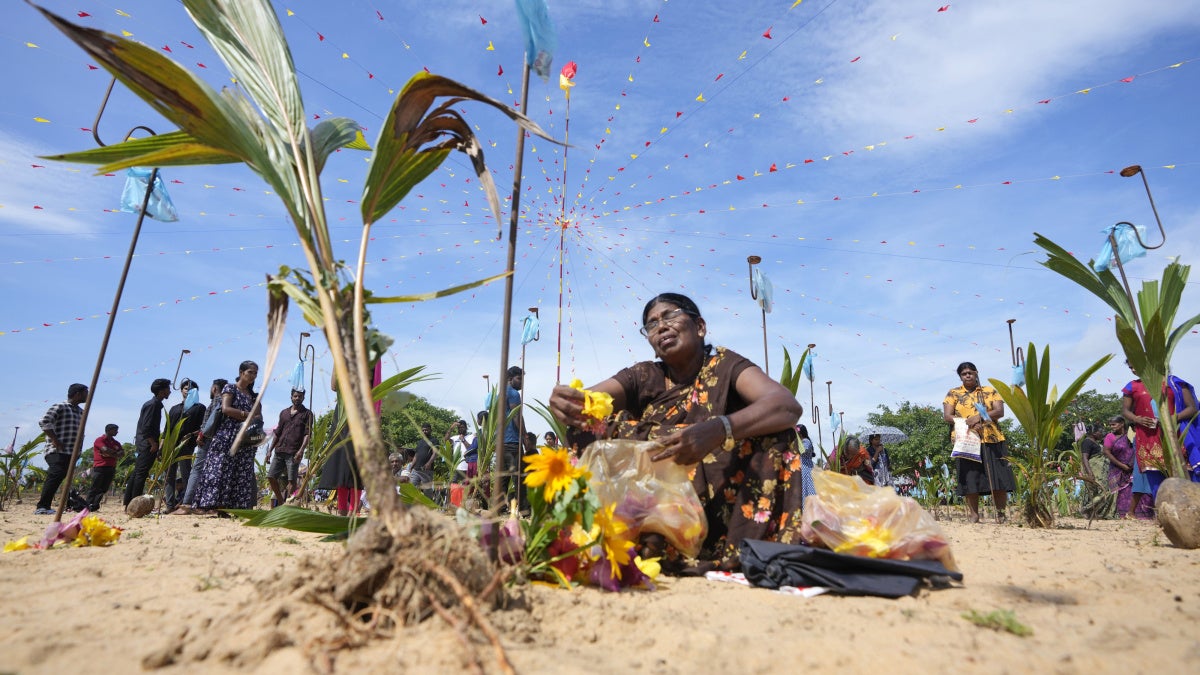
UN Report Highlights Sexual Violence in Sri Lanka’s Civil War: A Call for Accountability and Sustainable Development
Introduction
On January 13, 2026, the United Nations released a comprehensive report detailing sexual violence committed during Sri Lanka’s civil war. The report identifies these acts as part of a deliberate, widespread, and systemic pattern by state security forces, potentially constituting war crimes and crimes against humanity. This report underscores the urgent need for justice and relief for survivors, aligning with multiple Sustainable Development Goals (SDGs), particularly SDG 5 (Gender Equality), SDG 16 (Peace, Justice and Strong Institutions), and SDG 3 (Good Health and Well-being).
Key Findings of the UN Report
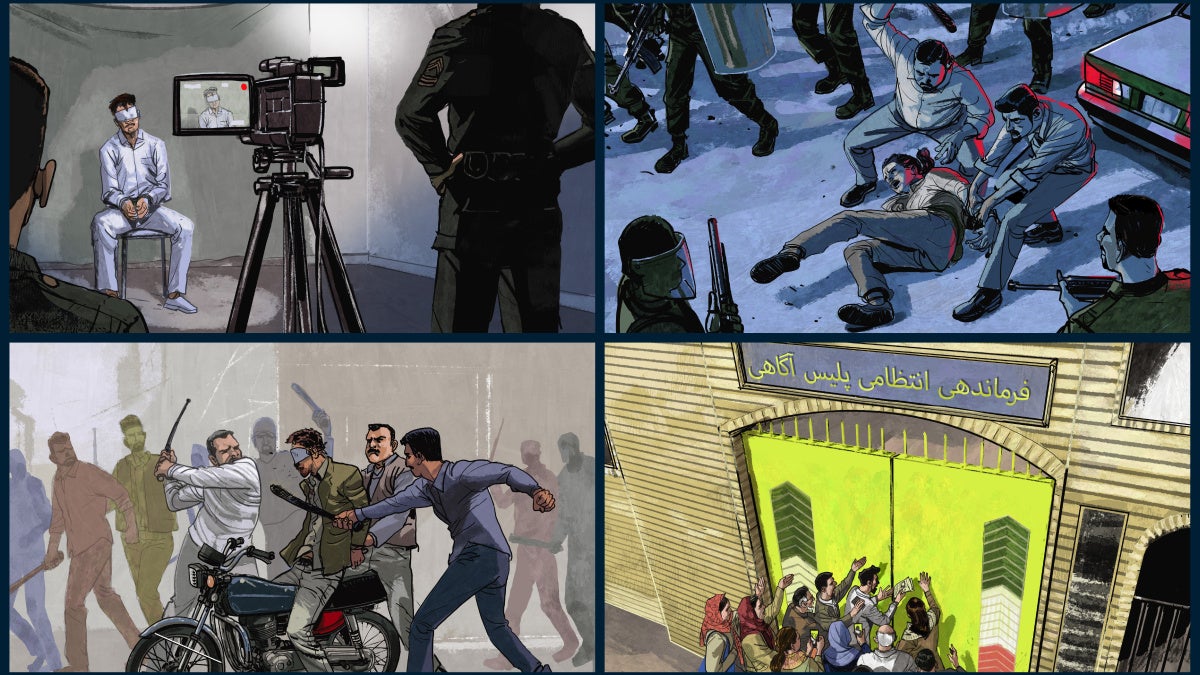
- Systematic Sexual Violence: Sexual violence was institutionalized and used strategically to intimidate, dominate, and instill fear in Tamil communities, primarily in state-run detention facilities.
- Victims Include Both Women and Men: Men were as likely as women to be victims, though stigma made male survivor engagement challenging.
- Lasting Impact on Survivors: Survivors suffer from long-term medical issues and social stigma, with no clear path to justice or restoration.
- Post-Conflict Violence and Intimidation: Sexual violence continues in post-conflict Sri Lanka, with survivors facing ongoing surveillance and intimidation.
- Legal and Institutional Barriers: A 20-year statute of limitations and non-recognition of male rape in Sri Lankan law hinder justice. Survivors often face humiliation and intimidation when seeking help.
Challenges to Accountability and Justice
- Successive Sri Lankan governments have failed to credibly investigate or prosecute international crimes related to the civil war.
- The current government, despite promises to deliver justice, has made no significant progress.
- International partners have expressed concern but taken limited meaningful action to facilitate accountability.
- The Office for Reparations Act (2018) has not resulted in concrete reparations or gender-disaggregated data.
Recommendations and the Role of Sustainable Development Goals (SDGs)
The report’s findings and recommendations emphasize the importance of integrating Sustainable Development Goals into the response framework:
1. Promote Gender Equality and Women’s Rights (SDG 5)
- Address sexual violence against all genders, recognizing the unique challenges faced by male survivors.
- Implement international women’s rights standards, including the Convention on the Elimination of All Forms of Discrimination against Women and the UN Women, Peace and Security agenda.
2. Ensure Peace, Justice, and Strong Institutions (SDG 16)
- Hold perpetrators accountable for war crimes and crimes against humanity through credible investigations and prosecutions.
- Support legal processes with international cooperation, including targeted sanctions and universal jurisdiction cases abroad.
- Improve vetting of military personnel involved in peacekeeping missions to prevent future abuses.
3. Promote Good Health and Well-being (SDG 3)
- Develop programs to provide medical treatment and interim relief to survivors.
- Address the social stigma and psychological trauma endured by survivors.
4. Foster Partnerships for the Goals (SDG 17)
- Encourage foreign governments and international organizations to increase support for accountability and survivor assistance.
- Enhance cooperation to ensure reparations and justice are delivered effectively.
Conclusion
The United Nations report on sexual violence in Sri Lanka’s civil war reveals grave violations of human rights and international law. It calls for urgent action from the Sri Lankan government and the international community to uphold survivors’ rights, deliver justice, and promote sustainable development in line with the SDGs. Without accountability and comprehensive support for survivors, Sri Lanka risks perpetuating cycles of violence and injustice, undermining global commitments to peace, equality, and well-being.
1. Sustainable Development Goals (SDGs) Addressed or Connected to the Issues Highlighted in the Article
-
SDG 5: Gender Equality
- The article discusses sexual violence against women and men during Sri Lanka’s civil war, highlighting gender-based violence and discrimination.
- It emphasizes the need for justice and reparations for survivors, which aligns with achieving gender equality and empowering all women and girls.
-
SDG 16: Peace, Justice, and Strong Institutions
- The article focuses on accountability for war crimes and crimes against humanity committed during the conflict.
- It stresses the importance of justice, legal investigations, prosecutions, and institutional reforms to uphold human rights and the rule of law.
-
SDG 3: Good Health and Well-being
- Survivors suffer lasting medical problems and social stigma, indicating the need for health services and psychosocial support.
- The article calls for medical treatment and interim relief for survivors, linking to health and well-being.
-
SDG 10: Reduced Inequalities
- The article highlights discrimination against Tamil communities and survivors of sexual violence, including legal obstacles and social stigma.
- Addressing these inequalities is essential for social inclusion and justice.
2. Specific Targets Under Those SDGs Identified Based on the Article’s Content
-
SDG 5: Gender Equality
- Target 5.2: Eliminate all forms of violence against all women and girls in public and private spheres, including trafficking and sexual and other types of exploitation.
- Target 5.3: Eliminate harmful practices, such as sexual violence and discrimination.
-
SDG 16: Peace, Justice, and Strong Institutions
- Target 16.3: Promote the rule of law at the national and international levels and ensure equal access to justice for all.
- Target 16.6: Develop effective, accountable, and transparent institutions at all levels.
- Target 16.7: Ensure responsive, inclusive, participatory, and representative decision-making.
- Target 16.4: By 2030, significantly reduce illicit financial and arms flows, strengthen the recovery and return of stolen assets, and combat all forms of organized crime (implied through calls for accountability and sanctions).
-
SDG 3: Good Health and Well-being
- Target 3.4: Promote mental health and well-being (addressing lasting medical and psychological harm to survivors).
- Target 3.8: Achieve universal health coverage, including access to quality essential health-care services.
-
SDG 10: Reduced Inequalities
- Target 10.3: Ensure equal opportunity and reduce inequalities of outcome, including by eliminating discriminatory laws and policies.
3. Indicators Mentioned or Implied in the Article to Measure Progress Towards the Identified Targets
-
Indicators Related to SDG 5 (Gender Equality)
- Prevalence of sexual violence cases reported and prosecuted (implied through calls for justice and accountability).
- Number of survivors receiving reparations and medical support (implied by the lack of reparations and medical treatment).
- Disaggregation of data by gender on sexual violence cases (explicitly mentioned as lacking in government statistics).
-
Indicators Related to SDG 16 (Peace, Justice, and Strong Institutions)
- Number of war crimes and crimes against humanity investigations initiated and prosecutions completed.
- Existence and effectiveness of legal frameworks to prosecute sexual violence and war crimes (noting the 20-year statute of limitations and lack of recognition of male rape).
- International cooperation measures such as sanctions, criminal investigations, and universal jurisdiction cases.
- Transparency and accountability measures in government institutions handling justice and reparations.
-
Indicators Related to SDG 3 (Good Health and Well-being)
- Access to medical treatment and psychosocial support for survivors of sexual violence.
- Prevalence of long-term medical and psychological conditions among survivors.
-
Indicators Related to SDG 10 (Reduced Inequalities)
- Legal recognition and protection of all survivors regardless of gender or ethnicity.
- Reduction in social stigma and discrimination against survivors and affected communities.
4. Table of SDGs, Targets, and Indicators
| SDGs | Targets | Indicators |
|---|---|---|
| SDG 5: Gender Equality |
|
|
| SDG 16: Peace, Justice, and Strong Institutions |
|
|
| SDG 3: Good Health and Well-being |
|
|
| SDG 10: Reduced Inequalities |
|
|
Source: hrw.org
What is Your Reaction?
 Like
0
Like
0
 Dislike
0
Dislike
0
 Love
0
Love
0
 Funny
0
Funny
0
 Angry
0
Angry
0
 Sad
0
Sad
0
 Wow
0
Wow
0