




































Teen suicides prompt mental health overhaul at Korea’s schools – The Korea Herald
South Korea Implements Comprehensive Plan to Strengthen Student Mental Health Support
Rising Concern Over Teenage Suicide Rates
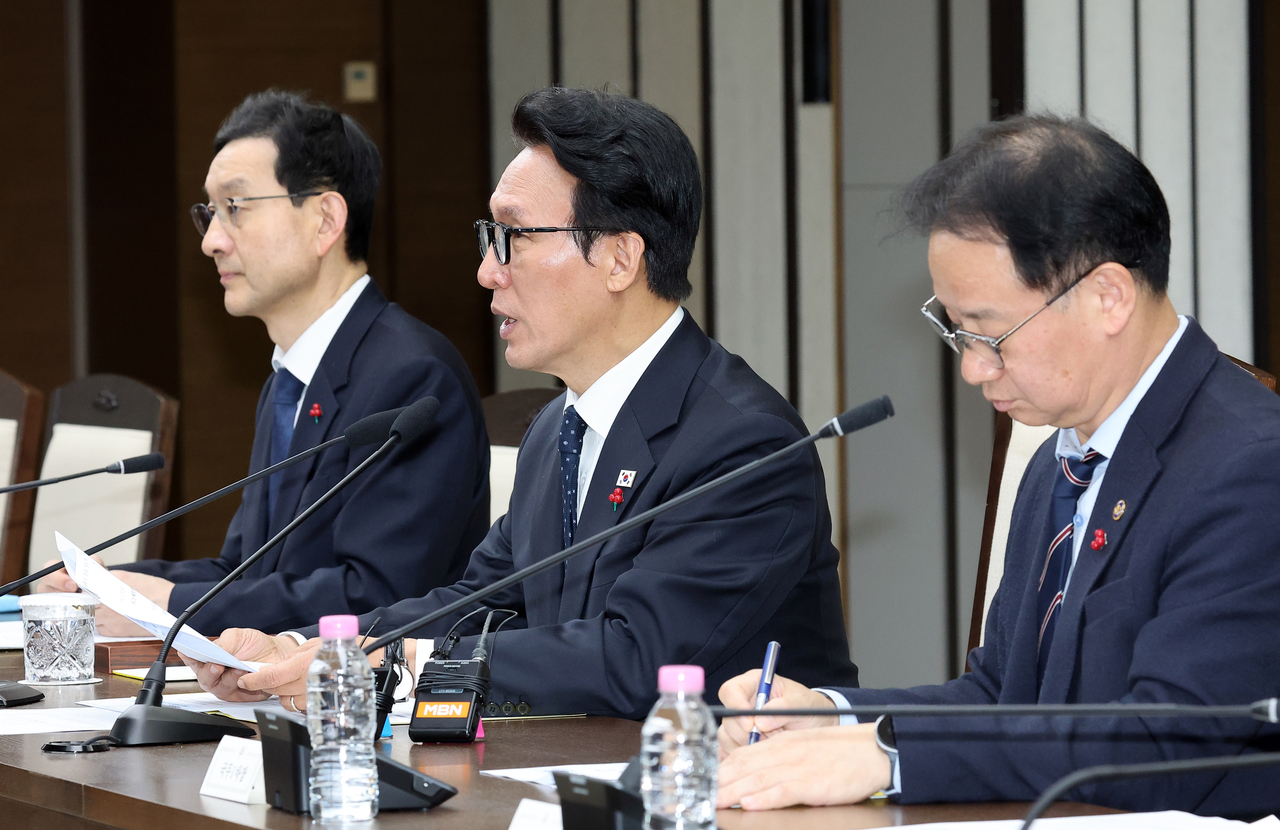
South Korea’s education authorities announced a comprehensive plan on Tuesday aimed at enhancing mental health support for students, in response to a troubling increase in teenage suicides over the past four years. This initiative aligns closely with the United Nations Sustainable Development Goals (SDGs), particularly SDG 3: Good Health and Well-being, by prioritizing mental health and well-being among young populations.
Current Statistics on Teenage Suicide
- Reported teenage suicides rose from 197 cases in 2021 to 221 cases in 2024.
- The Seoul metropolitan area accounted for 118 cases, representing more than half of the total in 2024.
- South Gyeongsang Province and Daegu reported 20 and 15 cases respectively, while other regions each reported fewer than 10 cases.
Key Components of the Mental Health Support Plan
The Ministry of Education’s plan seeks to address existing gaps in mental health policies by focusing on early intervention, improved access to treatment, and sustained follow-up care. This approach supports SDG 4: Quality Education, by fostering a safe and supportive learning environment.
- Deployment of Mental Health Professionals: By 2030, mental health experts will be assigned to all 176 local education support offices nationwide.
- Expansion of Emergency Response Teams: The number of Mental Health Expert Emergency Response Teams will increase from 56 to 100.
- Training Programs: The ministry will train 200 mental health experts annually through workshops and professional development initiatives.
- Financial Support Enhancements: The Student Mental Health Voucher program will be expanded to cover counseling sessions with external mental health professionals.
- Budget Allocation: A dedicated budget item for student mental health support will be established within local education grants starting in 2026.
Community and Technological Support Measures
- Volunteer Mobilization: Retired teachers, social workers, parents, and university students will assist students returning to school after treatment to facilitate their reintegration.
- Enhanced Counseling Services: The 24-hour text-based counseling service “Dadeureojulgae” will be expanded to include phone counseling for students and parents.
- Online Counseling Platform: The Lime platform, developed in partnership with Samsung Financial Networks and Lifeline Korea, will be promoted to provide accessible mental health support anytime and anywhere.
- Integrated Counseling Records: Standardized counseling records will be incorporated into an information system to ensure continuity of care during school transfers or educational advancement.
Preventive Education and Research Initiatives
- Increased Social and Emotional Learning: Sessions will increase from six to 17 times annually to better equip students with coping skills.
- Expanded Screening: Enhanced screening tests will identify students at risk earlier.
- Nationwide Survey: A survey will be conducted to identify factors negatively impacting student mental health.
- Psychological Autopsies: Expert-led investigations into student suicide cases will be improved to inform prevention strategies.
Legislative and Policy Development
The ministry plans to pursue the enactment of a new law that will:
- Define the responsibilities of central and local governments in student mental health.
- Standardize social and emotional learning curricula and support personnel systems.
- Mandate nationwide surveys and unify counseling frameworks.
Official Statement and Commitment
Education Minister Choi Kyo-jin emphasized that student mental health is a critical social challenge rather than an individual issue. He stated, “Through this plan, we aim to build a student-centered support system that spans prevention, intervention, and recovery,” affirming the government’s commitment to ensuring no student is left isolated due to psychological distress.
Support Resources
If you or someone you know is considering self-harm or suicide, please contact the Ministry of Health and Welfare’s helpline at 109, available 24 hours a day, 7 days a week. English-language services are available upon request with a translator.
1. Sustainable Development Goals (SDGs) Addressed in the Article
- SDG 3: Good Health and Well-being
- The article focuses on mental health support for students, suicide prevention, and psychological well-being, directly relating to SDG 3 which aims to ensure healthy lives and promote well-being for all ages.
- SDG 4: Quality Education
- The article discusses strengthening student mental health support within the education system, including counseling services and social and emotional learning, which ties into SDG 4’s goal of inclusive and equitable quality education.
- SDG 16: Peace, Justice and Strong Institutions
- The article mentions the enactment of new laws and government responsibilities for mental health support, linking to SDG 16’s focus on effective, accountable institutions and inclusive decision-making.
2. Specific Targets Under Those SDGs Identified in the Article
- SDG 3 Targets
- Target 3.4: By 2030, reduce by one third premature mortality from non-communicable diseases through prevention and treatment and promote mental health and well-being.
- Target 3.8: Achieve universal health coverage, including financial risk protection and access to quality essential health-care services and medicines.
- SDG 4 Targets
- Target 4.2: Ensure that all girls and boys have access to quality early childhood development, care and pre-primary education so that they are ready for primary education (implied through early intervention and support).
- Target 4.7: Ensure that all learners acquire knowledge and skills needed to promote sustainable development, including through education for sustainable lifestyles, human rights, gender equality, and promotion of a culture of peace and non-violence (related to social and emotional learning sessions).
- SDG 16 Targets
- Target 16.6: Develop effective, accountable and transparent institutions at all levels (related to the enactment of laws and standardization of counseling frameworks).
- Target 16.7: Ensure responsive, inclusive, participatory and representative decision-making at all levels (implied by government and community involvement in mental health support).
3. Indicators Mentioned or Implied in the Article to Measure Progress
- Suicide Rates Among Teenagers
- Reported teenage suicide cases increasing from 197 in 2021 to 221 in 2024 provide a quantitative indicator to monitor progress towards reducing suicide rates (SDG 3.4).
- Number of Mental Health Professionals Deployed
- Deployment of mental health professionals to 176 local education support offices by 2030 and expansion of Mental Health Expert Emergency Response Teams from 56 to 100 serve as indicators of increased mental health service capacity (SDG 3.8).
- Access to Counseling Services
- Expansion of 24-hour text and phone counseling services and promotion of online counseling platforms indicate improved accessibility to mental health support.
- Standardization and integration of counseling records into an information system imply monitoring continuity of care.
- Frequency of Social and Emotional Learning Sessions
- Increase from six to 17 sessions per year can be used to measure enhancement in preventive education (SDG 4.7).
- Training of Mental Health Experts
- Annual training of 200 mental health experts through workshops and professional development programs as an indicator of capacity building.
- Implementation of Nationwide Surveys and Psychological Autopsies
- Introduction of surveys and expert-led investigations into suicide cases serve as qualitative indicators for understanding and addressing root causes.
4. Table: SDGs, Targets and Indicators
| SDGs | Targets | Indicators |
|---|---|---|
| SDG 3: Good Health and Well-being |
|
|
| SDG 4: Quality Education |
|
|
| SDG 16: Peace, Justice and Strong Institutions |
|
|
Source: koreaherald.com
What is Your Reaction?
 Like
0
Like
0
 Dislike
0
Dislike
0
 Love
0
Love
0
 Funny
0
Funny
0
 Angry
0
Angry
0
 Sad
0
Sad
0
 Wow
0
Wow
0