















































;Resize=620#)










The Black Splash – Deccan Chronicle
Report on Black Alkaline Water: A Wellness Trend Analyzed Through the Lens of Sustainable Development Goals
Introduction: The Emergence of a Niche Beverage
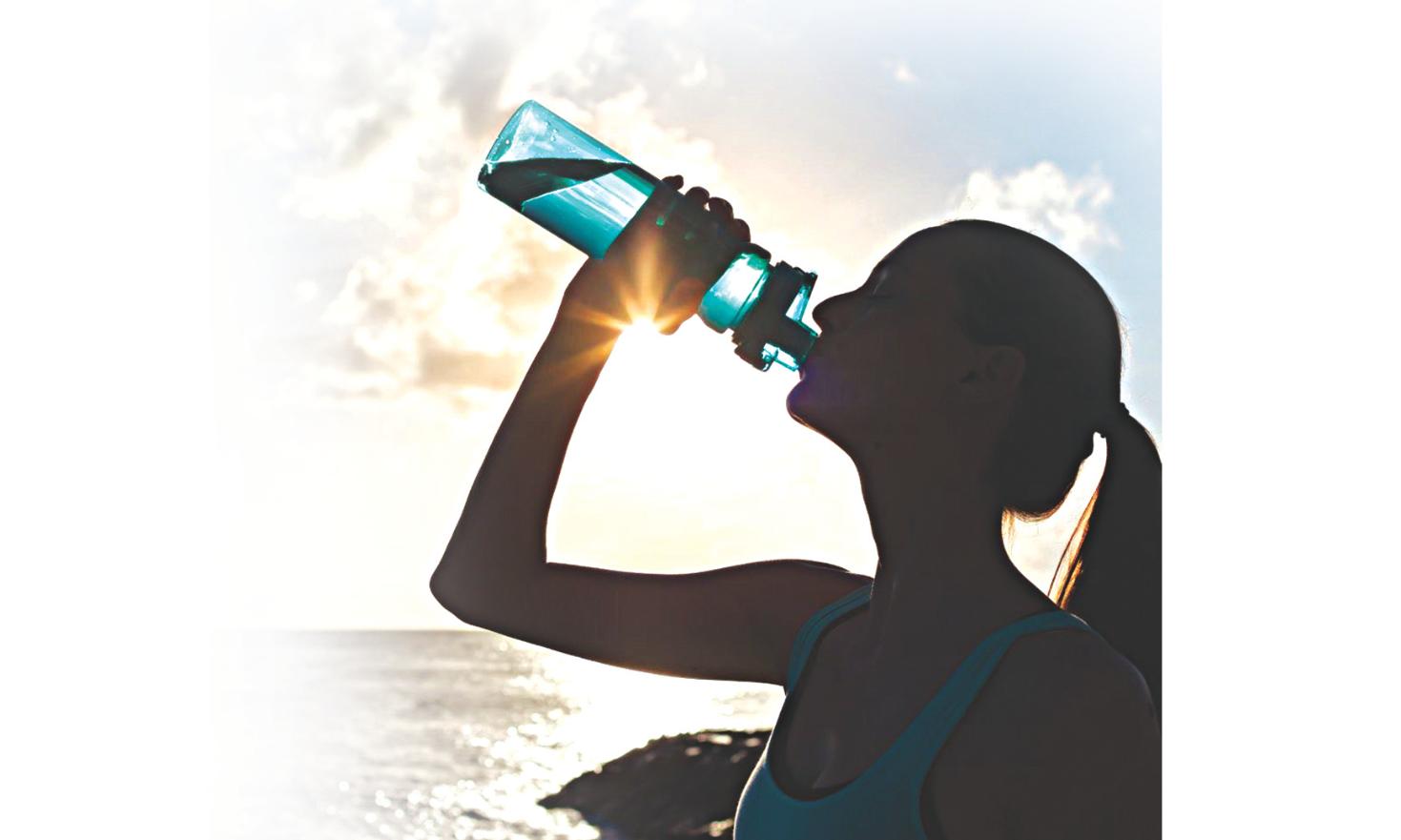
A new product, black alkaline water, has entered the wellness market, positioned as a premium hydration solution. This beverage consists of water with an elevated pH level (typically 8-9), infused with fulvic minerals derived from decomposed organic matter. These minerals impart a distinctive black color and are marketed as providing enhanced health benefits over standard water. The product’s rise is fueled by sophisticated branding, minimalist packaging, and influencer marketing, positioning it as a lifestyle accessory rather than a basic necessity. This report analyzes the trend’s alignment with key United Nations Sustainable Development Goals (SDGs), particularly those concerning health, water access, and responsible consumption.
Analysis in the Context of Sustainable Development Goals (SDGs)
SDG 3: Good Health and Well-being
Black alkaline water is primarily marketed on a platform of enhanced health and well-being, directly invoking the principles of SDG 3. However, the claims and the scientific evidence present a complex picture.
- Marketed Health Claims: Proponents and brands claim the product offers several benefits, including:
- Detoxification of the body.
- Neutralization of internal acidity caused by modern diets.
- Improved nutrient absorption and gut health due to fulvic compounds.
- Increased energy levels and improved metabolism.
- Scientific and Nutritional Perspective: The scientific community remains skeptical of many of these claims. Medical experts note that the human body, particularly the kidneys and lungs, naturally and effectively regulates its pH levels. While the antioxidant properties of fulvic acid are acknowledged, the concentrations in commercially available black water are often minimal and vary significantly between products. The primary benefit derived by consumers is hydration, which can be achieved with regular water. Therefore, while the product does not pose a direct health risk for most, its contribution to well-being beyond basic hydration is not substantiated by robust scientific evidence.
SDG 6: Clean Water and Sanitation
The proliferation of premium bottled water products like black alkaline water stands in stark contrast to the global challenge articulated in SDG 6, which aims to ensure the availability and sustainable management of water and sanitation for all. This trend highlights a significant global inequity.
- The Disparity of Access: While a segment of the urban population purchases water at a premium price (`100–`150 per bottle) for perceived marginal health benefits, billions worldwide lack access to safe, affordable drinking water. The marketing of water as a luxury good diverts attention and resources from the fundamental human right to clean water.
- Resource Utilization: The production of specialized bottled water is a resource-intensive process. It transforms a basic, life-sustaining resource into a commercial commodity, raising ethical questions about water governance and its role as a shared public good versus a marketable product.
SDG 12: Responsible Consumption and Production
The black alkaline water trend is a case study in consumption patterns that challenge the principles of SDG 12. Its lifecycle, from production to disposal, raises concerns about sustainability.
- Consumption Patterns: The product is marketed as a status symbol, encouraging consumption based on aspirational lifestyle choices rather than need. This promotes a culture of consumerism where basic goods are rebranded as luxury items, driving unnecessary consumption.
- Production and Packaging: The reliance on single-use plastic bottles for packaging contributes directly to plastic pollution, a major environmental concern. The sleek, often matte black, packaging is designed for aesthetic appeal but adds to the environmental burden. The production and transportation of bottled water also have a significant carbon footprint compared to the consumption of local tap water.
- Sustainable Alternatives: Promoting such trends undermines efforts to encourage more sustainable hydration habits, such as using reusable water bottles and consuming safe municipal tap water. The focus on a “fancy” hydration method detracts from the message that the most responsible choice is often the simplest and least resource-intensive one.
Market Dynamics and Conclusion
Market Growth and Consumer Appeal
The global alkaline water market is projected to exceed USD 1 billion, with India’s market share expanding. This growth is driven by effective marketing that links the product to “clean living” and wellness. The appeal is largely emotional, offering consumers a sense of control over their health through a visible and trendy ritual. However, this market growth is predicated on a model that is inconsistent with global sustainability objectives.
Conclusion
Black alkaline water is a wellness trend that, while potentially encouraging hydration, presents a conflict with several core Sustainable Development Goals. Its unsubstantiated health claims fall short of meaningfully contributing to SDG 3 (Good Health and Well-being). More significantly, it highlights the deep inequities in global water access, running counter to the spirit of SDG 6 (Clean Water and Sanitation). Finally, as a resource-intensive, single-use product promoted as a status symbol, it exemplifies the unsustainable patterns of consumption and production that SDG 12 seeks to address. While the product may be a commercial success, its broader impact on public health priorities and environmental sustainability is questionable. A greater focus on promoting safe public water infrastructure and sustainable hydration practices is essential for achieving global development goals.
1. Which SDGs are addressed or connected to the issues highlighted in the article?
-
SDG 3: Good Health and Well-being
The article revolves around a wellness product, “black alkaline water,” which is marketed with claims of improving health by detoxifying, balancing acidity, improving gut health, and boosting energy. It discusses the intersection of consumer health choices, diet, and the influence of marketing on well-being.
-
SDG 6: Clean Water and Sanitation
The product is a form of bottled drinking water. The article touches upon the evolution of water from a “basic, utilitarian resource” to a commodified luxury item. It also highlights a growing consumer awareness of water quality, including “pH levels and mineral content,” which relates to the broader goal of safe drinking water.
-
SDG 12: Responsible Consumption and Production
This goal is central to the article, which describes a consumption trend driven by “wellness marketing,” “celebrity endorsements,” and “influencer appeal.” The discussion about the product’s high price, sleek packaging, and status as a “lifestyle symbol” points directly to patterns of modern consumption. The article also contrasts marketing claims with scientific evidence, addressing the need for informed consumer choices.
2. What specific targets under those SDGs can be identified based on the article’s content?
-
SDG 3: Good Health and Well-being
- Target 3.4: Reduce by one-third premature mortality from non-communicable diseases through prevention and treatment and promote mental health and well-being. The article connects to this target through its discussion of lifestyle choices aimed at prevention. The dietitian notes that if the trend helps consumers “ditch sugary drinks and sodas, that’s progress,” directly linking the product to the prevention of health issues associated with high sugar intake.
-
SDG 6: Clean Water and Sanitation
- Target 6.1: By 2030, achieve universal and equitable access to safe and affordable drinking water for all. The article provides a counterpoint to this target by highlighting a product that is explicitly not affordable for all, priced at “₹100–₹150 a bottle.” This illustrates the commodification of water as a “bottled luxury” and a “status symbol,” which contrasts with the goal of equitable and affordable access.
-
SDG 12: Responsible Consumption and Production
- Target 12.8: By 2030, ensure that people everywhere have the relevant information and awareness for sustainable development and lifestyles. The article directly engages with this target by questioning the marketing claims of black alkaline water. It presents skepticism from health professionals like Dr. Aditi Nair, who states that “the benefits aren’t as dramatic as they’re made to sound” and that “studies on alkaline water’s health impact are limited.” This highlights the gap between marketing and factual information available to consumers.
3. Are there any indicators mentioned or implied in the article that can be used to measure progress towards the identified targets?
-
For Target 3.4 (Good Health and Well-being):
- Implied Indicator: Reduction in consumption of sugar-sweetened beverages. The article suggests that a positive outcome of this trend is that it encourages consumers to replace “sugary drinks and sodas” with water, which can be measured as a positive shift in dietary habits.
-
For Target 6.1 (Clean Water and Sanitation):
- Mentioned Indicator: The price of drinking water. The article explicitly states the price of “₹100–₹150 a bottle,” which serves as a direct indicator of the affordability (or lack thereof) of certain drinking water products in the market.
- Implied Indicator: Public awareness of water quality. The statement, “Ten years ago, people barely cared about water quality. Today, people discuss pH levels and mineral content,” implies an increase in consumer awareness and engagement regarding the characteristics of their drinking water.
-
For Target 12.8 (Responsible Consumption and Production):
- Implied Indicator: Consumer reliance on marketing and social media for health information. The article notes that the trend is “fuelled by wellness marketing and influencer appeal” and that consumers buy it after “seeing it on social media.” This indicates the sources of information that shape consumption patterns.
- Implied Indicator: Availability of independent scientific information on consumer products. The article’s reference to the limited scientific studies and the inclusion of expert opinions from a dietitian and a nutritionist point to the need for accessible, science-backed information to counterbalance marketing claims.
4. Table of SDGs, Targets, and Indicators
| SDGs | Targets | Indicators |
|---|---|---|
| SDG 3: Good Health and Well-being | Target 3.4: Reduce mortality from non-communicable diseases through prevention and promote well-being. | Implied: Rate of consumption of sugary drinks versus healthier alternatives like water. |
| SDG 6: Clean Water and Sanitation | Target 6.1: Achieve universal and equitable access to safe and affordable drinking water. | Mentioned: Price of bottled water (e.g., ₹100–₹150 per bottle) as a measure of affordability. Implied: Level of public awareness and discussion about water quality parameters (e.g., pH, mineral content). |
| SDG 12: Responsible Consumption and Production | Target 12.8: Ensure people have relevant information and awareness for sustainable lifestyles. | Implied: The influence of social media and marketing on consumer health choices. Implied: The gap between marketing claims and available scientific evidence for wellness products. |
Source: deccanchronicle.com
What is Your Reaction?
 Like
0
Like
0
 Dislike
0
Dislike
0
 Love
0
Love
0
 Funny
0
Funny
0
 Angry
0
Angry
0
 Sad
0
Sad
0
 Wow
0
Wow
0