
























































Trump vetoes bipartisan bill aimed at bringing ‘clean, reliable’ drinking water to SE Colorado – Denver7

Report on the Veto of the Finish the Arkansas Valley Conduit Act and Its Implications for Sustainable Development Goals
Introduction
President Donald Trump has vetoed the Finish the Arkansas Valley Conduit Act, a bipartisan bill designed to provide reliable and clean drinking water to rural communities in southeastern Colorado. This veto marks the first of his second term and has significant implications for sustainable development, particularly in relation to the United Nations Sustainable Development Goals (SDGs).
Background of the Arkansas Valley Conduit Project
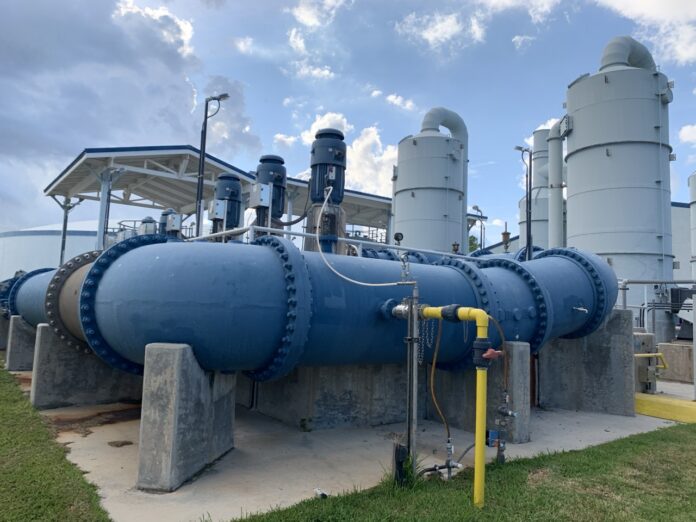
- The Arkansas Valley Conduit is a 130-mile pipeline intended to deliver filtered water from the Pueblo Reservoir to 39 communities in Colorado.
- Originally approved in 1962 as part of the Fryingpan-Arkansas Project, the pipeline was delayed due to financial constraints faced by local users.
- In 2009, funding was structured to be 65% federal and 35% local, with local costs repayable over 50 years post-completion.
- The bill sought to extend the repayment period to 75 years and reduce interest rates to ease financial burdens on poorer counties.
Emphasis on Sustainable Development Goals (SDGs)
The Arkansas Valley Conduit project aligns with several SDGs, including:
- SDG 6: Clean Water and Sanitation – The project aims to provide safe, clean drinking water, addressing contamination issues such as salinity and radionuclides affecting groundwater.
- SDG 1: No Poverty – By reducing financial burdens on economically disadvantaged counties, the project supports poverty alleviation.
- SDG 3: Good Health and Well-being – Access to non-carcinogenic, safe drinking water promotes public health.
- SDG 10: Reduced Inequalities – The project targets underserved rural communities, promoting equitable access to essential resources.
Details of the Veto and Stakeholder Responses
- President’s Position: The veto was justified by concerns over increased federal taxpayer costs, estimated at $1.3 billion, and opposition to extended repayment terms and lower interest rates.
- Local and Expert Opinions:
- Christine Arbogast, federal lobbyist for the Southeastern Colorado Water Conservancy District, emphasized the necessity of affordable payments for poorer counties and disputed claims of cost overruns.
- James Eklund, water law attorney, highlighted the project’s critical role in delivering clean water to underserved populations and criticized the veto as a setback to progress.
- Political Reactions:
- Congresswoman Lauren Boebert expressed disappointment and vowed to continue fighting for the project.
- Senator John Hickenlooper accused the president of partisan retaliation harming rural communities.
Impact on Sustainable Development and Future Prospects
The veto poses challenges to achieving SDG targets related to clean water access and poverty reduction in southeastern Colorado. However, stakeholders remain committed to advancing the project.
Key Points on Impact and Next Steps
- The veto increases the financial burden on local counties responsible for 35% of construction costs.
- Construction of the pipeline is not halted but faces funding and timeline uncertainties.
- Potential override votes in Congress could reverse the veto.
- State and federal leaders are urged to develop innovative solutions to water scarcity and infrastructure challenges.
- Emphasis on bipartisan cooperation is critical to overcoming political obstacles and ensuring progress toward SDGs.
Conclusion
The Arkansas Valley Conduit project represents a vital initiative to provide clean, safe drinking water to rural communities, directly supporting multiple Sustainable Development Goals. Despite the presidential veto, continued advocacy and strategic policymaking are essential to realize the project’s benefits and promote equitable, sustainable development in Colorado.
1. Sustainable Development Goals (SDGs) Addressed or Connected
- SDG 6: Clean Water and Sanitation
- The article focuses on providing reliable, clean drinking water to rural communities in southeastern Colorado, directly addressing the goal of ensuring availability and sustainable management of water and sanitation for all.
- SDG 1: No Poverty
- The article highlights the financial burden on some of the poorest counties in Colorado to repay pipeline construction costs, connecting to the goal of ending poverty in all its forms.
- SDG 10: Reduced Inequalities
- The project aims to serve underserved rural communities, addressing inequalities in access to clean drinking water and infrastructure.
- SDG 11: Sustainable Cities and Communities
- Ensuring safe and sustainable water supply to both rural and urban areas contributes to making communities inclusive, safe, resilient, and sustainable.
2. Specific Targets Under Those SDGs Identified
- SDG 6 Targets
- 6.1: Achieve universal and equitable access to safe and affordable drinking water for all.
- 6.a: Expand international cooperation and capacity-building support to developing countries in water- and sanitation-related activities and programs.
- SDG 1 Targets
- 1.4: Ensure that all men and women, particularly the poor and vulnerable, have equal rights to economic resources, including access to basic services.
- SDG 10 Targets
- 10.2: Empower and promote the social, economic and political inclusion of all, irrespective of age, sex, disability, race, ethnicity, origin, religion or economic or other status.
- SDG 11 Targets
- 11.1: Ensure access for all to adequate, safe and affordable housing and basic services, including water supply.
3. Indicators Mentioned or Implied to Measure Progress
- Indicator for SDG 6.1:
- Proportion of population using safely managed drinking water services. The article implies this by discussing the need for clean, safe, and non-carcinogenic drinking water in rural communities.
- Indicator for SDG 1.4:
- Proportion of population living below the national poverty line with access to basic services. The article mentions the financial burden on poorer counties, implying the need to measure affordability and access.
- Indicator for SDG 10.2:
- Proportion of people living in households with access to basic services, disaggregated by income and location. The article highlights underserved rural communities, implying measurement of inclusion.
- Indicator for SDG 11.1:
- Proportion of urban population living in slums or inadequate housing with access to basic services such as water. The article’s focus on both rural and urban areas needing safe water relates to this indicator.
- Additional Implied Indicators:
- Project completion timeline and cost efficiency (implied by discussion of schedule and cost overruns).
- Number of people served by the pipeline (e.g., 50,000 people mentioned in the article).
4. Table of SDGs, Targets, and Indicators
| SDGs | Targets | Indicators |
|---|---|---|
| SDG 6: Clean Water and Sanitation |
|
|
| SDG 1: No Poverty |
|
|
| SDG 10: Reduced Inequalities |
|
|
| SDG 11: Sustainable Cities and Communities |
|
|
Source: denver7.com
What is Your Reaction?
 Like
0
Like
0
 Dislike
0
Dislike
0
 Love
0
Love
0
 Funny
0
Funny
0
 Angry
0
Angry
0
 Sad
0
Sad
0
 Wow
0
Wow
0