

















Underwater ‘reef music’ could help in coral restoration – CNN
Report on Coral Reef Restoration Efforts in Alignment with Sustainable Development Goals
1.0 Introduction: Threats to Marine Ecosystems and SDG Imperatives
Coral reef ecosystems are facing unprecedented degradation, undermining progress towards key United Nations Sustainable Development Goals (SDGs). The primary threats identified directly contravene the objectives outlined in SDG 14 (Life Below Water) and SDG 13 (Climate Action).
- Warmer Temperatures: Rising sea temperatures, a direct consequence of climate change, lead to coral bleaching, threatening the very existence of these ecosystems and challenging the targets of SDG 13.
- Pollution: Land-based and marine pollution compromises water quality, directly impacting the health of reefs and hindering the achievement of SDG Target 14.1 (reduce marine pollution).
- Overfishing: The depletion of fish populations disrupts the ecological balance of reef systems, working against SDG Target 14.4 (end overfishing and restore fish stocks).
2.0 Innovative Intervention for Ecosystem Revival
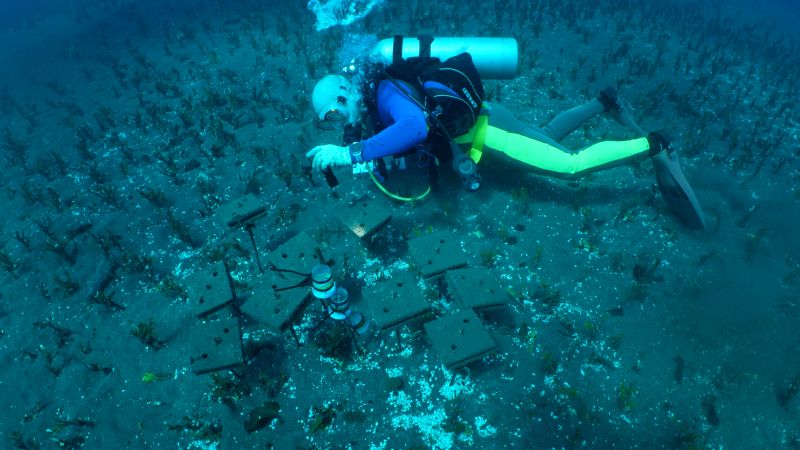
In response to this crisis, a research initiative led by Aran Mooney at the Woods Hole Oceanographic Institution is exploring an innovative solution. The project involves the experimental use of sound as a mechanism to revive and restore degraded coral reefs. This application of scientific innovation aligns with SDG 9 (Industry, Innovation, and Infrastructure), which encourages scientific research and technological capability to address environmental challenges.
3.0 Alignment with Specific Sustainable Development Goals
The research project contributes directly to the achievement of several interconnected SDGs:
- SDG 14: Life Below Water: The primary objective of reviving coral reefs is to conserve and sustainably use marine resources. This effort directly supports Target 14.2, which aims to sustainably manage and protect marine and coastal ecosystems to avoid significant adverse impacts.
- SDG 13: Climate Action: By working to restore coral reefs, the project helps build the resilience of marine ecosystems, a critical component of climate change adaptation and a core goal of SDG 13.
- SDG 17: Partnerships for the Goals: The initiative by the Woods Hole Oceanographic Institution exemplifies a scientific and institutional partnership (Target 17.16 and 17.17) dedicated to developing solutions for sustainable development.
1. Which SDGs are addressed or connected to the issues highlighted in the article?
The article highlights issues that are directly connected to the following Sustainable Development Goals (SDGs):
-
SDG 14: Life Below Water
This is the most prominent SDG addressed. The article’s central theme is the struggle of coral reefs, a critical marine ecosystem. It explicitly mentions threats such as “pollution” and “overfishing,” which are core concerns of SDG 14. The effort to “revive” the reefs aligns with the goal’s aim to conserve and sustainably use the oceans, seas, and marine resources.
-
SDG 13: Climate Action
The article identifies “warmer temperatures” as a key threat to coral reefs. This is a direct consequence of climate change, linking the ecosystem’s health to the urgent need for climate action as outlined in SDG 13.
2. What specific targets under those SDGs can be identified based on the article’s content?
Based on the specific threats and actions mentioned, the following targets can be identified:
-
Targets under SDG 14 (Life Below Water)
- Target 14.1: By 2025, prevent and significantly reduce marine pollution of all kinds. The article’s mention of “pollution” as a threat to coral reefs directly relates to this target.
- Target 14.2: By 2020, sustainably manage and protect marine and coastal ecosystems to avoid significant adverse impacts, including by strengthening their resilience, and take action for their restoration. The description of coral reefs as “struggling” and the scientific experiment to “revive them” directly corresponds to this target’s focus on protection, resilience, and restoration.
- Target 14.4: By 2020, effectively regulate harvesting and end overfishing. The identification of “overfishing” as a major threat connects directly to this target.
- Target 14.a: Increase scientific knowledge, develop research capacity and transfer marine technology… to improve ocean health. The mention of the “team led by Aran Mooney at the Woods Hole Oceanographic Institution… experimenting with sound” is a clear example of research aimed at improving ocean health.
-
Targets under SDG 13 (Climate Action)
- Target 13.1: Strengthen resilience and adaptive capacity to climate-related hazards and natural disasters in all countries. “Warmer temperatures” represent a significant climate-related hazard for marine ecosystems. The struggle of coral reefs highlights their vulnerability and the need to strengthen their resilience, which is the focus of this target.
3. Are there any indicators mentioned or implied in the article that can be used to measure progress towards the identified targets?
The article does not mention explicit quantitative indicators. However, the issues it raises imply the need for specific measurements to track progress:
-
Implied Indicators for SDG 14
- Indicator for Target 14.1 (Pollution): The mention of “pollution” implies the need for indicators that measure the concentration of pollutants in coastal waters or an index of coastal eutrophication.
- Indicator for Target 14.2 (Ecosystem Health): The description of reefs as “struggling” and needing to be “revived” implies an indicator such as the Proportion of live coral cover or an overall Ocean Health Index. The success of the sound experiment would be measured by an increase in reef health.
- Indicator for Target 14.4 (Overfishing): The threat of “overfishing” implies the use of an indicator like the Proportion of fish stocks within biologically sustainable levels.
-
Implied Indicators for SDG 13
- Indicator for Target 13.1 (Climate Hazards): The problem of “warmer temperatures” directly implies an indicator that tracks changes in ocean temperature, such as sea surface temperature anomalies, which measure the impact of this climate-related hazard.
4. SDGs, Targets, and Indicators Analysis
| SDGs | Targets | Indicators (Implied from the article) |
|---|---|---|
| SDG 14: Life Below Water |
14.1: Reduce marine pollution.
14.2: Protect and restore ecosystems. 14.4: End overfishing. 14.a: Increase scientific knowledge and research. |
Level/concentration of marine pollutants.
Proportion of live coral cover; overall reef health. Proportion of fish stocks within biologically sustainable levels. Existence of and investment in marine research projects. |
| SDG 13: Climate Action | 13.1: Strengthen resilience to climate-related hazards. | Measurement of sea surface temperature anomalies. |
Source: cnn.com
What is Your Reaction?
 Like
0
Like
0
 Dislike
0
Dislike
0
 Love
0
Love
0
 Funny
0
Funny
0
 Angry
0
Angry
0
 Sad
0
Sad
0
 Wow
0
Wow
0