


































;Resize=620#)









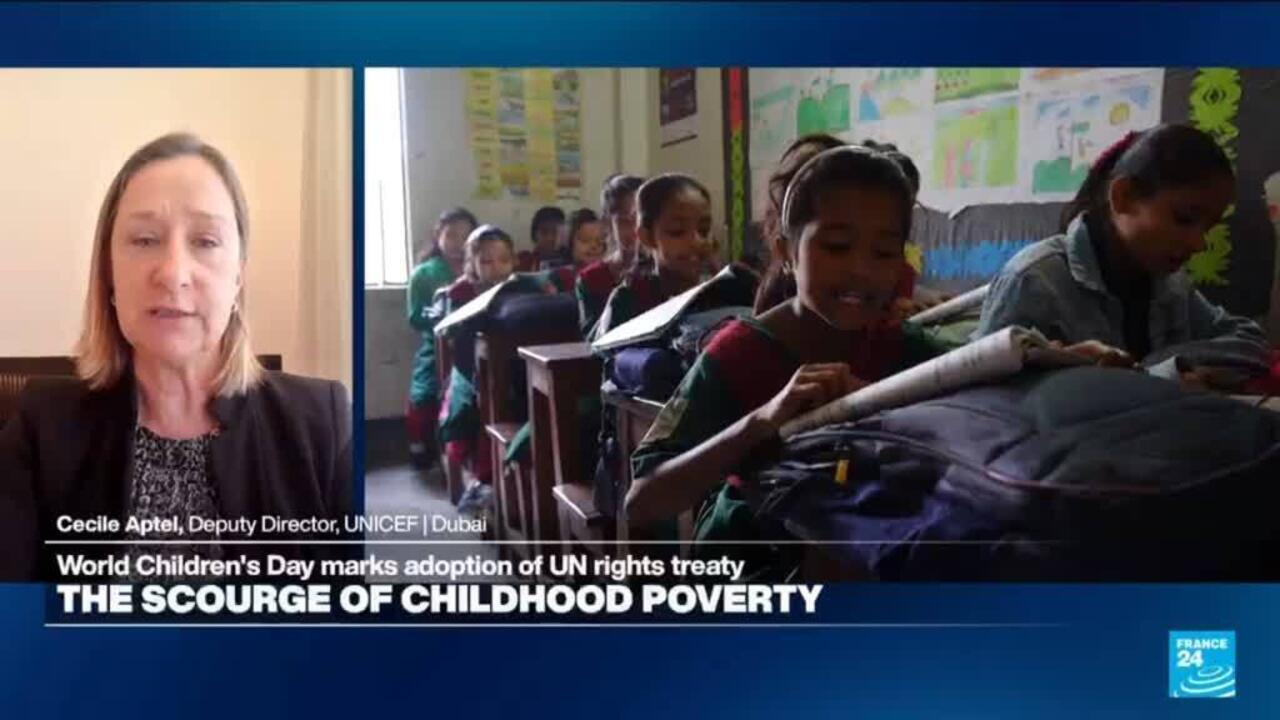
UNICEF: One in five children in low and middle-income countries lack most basic services – France 24
Report on Child Welfare and Sustainable Development Goals
Global Disparities in Child Well-being
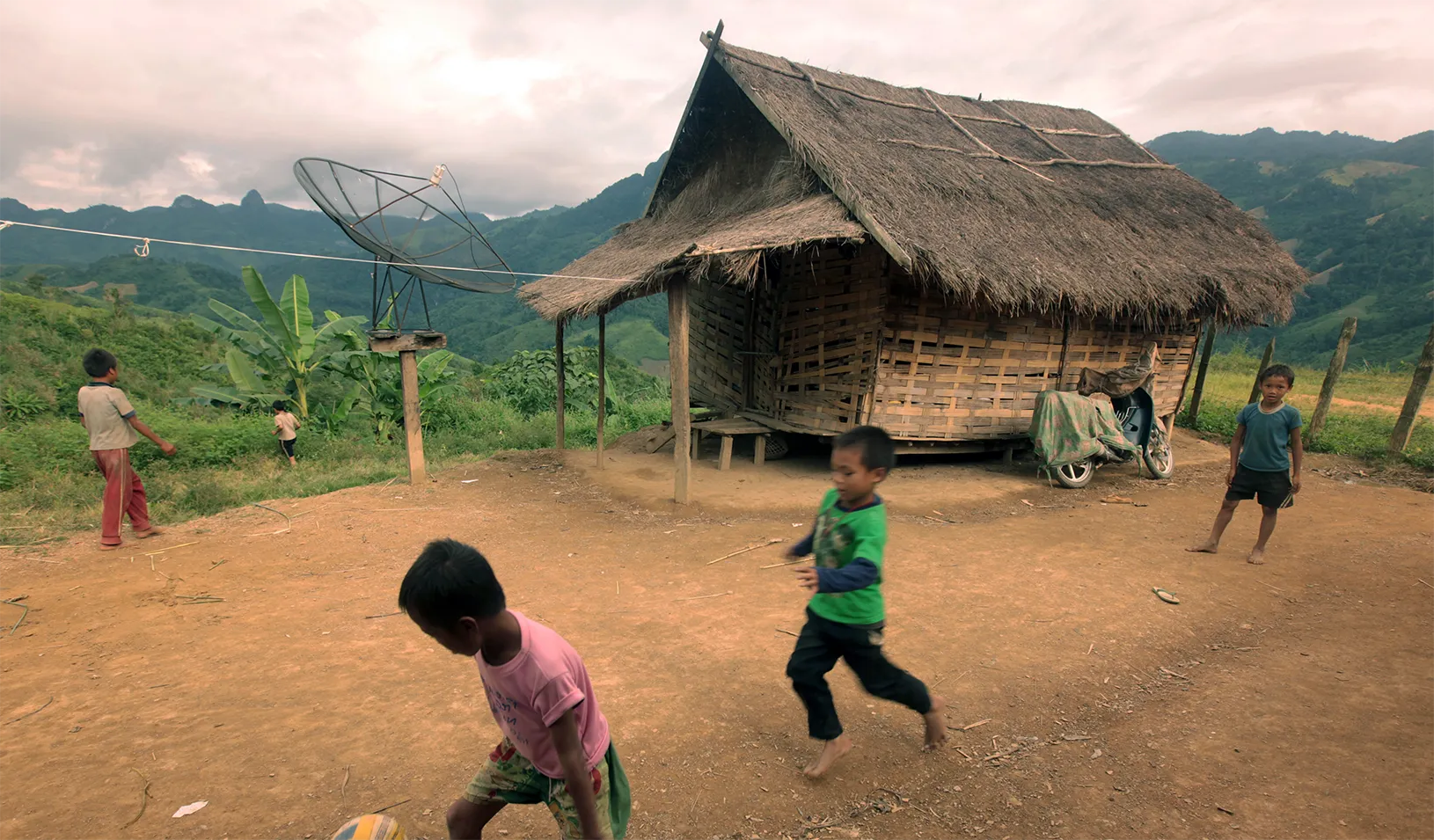
A UNICEF report issued on World Children’s Day highlights significant failures in national and global policies to protect vulnerable children. The findings indicate a persistent gap between progress and the fundamental needs of millions, directly impeding the achievement of multiple Sustainable Development Goals (SDGs).
Challenges in Low- and Middle-Income Countries
An estimated 417 million children in low- and middle-income nations are deprived of basic necessities. This situation presents a direct challenge to the following SDGs:
- SDG 6 (Clean Water and Sanitation): Lack of access to clean water remains a critical issue.
- SDG 3 (Good Health and Well-being): Millions are denied fundamental healthcare services.
- SDG 4 (Quality Education): Access to education is not universally available.
- SDG 2 (Zero Hunger): Inadequate nutrition affects a substantial portion of the child population.
Poverty and Inequality in High-Income Nations
The report underscores that challenges to the SDGs are not confined to developing nations. Even in high-income countries, significant issues persist, particularly concerning SDG 1 (No Poverty) and SDG 10 (Reduced Inequalities).
- Case Study: France
- Official figures show that 2.76 million children currently live in poverty.
- This number constitutes one-tenth of the total child population in France.
Conclusion and Path Forward
The realization of the Sustainable Development Goals related to child welfare is contingent upon decisive action. The report concludes that progress requires:
- Sustained political will from governments worldwide.
- A strong and unified social commitment to prioritize children.
- A collective policy decision to treat the well-being of children as a non-negotiable priority.
1. Which SDGs are addressed or connected to the issues highlighted in the article?
SDG 1: No Poverty
- The article directly addresses child poverty, stating that in France, “2.76 million children live in poverty.” It also calls for a collective decision to put “an end to child poverty.”
SDG 2: Zero Hunger
- The article mentions that “nutrition” is one of the most basic necessities denied to 417 million children in low- and middle-income countries, which is a core component of SDG 2.
SDG 3: Good Health and Well-being
- The lack of “healthcare” for 417 million children is explicitly highlighted as a major issue, directly connecting to the goal of ensuring healthy lives and promoting well-being for all, especially children.
SDG 4: Quality Education
- The article identifies “education” as another basic necessity that millions of children are denied, which is the central focus of SDG 4.
SDG 6: Clean Water and Sanitation
- The denial of “clean water” to 417 million children is mentioned as a critical failure, linking the article’s content directly to SDG 6.
SDG 10: Reduced Inequalities
- The article’s central theme is that “national and global policies too often leave the world’s most vulnerable in the shadows.” This highlights the inequality faced by children, particularly in low- and middle-income countries, which aligns with the goal of reducing inequality within and among countries.
2. What specific targets under those SDGs can be identified based on the article’s content?
SDG 1: No Poverty
- Target 1.2: “By 2030, reduce at least by half the proportion of men, women and children of all ages living in poverty in all its dimensions according to national definitions.” The article’s focus on ending child poverty and its specific mention of 2.76 million children living in poverty in France directly relates to this target.
SDG 2: Zero Hunger
- Target 2.2: “By 2030, end all forms of malnutrition…” The article’s statement that 417 million children are denied “nutrition” points directly to the challenge of malnutrition that this target aims to eliminate.
SDG 3: Good Health and Well-being
- Target 3.8: “Achieve universal health coverage…” The mention of millions of children being denied “healthcare” implies a failure to achieve universal health coverage for this vulnerable group.
SDG 4: Quality Education
- Target 4.1: “By 2030, ensure that all girls and boys complete free, equitable and quality primary and secondary education…” The article’s point that “education” is a denied necessity for millions of children aligns with the goal of universal access to education.
SDG 6: Clean Water and Sanitation
- Target 6.1: “By 2030, achieve universal and equitable access to safe and affordable drinking water for all.” The specific mention of “clean water” being denied to 417 million children directly corresponds to this target.
SDG 10: Reduced Inequalities
- Target 10.2: “By 2030, empower and promote the social, economic and political inclusion of all, irrespective of age…” The article’s core message that policies leave the “world’s most vulnerable in the shadows” addresses the exclusion of children, which this target seeks to remedy.
3. Are there any indicators mentioned or implied in the article that can be used to measure progress towards the identified targets?
For Target 1.2 (No Poverty)
- Indicator Mentioned: The proportion of children living in poverty. The article provides specific data for this indicator in France: “2.76 million children live in poverty: one tenth of France’s child population.”
For Targets 2.2, 3.8, 4.1, and 6.1
- Indicator Implied: The number and proportion of children deprived of basic necessities. The article provides an aggregate figure: “417 million children in low- and middle-income countries are still denied the most basic necessities: clean water, healthcare, education, nutrition.” This single number can be broken down to serve as an implied indicator for each respective target:
- Number of children without access to adequate nutrition.
- Number of children without access to healthcare.
- Number of children without access to education.
- Number of children without access to clean water.
4. SDGs, Targets and Indicators Table
| SDGs, Targets and Indicators |
|---|
| SDGs | Targets | Indicators |
|---|---|---|
| SDG 1: No Poverty | 1.2: Reduce at least by half the proportion of children living in poverty according to national definitions. | Proportion of children living in poverty (e.g., “one tenth of France’s child population”). |
| SDG 2: Zero Hunger | 2.2: End all forms of malnutrition. | Number of children denied basic nutrition (Implied from the “417 million children” figure). |
| SDG 3: Good Health and Well-being | 3.8: Achieve universal health coverage. | Number of children denied access to healthcare (Implied from the “417 million children” figure). |
| SDG 4: Quality Education | 4.1: Ensure that all girls and boys complete free, equitable and quality primary and secondary education. | Number of children denied access to education (Implied from the “417 million children” figure). |
| SDG 6: Clean Water and Sanitation | 6.1: Achieve universal and equitable access to safe and affordable drinking water for all. | Number of children denied access to clean water (Implied from the “417 million children” figure). |
| SDG 10: Reduced Inequalities | 10.2: Empower and promote the social, economic and political inclusion of all, irrespective of age. | Policies that fail to protect the “world’s most vulnerable” children (Qualitative indicator). |
Source: france24.com
What is Your Reaction?
 Like
0
Like
0
 Dislike
0
Dislike
0
 Love
0
Love
0
 Funny
0
Funny
0
 Angry
0
Angry
0
 Sad
0
Sad
0
 Wow
0
Wow
0