
















Vanguard Renewables Opens Second Anaerobic Digestion Facility in Wisconsin – FoodEngineeringMag.com
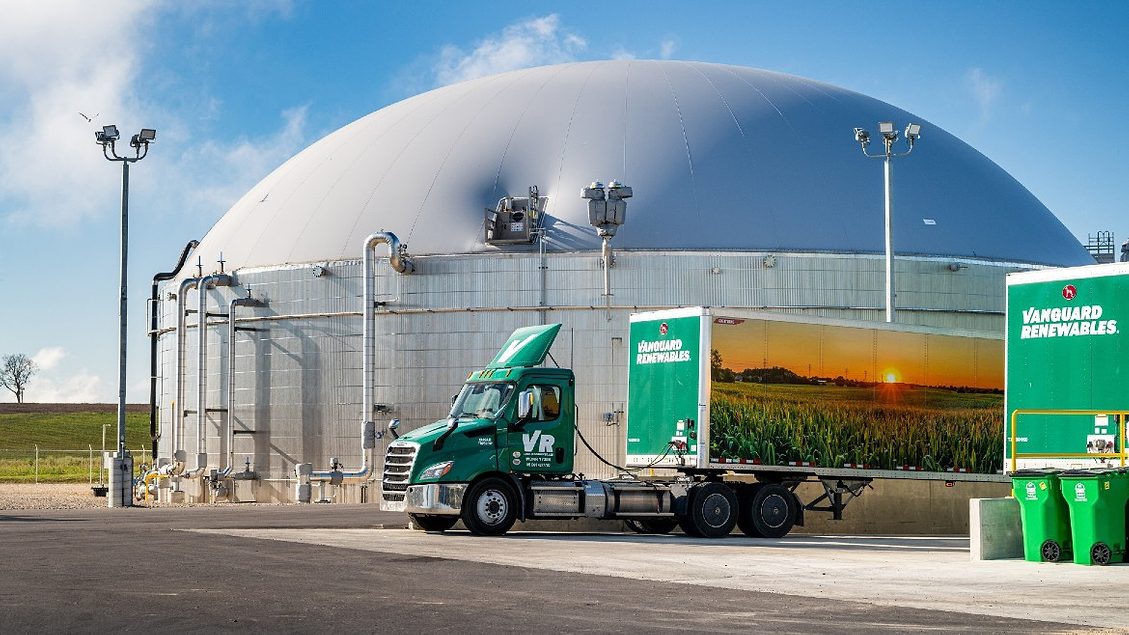
Vanguard Renewables Opens Anaerobic Digestion and Depackaging Facility in River Falls, Wisconsin
Introduction
Vanguard Renewables has inaugurated a new anaerobic digestion and depackaging facility located in River Falls, Wisconsin. This facility aims to support food and beverage manufacturers, retailers, and processors in the Minneapolis-St. Paul region by providing an efficient and sustainable method for recycling food waste.
Addressing Regulatory and Sustainability Challenges
Food and beverage companies in Wisconsin and Minnesota are increasingly facing regulatory pressures to manage organic waste responsibly and recover packaging materials. Both states are implementing policies such as Extended Producer Responsibility (EPR) for packaging and commercial organics diversion requirements. These policies drive demand for solutions that ensure compliance while advancing sustainability goals aligned with the United Nations Sustainable Development Goals (SDGs), particularly:
- SDG 12: Responsible Consumption and Production
- SDG 13: Climate Action
- SDG 7: Affordable and Clean Energy
Turnkey Solutions for Organics Recycling
Kent Bartley, President of Organic Solutions at Vanguard Renewables, highlights the company’s comprehensive approach:
“Vanguard Renewables gives food and beverage companies a turnkey solution to simplify organics recycling and reduce risk. We combine deep industry expertise with full-service capabilities, from managing logistics with our own fleet to providing real-time data for compliance and reporting. Our approach makes organics recycling simple and reliable.”
Facility Capabilities and Impact
- Location and Capacity: Situated at Peterson Family Dairy, a fourth-generation farm in Pierce County, the River Falls facility can process up to 275 tons of food and beverage waste daily.
- Renewable Energy Production: The facility will generate approximately 289,000 MMBtu of renewable natural gas (RNG) annually, sufficient to power 53,000 homes and businesses each year, contributing to SDG 7 (Affordable and Clean Energy) and SDG 13 (Climate Action).
- Client and Waste Stream Diversity: It processes over 50 different waste streams from more than 30 customers in the region, supporting SDG 12 (Responsible Consumption and Production).
- Advanced Technology: The facility employs advanced depackaging technology capable of handling both bulk and packaged food and beverage products, enhancing waste recovery and recycling efficiency.
Partnerships and Regional Expansion
- The renewable natural gas produced will be utilized to power AstraZeneca’s U.S. research and manufacturing facilities, demonstrating a commitment to sustainable industrial practices.
- This facility represents Vanguard Renewables’ second operational site in Wisconsin, complementing its existing location in Eden, which serves the Milwaukee area.
Conclusion
The River Falls facility exemplifies a strategic investment in sustainable waste management and renewable energy production, directly contributing to multiple Sustainable Development Goals. By enabling food and beverage companies to meet regulatory requirements and sustainability targets, Vanguard Renewables supports a circular economy and advances environmental stewardship in the region.
1. Sustainable Development Goals (SDGs) Addressed or Connected
- SDG 12: Responsible Consumption and Production
- The article discusses food waste recycling and packaging material recovery, which aligns with sustainable consumption and production patterns.
- SDG 7: Affordable and Clean Energy
- The production of renewable natural gas (RNG) from food waste contributes to clean energy generation.
- SDG 13: Climate Action
- By reducing food waste and generating renewable energy, the facility helps mitigate climate change impacts.
- SDG 9: Industry, Innovation, and Infrastructure
- The deployment of advanced depackaging technology and logistics solutions reflects innovation in infrastructure and industry.
2. Specific Targets Under Those SDGs Identified
- SDG 12: Responsible Consumption and Production
- Target 12.5: Substantially reduce waste generation through prevention, reduction, recycling, and reuse.
- Target 12.4: Achieve environmentally sound management of chemicals and all wastes throughout their life cycle.
- SDG 7: Affordable and Clean Energy
- Target 7.2: Increase substantially the share of renewable energy in the global energy mix.
- SDG 13: Climate Action
- Target 13.1: Strengthen resilience and adaptive capacity to climate-related hazards and natural disasters.
- SDG 9: Industry, Innovation, and Infrastructure
- Target 9.4: Upgrade infrastructure and retrofit industries to make them sustainable, with increased resource-use efficiency and greater adoption of clean and environmentally sound technologies.
3. Indicators Mentioned or Implied to Measure Progress
- Indicator for Target 12.5: Tons of food and beverage waste processed (275 tons per day capacity).
- Indicator for Target 7.2: Amount of renewable natural gas generated annually (289,000 MMBtu).
- Indicator for Target 12.4: Number of waste streams processed (more than 50 waste streams from over 30 customers).
- Indicator for Target 9.4: Deployment of advanced depackaging technology and logistics capabilities.
- Additional Indicator: Number of homes and businesses powered by RNG annually (53,000).
4. Table: SDGs, Targets and Indicators
| SDGs | Targets | Indicators |
|---|---|---|
| SDG 12: Responsible Consumption and Production |
|
|
| SDG 7: Affordable and Clean Energy |
|
|
| SDG 13: Climate Action |
|
|
| SDG 9: Industry, Innovation, and Infrastructure |
|
|
Source: foodengineeringmag.com
What is Your Reaction?
 Like
0
Like
0
 Dislike
0
Dislike
0
 Love
0
Love
0
 Funny
0
Funny
0
 Angry
0
Angry
0
 Sad
0
Sad
0
 Wow
0
Wow
0