
















Vietnam urges factories to cut output as Hanoi chokes on smog – Reuters
Report on Air Pollution and Industrial Response in Hanoi, Vietnam
Introduction
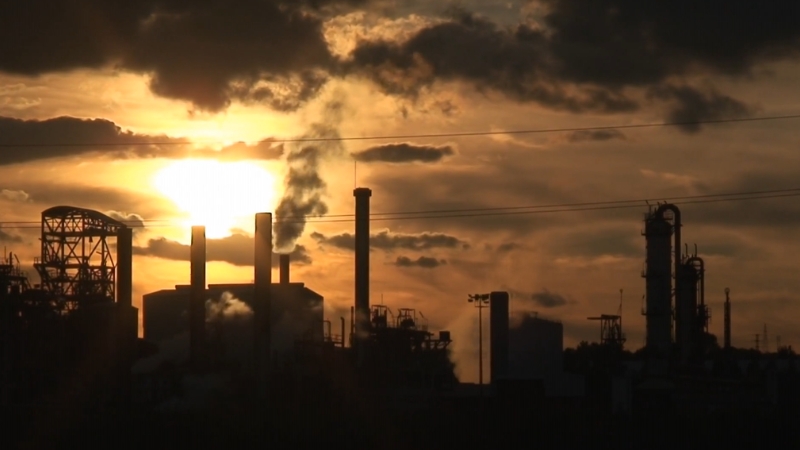
Industrial plants in Hanoi, the capital of Vietnam, are facing renewed pressure to reduce their operations due to a recent week of heavy and hazardous smog affecting the city. This situation highlights critical environmental and public health challenges aligned with the United Nations Sustainable Development Goals (SDGs), particularly SDG 3 (Good Health and Well-being), SDG 11 (Sustainable Cities and Communities), and SDG 13 (Climate Action).
Government Measures and Air Quality Status
- Ministry of Health Directive: Vietnam’s Ministry of Health has urged power, steel, and chemical plants to cut output when the Air Quality Index (AQI) exceeds 200. This directive aims to mitigate the emission of hazardous fine particulate matter (PM2.5), which poses significant health risks.
- Air Quality Index Levels: On Thursday midday, the AQI in Hanoi reached 243, ranking the city fourth among the world’s most-polluted cities according to AirVisual’s independent global air pollution data platform.
- Repeated Pollution Peaks: Hanoi has topped the pollution list multiple times during the week and previously in January, indicating a recurring environmental challenge.
Context and Impact
- Rapid Urbanization and Industrialization: As a regional manufacturing hub, Vietnam is experiencing rapid urban growth, contributing to increased air pollution, especially in Hanoi.
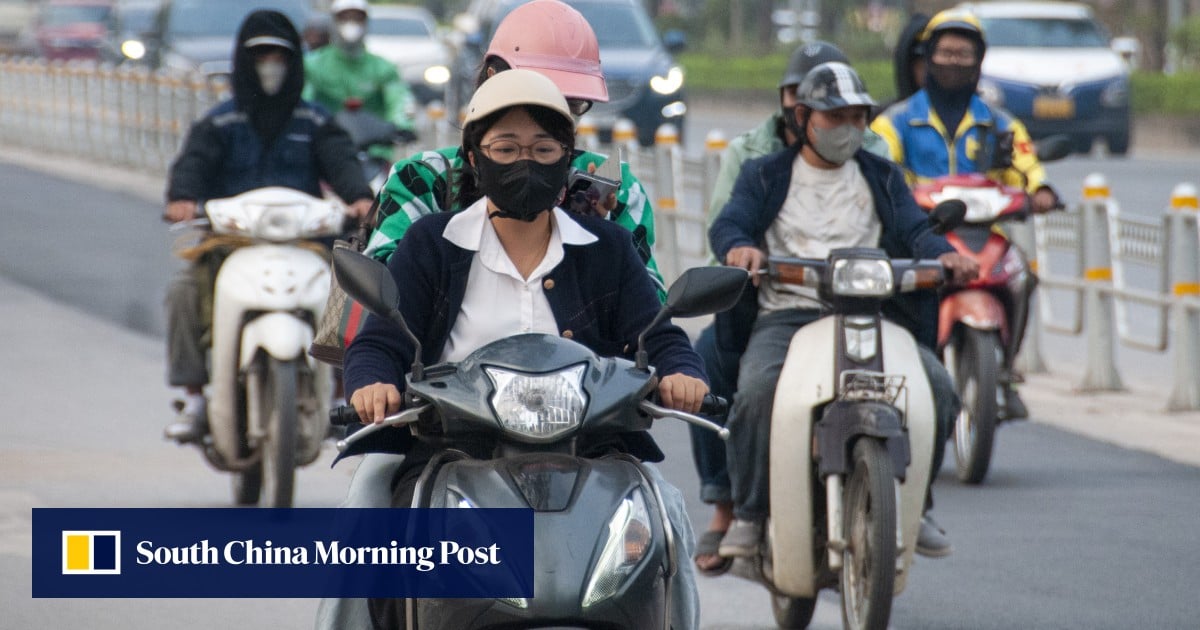
- Health Implications: Residents report adverse health effects such as itchy eyes and impaired visibility due to persistent smog, underscoring the importance of SDG 3 (Good Health and Well-being).
- Community Response: Citizens like Pham Thu Giang, a 30-year-old Hanoi resident, have adapted by wearing masks consistently to protect themselves from polluted air.
Alignment with Sustainable Development Goals (SDGs)
- SDG 3: Good Health and Well-being
- Reducing industrial emissions helps lower exposure to harmful pollutants, improving public health outcomes.
- Government advisories and public awareness campaigns support healthier living conditions.
- SDG 11: Sustainable Cities and Communities
- Managing urban air quality is essential for creating sustainable and resilient cities.
- Policies targeting industrial emissions contribute to safer and more livable urban environments.
- SDG 13: Climate Action
- Reducing pollution aligns with broader climate action goals by limiting greenhouse gas emissions and improving air quality.
- Encouraging cleaner industrial practices supports sustainable economic development.
Conclusion
The recent air pollution crisis in Hanoi underscores the urgent need for coordinated efforts between government authorities, industries, and communities to address environmental health risks. Emphasizing the Sustainable Development Goals provides a comprehensive framework to guide actions that promote cleaner air, healthier populations, and sustainable urban growth in Vietnam.
1. Sustainable Development Goals (SDGs) Addressed or Connected to the Issues Highlighted in the Article
- SDG 3: Good Health and Well-being
- The article discusses hazardous smog and air pollution affecting the health of Hanoi residents, indicating a direct connection to health and well-being.
- SDG 11: Sustainable Cities and Communities
- Hanoi’s air pollution and urbanization challenges relate to making cities safe, resilient, and sustainable.
- SDG 13: Climate Action
- Industrial emissions contributing to air pollution imply the need for climate action to reduce pollution and environmental degradation.
- SDG 9: Industry, Innovation, and Infrastructure
- The article mentions industrial plants and manufacturing hubs, highlighting the role of industry in environmental impact.
2. Specific Targets Under Those SDGs Identified Based on the Article’s Content
- SDG 3: Good Health and Well-being
- Target 3.9: Reduce the number of deaths and illnesses from hazardous chemicals and air, water, and soil pollution and contamination.
- SDG 11: Sustainable Cities and Communities
- Target 11.6: Reduce the adverse per capita environmental impact of cities, including air quality and municipal and other waste management.
- SDG 13: Climate Action
- Target 13.2: Integrate climate change measures into national policies, strategies, and planning, which includes reducing pollution from industries.
- SDG 9: Industry, Innovation, and Infrastructure
- Target 9.4: Upgrade infrastructure and retrofit industries to make them sustainable, with increased resource-use efficiency and greater adoption of clean and environmentally sound technologies.
3. Indicators Mentioned or Implied in the Article to Measure Progress Towards the Identified Targets
- Air Quality Index (AQI)
- The article explicitly mentions the AQI, which measures concentrations of hazardous small particles known as PM2.5.
- This indicator can be used to track improvements or deterioration in air quality, directly relevant to SDG 3.9 and 11.6.
- PM2.5 Concentration Levels
- PM2.5 levels are a specific indicator of air pollution severity, used to determine when industrial plants should reduce output.
- Industrial Output Regulation
- Though not a formal SDG indicator, the reduction of industrial output in response to high AQI implies monitoring of industrial emissions as an indirect progress measure.
4. Table of SDGs, Targets, and Indicators
| SDGs | Targets | Indicators |
|---|---|---|
| SDG 3: Good Health and Well-being | Target 3.9: Reduce deaths and illnesses from hazardous chemicals and pollution. | Air Quality Index (AQI), PM2.5 concentration levels |
| SDG 11: Sustainable Cities and Communities | Target 11.6: Reduce adverse per capita environmental impact of cities, including air quality. | Air Quality Index (AQI), PM2.5 concentration levels |
| SDG 13: Climate Action | Target 13.2: Integrate climate change measures into policies and planning. | Industrial emissions monitoring (implied), Air Quality Index (AQI) |
| SDG 9: Industry, Innovation, and Infrastructure | Target 9.4: Upgrade industries to be sustainable and adopt clean technologies. | Industrial output regulation in response to AQI (implied) |
Source: amp.scmp.com
What is Your Reaction?
 Like
0
Like
0
 Dislike
0
Dislike
0
 Love
0
Love
0
 Funny
0
Funny
0
 Angry
0
Angry
0
 Sad
0
Sad
0
 Wow
0
Wow
0