
















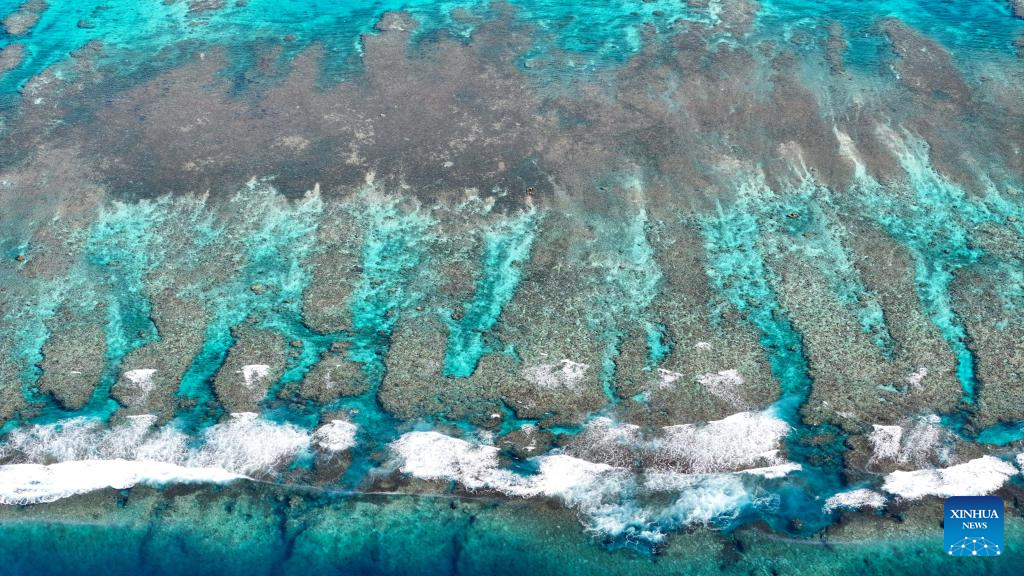
View of China’s Huangyan Dao national nature reserve in South China Sea – Xinhua
Report on Ecological Conservation and Sustainable Development Goal Alignment at Huangyan Dao
1.0 Introduction
This report analyzes observations from the Huangyan Dao national nature reserve in the South China Sea, recorded in November 2025. The analysis focuses on the alignment of conservation and management activities with the United Nations Sustainable Development Goals (SDGs), particularly those concerning environmental protection and biodiversity.
2.0 Alignment with SDG 14: Life Below Water
The status and management of the Huangyan Dao nature reserve demonstrate a direct contribution to the conservation and sustainable use of marine resources as outlined in SDG 14.
- Conservation of Marine Areas (SDG Target 14.5): The designation of Huangyan Dao as a national nature reserve is a primary action in conserving coastal and marine areas. Photographic evidence from November 8, 2025, confirms the protected status of this marine ecosystem.
- Protection of Marine Ecosystems (SDG Target 14.2): Aerial imagery reveals the presence of significant reef structures. The protection of these reefs is critical for managing and protecting marine and coastal ecosystems to avoid significant adverse impacts and achieve healthy, productive oceans.
- Marine Biodiversity: The documented presence of foraging seabirds indicates a functioning marine food web, which is essential for maintaining the biological diversity of the marine environment.
3.0 Contribution to SDG 15: Life on Land
While primarily a marine environment, the conservation efforts at Huangyan Dao also support terrestrial and avian biodiversity, contributing to SDG 15.
- Halting Biodiversity Loss (SDG Target 15.5): The reserve provides a protected habitat for various seabird species, as observed on November 10, 2025. Protecting these habitats and their associated marine food sources is a significant action to halt biodiversity loss.
- Ecosystem Protection (SDG Target 15.1): The integrated protection of the reefs, waters, and avian life represents a holistic approach to ecosystem conservation, ensuring the conservation of freshwater, terrestrial, and inland ecosystem services, in line with their values.
4.0 Institutional Framework and Governance (SDG 16)
Effective governance is crucial for achieving environmental sustainability. Observed activities highlight the institutional mechanisms in place, aligning with SDG 16: Peace, Justice, and Strong Institutions.
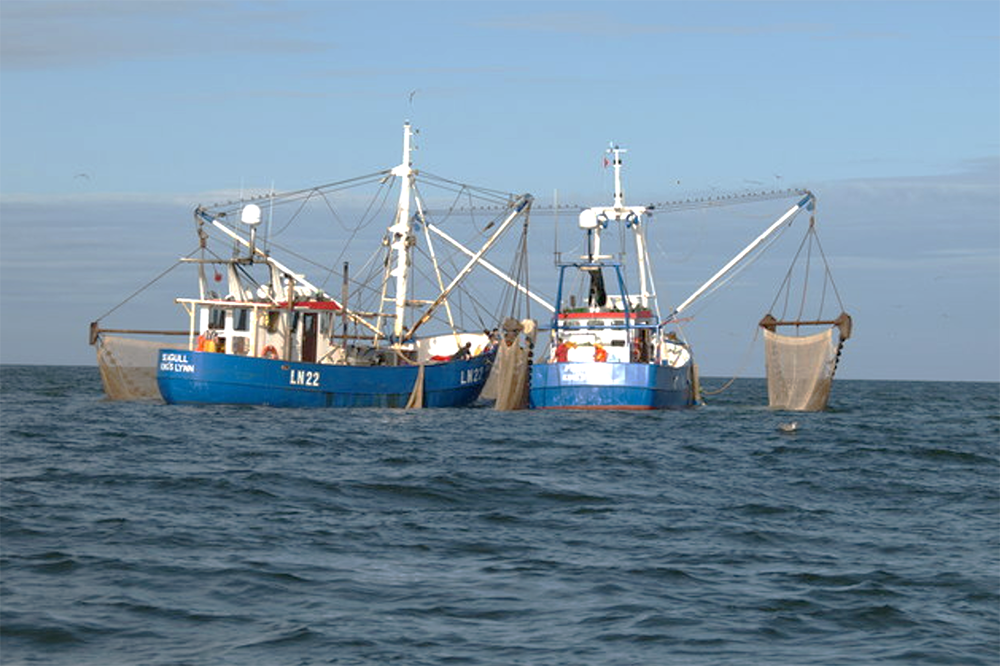
- Effective Institutions (SDG Target 16.6): The patrolling of the reserve’s territorial waters by the China Coast Guard (CCG) on November 8, 2025, demonstrates the presence of an effective institutional body responsible for enforcing environmental protection laws and regulations.
- Rule of Law (SDG Target 16.3): These enforcement activities promote the rule of law at national levels by ensuring compliance with the conservation mandates established for the national nature reserve.
Analysis of Sustainable Development Goals in the Article
1. Which SDGs are addressed or connected to the issues highlighted in the article?
-
SDG 14: Life Below Water
This goal is central to the article. The content focuses on a marine environment, specifically the “Huangyan Dao national nature reserve in the South China Sea.” The images of reefs, sea waves, and the overall marine setting directly relate to the conservation and sustainable use of oceans and marine resources.
-
SDG 15: Life on Land
While the primary focus is marine, SDG 15 is also relevant as it pertains to protecting biodiversity and natural habitats. The article features images of “seabirds” flying and foraging, highlighting the protection of wildlife that depends on the marine ecosystem. The establishment of a “national nature reserve” is a key strategy for halting biodiversity loss, which is a core component of this goal.
-
SDG 16: Peace, Justice and Strong Institutions
This goal is connected through the mention and depiction of the “China Coast Guard (CCG) patrolling in the territorial waters.” This action represents the role of state institutions in enforcing laws and regulations, which in this context, includes the protection of a national nature reserve. It demonstrates the institutional framework required to manage and protect conserved areas.
2. What specific targets under those SDGs can be identified based on the article’s content?
-
Targets under SDG 14 (Life Below Water)
- Target 14.2: By 2020, sustainably manage and protect marine and coastal ecosystems to avoid significant adverse impacts. The designation of the area as a “national nature reserve” is a direct measure to manage and protect the marine ecosystem, including the reefs shown in the photos.
- Target 14.5: By 2020, conserve at least 10 per cent of coastal and marine areas, consistent with national and international law. The establishment of the “Huangyan Dao national nature reserve” is a concrete example of an action taken to conserve a marine area, contributing directly to this target.
-
Targets under SDG 15 (Life on Land)
- Target 15.5: Take urgent and significant action to reduce the degradation of natural habitats, halt the loss of biodiversity and, by 2020, protect and prevent the extinction of threatened species. The nature reserve serves to protect the habitats of marine life and seabirds, thereby contributing to halting biodiversity loss.
-
Targets under SDG 16 (Peace, Justice and Strong Institutions)
- Target 16.b: Promote and enforce non-discriminatory laws and policies for sustainable development. The patrolling by the China Coast Guard is an act of enforcing national laws that govern the nature reserve, which are policies aimed at the sustainable development goal of conservation.
3. Are there any indicators mentioned or implied in the article that can be used to measure progress towards the identified targets?
-
Indicators for SDG 14
- Indicator 14.5.1: Coverage of protected areas in relation to marine areas. The article directly implies this indicator by identifying the location as the “Huangyan Dao national nature reserve.” The existence and official designation of this reserve is the primary data point for this indicator.
-
Indicators for SDG 15
- The article does not provide quantitative data for specific indicators. However, the visual evidence of “seabirds forage on the waters” and healthy-looking “reefs” can be seen as an implicit, qualitative indicator of the health of the ecosystem and its biodiversity, which relates to the goal of halting biodiversity loss (Target 15.5).
-
Indicators for SDG 16
- There are no specific quantitative indicators mentioned. However, the image of the “China Coast Guard (CCG) patrolling” serves as a qualitative indicator of the state’s capacity and action to enforce its environmental laws and regulations, which is a component of building strong institutions for sustainable development.
4. Summary Table of SDGs, Targets, and Indicators
| SDGs | Targets | Indicators |
|---|---|---|
| SDG 14: Life Below Water |
|
|
| SDG 15: Life on Land |
|
|
| SDG 16: Peace, Justice and Strong Institutions |
|
|
Source: english.news.cn
What is Your Reaction?
 Like
0
Like
0
 Dislike
0
Dislike
0
 Love
0
Love
0
 Funny
0
Funny
0
 Angry
0
Angry
0
 Sad
0
Sad
0
 Wow
0
Wow
0