























































What the University of Michigan Center for Innovation Means for Detroit: Education, Jobs, and a Community-Driven Vision for the Future – MarketScale
Report on the University of Michigan Center for Innovation (UMCI) and its Alignment with Sustainable Development Goals
Introduction: Fostering Inclusive and Sustainable Urban Transformation in Detroit
Detroit is undergoing a significant transformation driven by technology and workforce innovation. The forthcoming University of Michigan Center for Innovation (UMCI), scheduled to launch in 2027, presents a critical opportunity to develop an inclusive innovation ecosystem. This report analyzes the UMCI’s strategic approach to ensuring that this development contributes directly to several United Nations Sustainable Development Goals (SDGs), particularly those focused on education, economic growth, and inequality reduction.
Strategic Alignment with Key Sustainable Development Goals
The UMCI’s framework is fundamentally aligned with creating a sustainable and equitable urban future. Its core initiatives directly support the following SDGs:
- SDG 4: Quality Education: By providing accessible learning pathways, including micro-credentials and youth STEAM programming, UMCI promotes lifelong learning opportunities for all.
- SDG 8: Decent Work and Economic Growth: The center focuses on building a skilled workforce for emerging industries like artificial intelligence and clean energy, fostering inclusive economic growth and career mobility.
- SDG 9: Industry, Innovation, and Infrastructure: UMCI is designed to be a hub for innovation, building a resilient infrastructure for technology and entrepreneurship that connects Detroit and Ann Arbor.
- SDG 10: Reduced Inequalities: A central tenet of the UMCI’s mission is to ensure equitable access to the benefits of innovation by co-designing its programs with the local community.
- SDG 11: Sustainable Cities and Communities: The initiative aims to make Detroit a more inclusive, resilient, and sustainable city by integrating community needs into its economic and technological development.
- SDG 17: Partnerships for the Goals: The project exemplifies a multi-stakeholder partnership, bridging university expertise, industry needs, and community aspirations to achieve common goals.
Core Initiatives and Community Engagement Framework
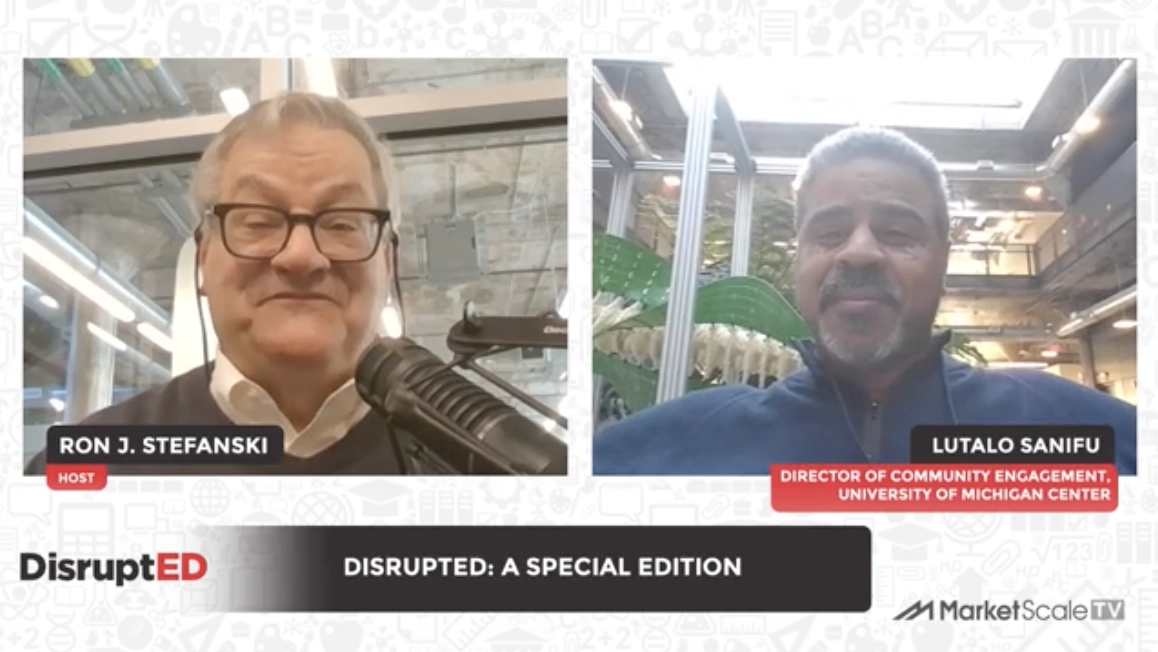
Under the leadership of Lutalo Sanifu, Director of Community Engagement, UMCI is implementing a community-centric model to achieve its objectives. The primary operational strategies are outlined below:
- Community-Centric Program Design: To ensure programs are relevant and accessible, UMCI engages in a co-creation process involving focus groups and collaborative curriculum design. This approach directly addresses SDG 10 by making the center a public space shaped by the residents it aims to serve.
- Inclusive Workforce Development Pathways: The center is establishing intergenerational pathways to career mobility. These initiatives include micro-credentials, stackable badges, and programs starting from age 14, which directly support SDG 4 and SDG 8 by equipping citizens with skills for high-demand fields.
- Cross-Disciplinary Innovation: For the first time, multiple University of Michigan colleges, including engineering, urban planning, and sustainability, are collaborating on applied, community-informed programs. This integrated approach fosters holistic solutions and strengthens the innovation ecosystem, aligning with SDG 9 and SDG 17.
Conclusion: A Model for Sustainable and Inclusive Innovation
The University of Michigan Center for Innovation represents a forward-thinking model for urban development rooted in the principles of the Sustainable Development Goals. By prioritizing community engagement and creating equitable access to education and economic opportunities, the UMCI is positioned not only to drive innovation but also to build a more inclusive, sustainable, and prosperous future for all Detroiters.
1. SDGs Addressed in the Article
The article on the University of Michigan Center for Innovation (UMCI) in Detroit touches upon several Sustainable Development Goals by focusing on inclusive growth, education, innovation, and community partnerships. The primary SDGs addressed are:
- SDG 4: Quality Education
- SDG 8: Decent Work and Economic Growth
- SDG 9: Industry, Innovation, and Infrastructure
- SDG 11: Sustainable Cities and Communities
- SDG 17: Partnerships for the Goals
2. Specific Targets Under Identified SDGs
SDG 4: Quality Education
The article highlights UMCI’s mission to provide accessible and relevant education for the Detroit community.
- Target 4.3: Ensure equal access for all women and men to affordable and quality technical, vocational and tertiary education, including university. The article mentions UMCI’s role in “transforming education” and offering programs that provide “intergenerational access,” which directly relates to this target.
- Target 4.4: Substantially increase the number of youth and adults who have relevant skills, including technical and vocational skills, for employment, decent jobs and entrepreneurship. This is a central theme, with the article detailing offerings like “micro-credentials,” “stackable badges,” and training in high-demand fields such as “artificial intelligence, mobility, clean energy, and entrepreneurship.”
SDG 8: Decent Work and Economic Growth
The initiative is framed as a driver for “community-driven economic mobility” and inclusive workforce development.
- Target 8.2: Achieve higher levels of economic productivity through diversification, technological upgrading and innovation. The creation of an “innovation corridor” and focus on “new tech corridors” aims to boost Detroit’s economic productivity through technology and innovation.
- Target 8.6: Substantially reduce the proportion of youth not in employment, education or training. The article explicitly mentions creating “pathways starting at age 14” and “youth STEAM programming,” which are direct interventions to engage young people and prepare them for future careers.
SDG 9: Industry, Innovation, and Infrastructure
The core of the article is about building an infrastructure for innovation in Detroit.
- Target 9.5: Enhance scientific research, upgrade the technological capabilities of industrial sectors in all countries, in particular developing countries, including, by 2030, encouraging innovation. The establishment of the UMCI is a direct effort to “build a world-class innovation hub” and foster an “inclusive innovation ecosystem,” thereby enhancing research and technological capabilities in the city.
- Target 9.b: Support domestic technology development, research and innovation. The entire project is a local initiative designed to support Detroit’s own “innovation future” by bridging university expertise with local needs.
SDG 11: Sustainable Cities and Communities
The project is deeply rooted in the urban context of Detroit, aiming to make its development more inclusive and participatory.
- Target 11.3: Enhance inclusive and sustainable urbanization and capacity for participatory, integrated and sustainable human settlement planning and management. The article emphasizes that UMCI is “co-creating programs through focus groups, community meetings, and collaborative curriculum design,” ensuring that development is shaped “with Detroiters” and reflects a participatory planning process.
- Target 11.a: Support positive economic, social and environmental links between urban, peri-urban and rural areas by strengthening national and regional development planning. The plan to build an “innovation corridor between Detroit and Ann Arbor” is a clear example of strengthening economic and social links between two distinct urban areas for regional benefit.
SDG 17: Partnerships for the Goals
The success of the UMCI initiative is predicated on collaboration between various stakeholders.
- Target 17.17: Encourage and promote effective public, public-private and civil society partnerships, building on the experience and resourcing strategies of partnerships. The article describes a multi-stakeholder partnership involving the University of Michigan (a public institution), the community (“Detroiters”), and by extension, the industries that will benefit. The mention of “cross-department innovation” involving colleges from “engineering to urban planning to sustainability” further illustrates this collaborative model.
3. Indicators for Measuring Progress
While the article does not list official SDG indicators, it implies several metrics that could be used to measure the success of the UMCI initiative in relation to the identified targets.
- For SDG 4:
- Implied Indicator: Number of Detroit residents (youth and adults) enrolled in and completing UMCI’s educational programs, such as micro-credentials and stackable badges.
- Implied Indicator: Participation rates in youth STEAM programming.
- For SDG 8:
- Implied Indicator: Employment rate of program graduates in fields like AI, mobility, and clean energy.
- Implied Indicator: Number of new businesses launched by participants of the entrepreneurship programs.
- Implied Indicator: Reduction in the percentage of youth (ages 14+) in Detroit who are not in education, employment, or training.
- For SDG 9:
- Implied Indicator: Number of innovation projects and collaborations established between the university and Detroit’s industries.
- Implied Indicator: Growth in investment and business activity within the Detroit-Ann Arbor innovation corridor.
- For SDG 11:
- Implied Indicator: Number of community engagement activities (focus groups, meetings) held and the degree to which community feedback is incorporated into program design.
- For SDG 17:
- Implied Indicator: Number of formal partnerships established between UMCI, community organizations, and private sector companies.
4. Summary Table of SDGs, Targets, and Indicators
| SDGs | Targets | Indicators (Implied from Article) |
|---|---|---|
| SDG 4: Quality Education | 4.4: Increase the number of youth and adults with relevant skills for employment. | Number of residents enrolled in and completing micro-credentials, stackable badges, and youth STEAM programs. |
| SDG 8: Decent Work and Economic Growth | 8.6: Reduce the proportion of youth not in employment, education or training. | Employment rates of program graduates; Number of youth engaged in pathways starting at age 14. |
| SDG 9: Industry, Innovation, and Infrastructure | 9.5: Enhance scientific research and encourage innovation. | Number of innovation projects and collaborations within the “innovation hub.” |
| SDG 11: Sustainable Cities and Communities | 11.3: Enhance inclusive and sustainable urbanization and participatory planning. | Number of community focus groups and meetings held for co-creating programs. |
| SDG 17: Partnerships for the Goals | 17.17: Encourage effective public, public-private and civil society partnerships. | Number of formal partnerships between the university, community, and industry. |
Source: marketscale.com
What is Your Reaction?
 Like
0
Like
0
 Dislike
0
Dislike
0
 Love
0
Love
0
 Funny
0
Funny
0
 Angry
0
Angry
0
 Sad
0
Sad
0
 Wow
0
Wow
0