

























































When air quality is “Unhealthy for Sensitive Groups” – IQAir

Report on Air Quality Index: Unhealthy for Sensitive Groups and Sustainable Development Goals
Understanding the “Unhealthy for Sensitive Groups” AQI Range
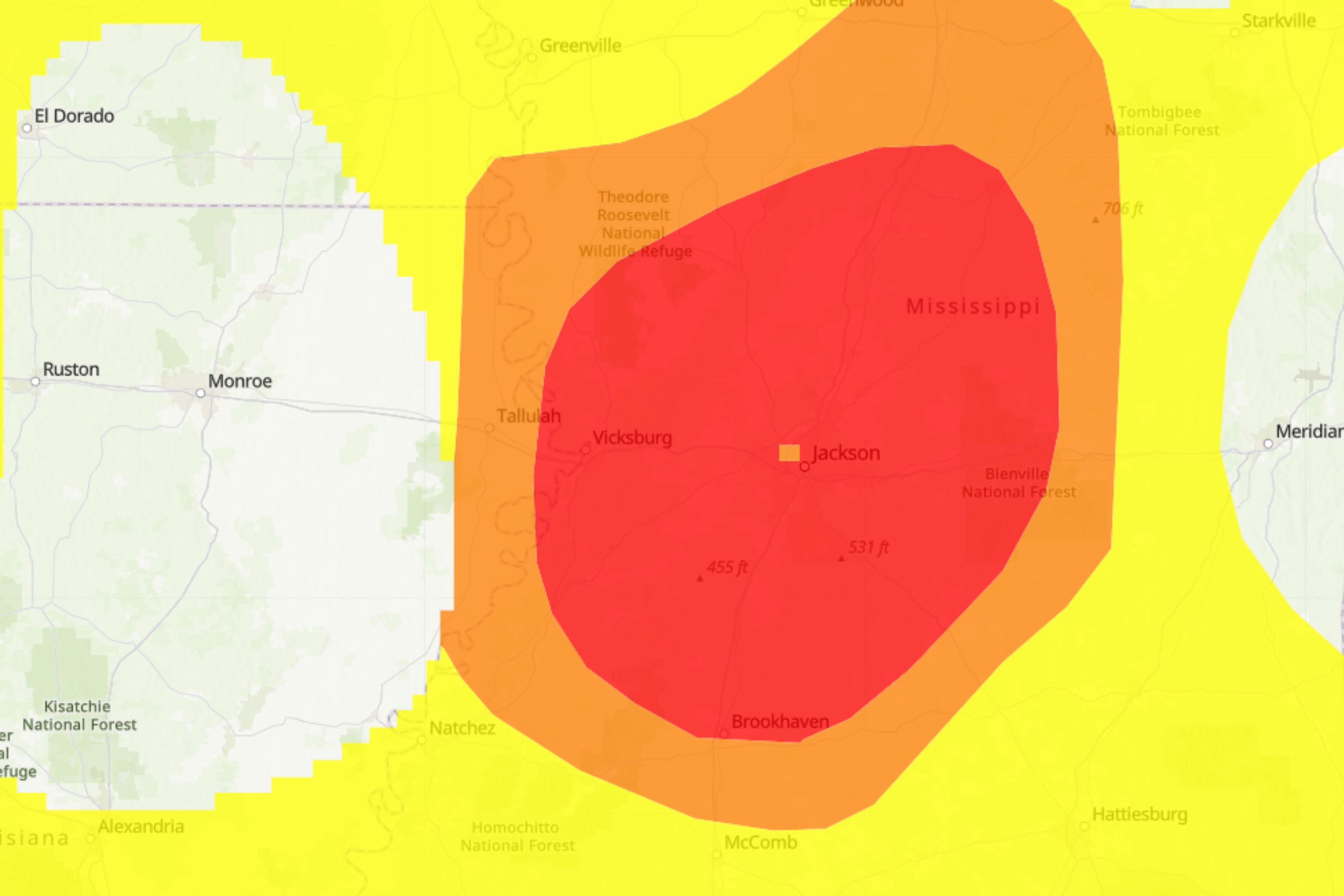
An Air Quality Index (AQI) value between 101 and 150 is classified as “Unhealthy for Sensitive Groups.” This classification is critical for public health and aligns with the Sustainable Development Goals (SDGs), particularly SDG 3 (Good Health and Well-being) and SDG 11 (Sustainable Cities and Communities).
The sensitive groups affected include:
- Children
- The Elderly
- Pregnant People
- Individuals with cardiac and pulmonary diseases
Health Recommendations and Protective Measures
| Health Recommendations | |||
|---|---|---|---|
| How to Protect from Unhealthy for Sensitive Groups Pollution | |||

Reduce outdoor exercise
|
|||
Protective Measures for Sensitive Groups
When air quality reaches levels unhealthy for sensitive groups, all individuals may experience eye, skin, and throat irritation, as well as respiratory issues. It is advised that the general public significantly reduce outdoor physical exertion to support SDG 3 by minimizing health risks associated with air pollution.
Sensitive groups face higher health risks and should avoid all outdoor activities to protect their well-being.
Recommended Actions to Protect Yourself
To align with SDG 3 (Good Health and Well-being) and SDG 13 (Climate Action), individuals are encouraged to take the following measures when air quality is unhealthy for sensitive groups:
- Download a free air quality app for real-time alerts and forecasts to monitor air quality continuously.
- Contribute to community air quality data by increasing ground-level monitoring through participation with air quality monitors.
- Keep doors and windows closed and set HVAC systems to recirculate to reduce indoor pollution.
- Sensitive individuals should remain indoors; if outdoor exposure is necessary, wearing a KN95/FFP2 mask is recommended.
- Use a high-performance air purifier to filter pollutants, supporting healthier indoor environments.
Integration with Sustainable Development Goals
- SDG 3: Good Health and Well-being – Protecting sensitive groups from air pollution reduces respiratory and cardiovascular diseases.
- SDG 11: Sustainable Cities and Communities – Monitoring and managing air quality contributes to healthier urban environments.
- SDG 13: Climate Action – Community engagement in air quality monitoring supports climate resilience and pollution reduction strategies.
1. Sustainable Development Goals (SDGs) Addressed or Connected
- SDG 3: Good Health and Well-being – The article focuses on health risks related to air pollution, especially for sensitive groups such as children, the elderly, pregnant people, and individuals with cardiac and pulmonary diseases.
- SDG 11: Sustainable Cities and Communities – The article discusses air quality monitoring and public health protection measures in urban environments.
- SDG 13: Climate Action – Although not explicitly mentioned, air quality management is linked to climate action through reducing pollution and mitigating environmental health risks.
2. Specific Targets Under Those SDGs Identified
- SDG 3 Targets:
- Target 3.9: By 2030, substantially reduce the number of deaths and illnesses from hazardous chemicals and air, water, and soil pollution and contamination.
- Target 3.d: Strengthen the capacity of all countries for early warning, risk reduction, and management of national and global health risks.
- SDG 11 Targets:
- Target 11.6: By 2030, reduce the adverse per capita environmental impact of cities, including by paying special attention to air quality and municipal and other waste management.
- SDG 13 Targets:
- Target 13.3: Improve education, awareness-raising, and human and institutional capacity on climate change mitigation, adaptation, impact reduction, and early warning.
3. Indicators Mentioned or Implied to Measure Progress
- Air Quality Index (AQI) Levels: The article centers on AQI values between 101-150, classified as “Unhealthy for Sensitive Groups,” which is a key indicator of air pollution severity.
- Real-time Air Quality Monitoring: Use of air quality apps and ground-level monitors to provide data on pollutant concentrations, enabling assessment of air quality trends.
- Health Impact Indicators: Incidence rates of respiratory problems, eye, skin, and throat irritation among sensitive groups, implied as outcomes related to air quality.
- Protective Measures Adoption: Usage rates of protective equipment (e.g., KN95/FFP2 masks), indoor air purifiers, and behavioral changes such as reducing outdoor exercise.
4. Table of SDGs, Targets, and Indicators
| SDGs | Targets | Indicators |
|---|---|---|
| SDG 3: Good Health and Well-being |
|
|
| SDG 11: Sustainable Cities and Communities |
|
|
| SDG 13: Climate Action |
|
|
Source: iqair.com
What is Your Reaction?
 Like
0
Like
0
 Dislike
0
Dislike
0
 Love
0
Love
0
 Funny
0
Funny
0
 Angry
0
Angry
0
 Sad
0
Sad
0
 Wow
0
Wow
0