













































WHO calls for a new era of strategic urban health action with global guide to unlock healthy, prosperous and resilient societies – World Health Organization (WHO)
Report on Strategic Urban Health Action and Sustainable Development Goals
Introduction: Urbanization and the Imperative for Sustainable Development
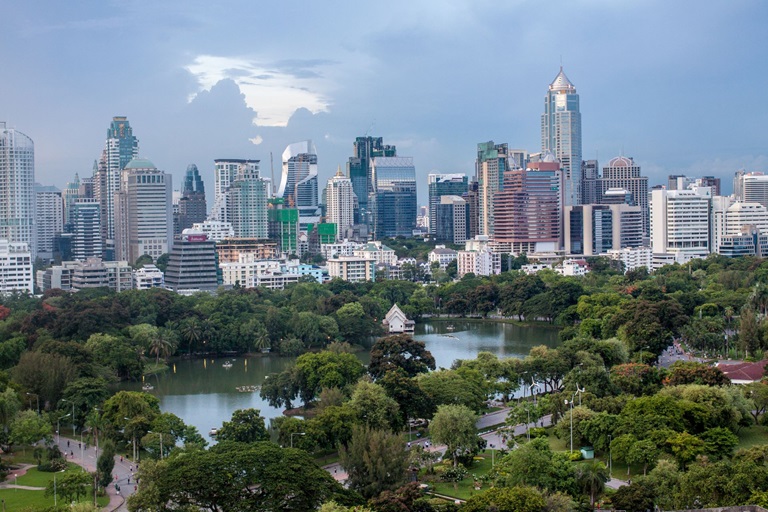
On World Cities Day, the World Health Organization (WHO) issued a call for national and city leaders to transform urban areas into catalysts for health, equity, and sustainability. With over 4.4 billion people—more than half of the global population—residing in urban areas, a figure projected to reach nearly 70% by 2050, cities represent a critical intersection for health, inequality, and environmental challenges. This urban reality presents both complex risks and significant opportunities for advancing the Sustainable Development Goals (SDGs), particularly SDG 3 (Good Health and Well-being) and SDG 11 (Sustainable Cities and Communities).
Urban Health Disparities and SDG Alignment
The Challenge of Urban Inequality (SDG 10 & SDG 11)
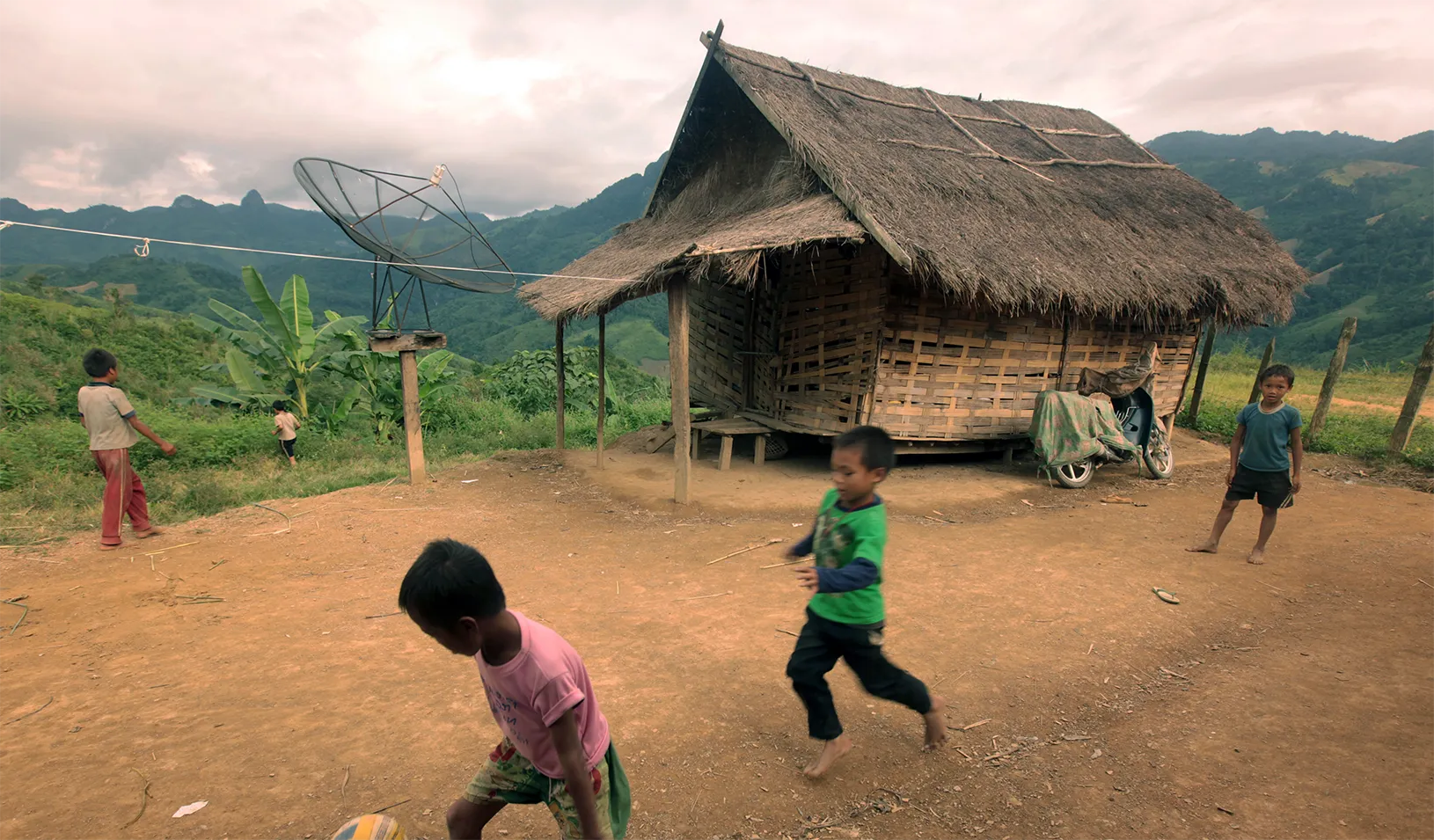
Significant health disparities persist within urban environments, directly undermining SDG 10 (Reduced Inequalities). The most severe health outcomes are often concentrated in slums and informal settlements, where 1.1 billion people currently live.
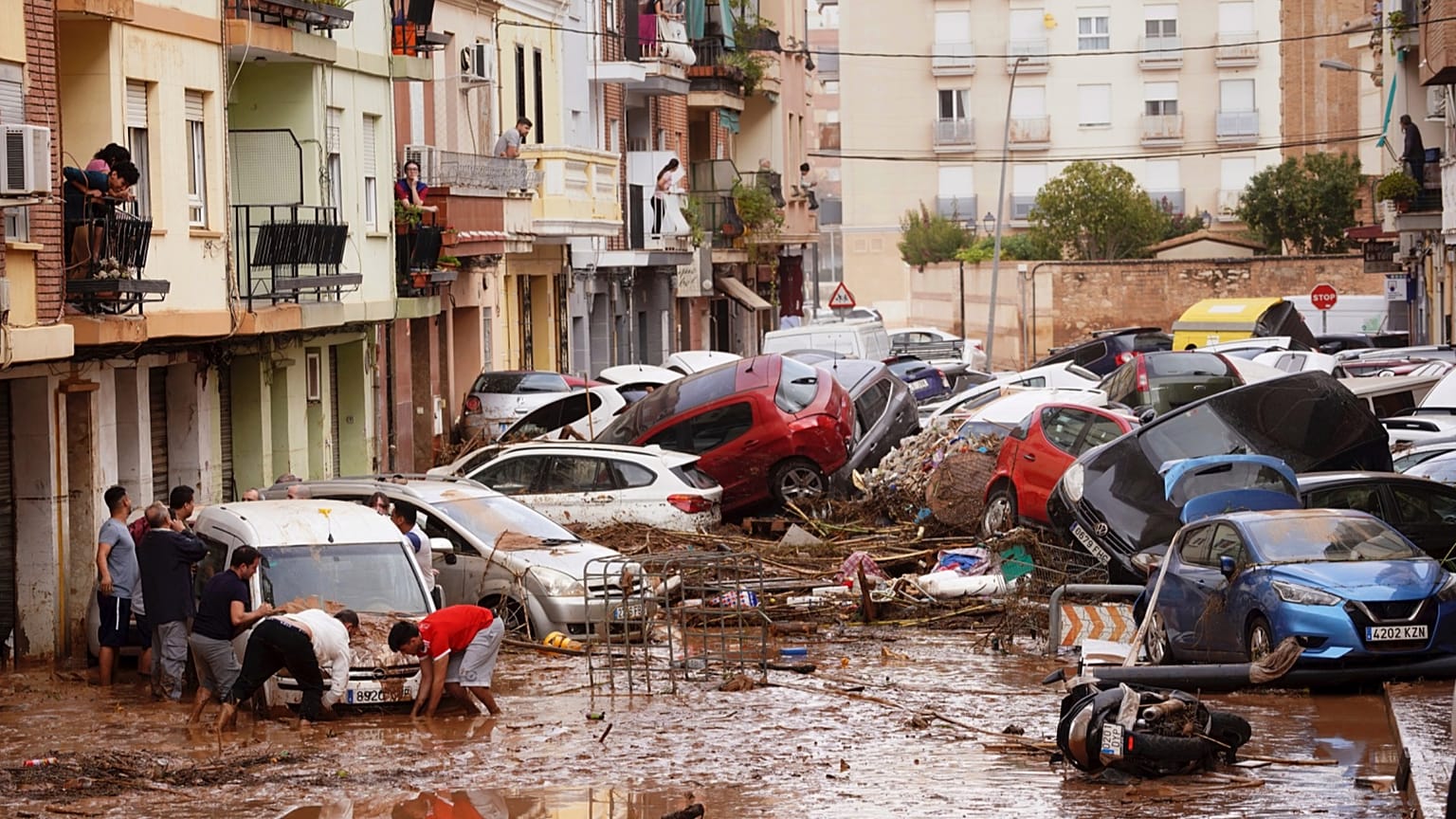
- Residents in these areas face conditions contrary to the targets of SDG 11, including unsafe housing, inadequate sanitation (related to SDG 6: Clean Water and Sanitation), food insecurity, and increased exposure to climate-related hazards like floods and heatwaves.
- Evidence of this inequality is stark; a study of 363 Latin American cities revealed life expectancy gaps of up to 14 years for men and 8 years for women between different urban areas.
Environmental Health Risks in Urban Centers (SDG 3, SDG 11, SDG 13)
Urban residents face a multitude of overlapping health risks that challenge the achievement of several SDGs.
- Air Pollution: A primary concern, causing an estimated 7 million deaths annually. The fact that nearly all city dwellers breathe air failing to meet WHO guidelines directly impacts SDG 3.9 (reduce deaths from pollution) and SDG 11.6 (reduce the environmental impact of cities).
- Disease and Climate Risks: Dense populations increase the risk of infectious disease outbreaks, while limited access to green spaces contributes to noncommunicable diseases, affecting SDG 3.3 and SDG 3.4. Urban environments also drive global challenges like climate change, making resilient urban planning essential for SDG 13 (Climate Action).
A Strategic Framework for Urban Health: The WHO Guide
In response to these challenges, the WHO has launched a new guide, “Taking a strategic approach to urban health.” This framework provides a roadmap for governments to integrate health considerations into all aspects of urban policy and planning, thereby fostering progress across the 2030 Agenda for Sustainable Development.
A Multi-Sectoral Approach for Integrated Action (SDG 17)
The guide emphasizes that health is a shared responsibility, requiring a multi-sectoral approach that aligns with SDG 17 (Partnerships for the Goals). Decisions made in sectors such as transport, housing, energy, and digital access have profound impacts on public health. Strategic action involves aligning these decisions to build healthier, more equitable futures. This requires collaboration between national and municipal leaders, planners, private partners, and community stakeholders.
Core Components of the Strategic Approach
The WHO guide outlines four practical steps for governments to implement this integrated vision:
- Understand System Complexity: Analyze how complex urban systems shape health and equity, providing a foundation for evidence-based policies that support SDG 3 and SDG 10.
- Identify Actionable Entry Points: Recognize and leverage opportunities to build urban health considerations into diverse policy agendas, from climate action to economic development.
- Strengthen Implementation Mechanisms: Enhance the means of implementation through improved governance, financing, data analytics, innovation, and participatory partnerships, reflecting the principles of SDG 17.
- Develop Comprehensive Strategies: Formulate and execute integrated urban health strategies at both national and city levels to ensure coherent and sustained action.
Conclusion: A Call to Action for Sustainable and Healthy Cities
The WHO calls on municipal and national leaders to adopt this strategic approach, recognizing that urban planning is a critical determinant of public health. By aligning urban development with societal goals for sustainability and equity, cities can be transformed into environments that are not only more livable but also more just and resilient. To support this transformation, the WHO has also launched an Urban Health E-learning course to strengthen capacities for collaborative action. This concerted effort is essential for achieving the vision of the Sustainable Development Goals, ensuring healthy lives and promoting well-being for all urban dwellers.
Sustainable Development Goals (SDGs) Addressed in the Article
SDG 3: Good Health and Well-being
- The article’s central theme is urban health, directly aligning with SDG 3. It highlights significant health challenges in cities, such as infectious diseases, noncommunicable diseases, and massive health inequities. For instance, it states, “Air pollution alone kills around 7 million people annually,” and points to “life expectancy gaps of up to 14 years for men and 8 years for women between the healthiest and least healthy cities.”
SDG 10: Reduced Inequalities
- The article emphasizes the deep inequities within and between cities. It notes that “the worst health outcomes are often concentrated in slums and informal settlements.” The call to “build fairer, healthier, and more resilient futures” and address the stark “life expectancy gaps” directly connects to the goal of reducing inequalities.
SDG 11: Sustainable Cities and Communities
- This is a core SDG addressed, as the article focuses entirely on urban areas, their challenges, and the need for strategic planning. It discusses key components of sustainable cities, including housing, sanitation, transport, air quality, and green spaces. The text mentions that “1.1 billion people live in [slums and informal settlements]” and face issues like “unsafe housing, inadequate sanitation,” and “unsafe transport.”
SDG 6: Clean Water and Sanitation
- The article explicitly mentions that residents of slums and informal settlements endure “inadequate sanitation,” which is a direct concern of SDG 6. This highlights the link between urban living conditions and access to basic services.
SDG 13: Climate Action
- The article connects urban environments to climate change, stating they are “driving global challenges such as climate change.” It also points to climate-related risks faced by urban populations, such as “rising exposure to floods and heat,” and calls for building “resilient” societies, which is a key aspect of climate action.
Specific SDG Targets Identified
SDG 3: Good Health and Well-being
- Target 3.9: By 2030, substantially reduce the number of deaths and illnesses from hazardous chemicals and air, water and soil pollution and contamination. This is directly supported by the article’s statement that “Air pollution alone kills around 7 million people annually.”
- Target 3.d: Strengthen the capacity of all countries… for early warning, risk reduction and management of national and global health risks. The article’s mention that “Dense populations heighten risks for infectious outbreaks such as COVID-19 and dengue” points to the need for improved health risk management in cities.
SDG 10: Reduced Inequalities
- Target 10.2: By 2030, empower and promote the social, economic and political inclusion of all… The article’s focus on health equity, the disproportionate negative impacts on slum dwellers, and the call to bring “community voices directly into urban design” align with this target.
SDG 11: Sustainable Cities and Communities
- Target 11.1: By 2030, ensure access for all to adequate, safe and affordable housing and basic services and upgrade slums. This is clearly identified by the statistic that “1.1 billion people live in these conditions [slums and informal settlements]” and suffer from “unsafe housing” and “inadequate sanitation.”
- Target 11.6: By 2030, reduce the adverse per capita environmental impact of cities, including by paying special attention to air quality… The article’s finding that “nearly every city dweller breathes air that fails to meet WHO air quality guideline values” directly relates to this target.
- Target 11.7: By 2030, provide universal access to safe, inclusive and accessible, green and public spaces… The text supports this by stating that “limited access to green spaces increases the risk for noncommunicable diseases.”
- Target 11.b: …implementing integrated policies and plans towards… resilience to disasters… The article’s reference to “rising exposure to floods and heat” and the promotion of a guide for strategic action to build “resilient futures” connects to this target.
SDG 6: Clean Water and Sanitation
- Target 6.2: By 2030, achieve access to adequate and equitable sanitation and hygiene for all… This is identified through the article’s specific mention of “inadequate sanitation” as a key problem in slums and informal settlements.
SDG 13: Climate Action
- Target 13.1: Strengthen resilience and adaptive capacity to climate-related hazards and natural disasters in all countries. The article’s focus on building “resilient” urban environments in the face of “floods and heat” directly addresses this target.
Indicators Mentioned or Implied
SDG 3: Good Health and Well-being
- Implied Indicator (related to 3.9.1): The article provides a direct figure for the “Mortality rate attributed to… ambient air pollution” by stating that “Air pollution alone kills around 7 million people annually.”
- Implied Indicator: The “life expectancy gaps of up to 14 years for men and 8 years for women” serves as a powerful indicator of health inequities within urban settings.
SDG 11: Sustainable Cities and Communities
- Implied Indicator (related to 11.1.1): The “Proportion of urban population living in slums, informal settlements or inadequate housing” is directly referenced with the figure “1.1 billion people live in these conditions.”
- Implied Indicator (related to 11.6.2): The “Annual mean levels of fine particulate matter (e.g. PM2.5) in cities” is implied by the statement that “nearly every city dweller breathes air that fails to meet WHO air quality guideline values.”
Summary of SDGs, Targets, and Indicators
| SDGs | Targets | Indicators (Mentioned or Implied in Article) |
|---|---|---|
| SDG 3: Good Health and Well-being | 3.9: Reduce deaths from pollution. 3.d: Strengthen capacity for managing health risks. |
Number of deaths from air pollution (7 million annually). Life expectancy gaps between different urban areas (up to 14 years). Prevalence of infectious diseases (COVID-19, dengue) in dense populations. |
| SDG 6: Clean Water and Sanitation | 6.2: Achieve access to adequate and equitable sanitation. | Prevalence of “inadequate sanitation” in slums and informal settlements. |
| SDG 10: Reduced Inequalities | 10.2: Promote social, economic, and political inclusion. | Concentration of worst health outcomes in slums. Disparities in life expectancy between city residents. |
| SDG 11: Sustainable Cities and Communities | 11.1: Ensure access to adequate housing and upgrade slums. 11.6: Reduce the environmental impact of cities (air quality). 11.7: Provide access to green and public spaces. 11.b: Implement integrated policies for resilience. |
Number of people living in slums or informal settlements (1.1 billion). Proportion of city dwellers breathing air that fails WHO guidelines. Access to green spaces. Presence of “unsafe housing” and “unsafe transport.” |
| SDG 13: Climate Action | 13.1: Strengthen resilience to climate-related hazards. | Urban population’s exposure to floods and heat. Cities’ role in driving climate change. |
Source: nationaltribune.com.au
What is Your Reaction?
 Like
0
Like
0
 Dislike
0
Dislike
0
 Love
0
Love
0
 Funny
0
Funny
0
 Angry
0
Angry
0
 Sad
0
Sad
0
 Wow
0
Wow
0