























































WHO recommends GLP-1 drugs for obesity – NBC News
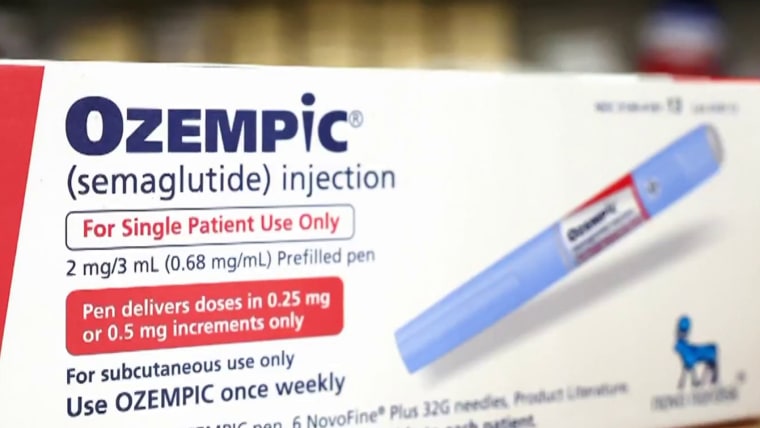
Report on World Health Organization’s New Obesity Treatment Guidelines and Sustainable Development Goal Implications
Executive Summary
The World Health Organization (WHO) has issued new guidelines recommending the use of GLP-1 agonist drugs for the management of obesity in adults. This represents a significant policy shift, re-conceptualizing obesity as a complex, treatable chronic disease rather than a lifestyle condition. The guidelines advocate for a comprehensive, long-term treatment strategy. This development has direct and significant implications for several Sustainable Development Goals (SDGs), particularly SDG 3 (Good Health and Well-being) and SDG 10 (Reduced Inequalities).
Guideline Details and Alignment with SDG 3: Good Health and Well-being
The WHO’s conditional recommendation, published in the medical journal JAMA, outlines a multi-faceted approach to obesity management. This strategy is designed to advance public health outcomes in line with SDG 3, which aims to ensure healthy lives and promote well-being for all at all ages.
Recommended Treatment Strategy:
- Pharmacological Intervention: The use of GLP-1 agonists as part of a continuous treatment plan for six months or more. These drugs function by mimicking a hormone that signals satiety to the brain, thereby suppressing appetite.
- Lifestyle Counseling: Integration of medication with professional guidance on healthy diets and nutrition.
- Physical Activity: Inclusion of regular physical activity as a core component of the long-term management plan.
Contribution to SDG 3 Targets:
- Target 3.4 (Non-communicable Diseases): By providing an effective tool to manage obesity, the guidelines directly support the goal of reducing premature mortality from non-communicable diseases (NCDs). Treating obesity can lower the risk of related conditions such as heart attacks, strokes, and high blood pressure.
- Promoting Well-being: The shift in perspective towards treating obesity as a chronic disease promotes a more effective and less stigmatizing public health approach, contributing to overall health and well-being.
Challenges to Implementation and SDG 10: Reduced Inequalities
While the guidelines offer a new pathway for public health, their implementation faces significant barriers that challenge the principles of SDG 10, which calls for reducing inequality within and among countries.
- High Cost and Inequitable Access: The primary obstacle is the prohibitive cost of GLP-1 medications. With leading drugs like Zepbound and Wegovy priced above $1,000 per month in the U.S., access is largely restricted to individuals in high-income nations or those with comprehensive insurance coverage. This economic barrier exacerbates health disparities and undermines the goal of universal health coverage.
- Conditional Recommendation: The WHO’s recommendation is conditional, acknowledging the need for more long-term data on the safety and efficacy of these drugs. This may slow their integration into national health policies and public funding mechanisms.
- Global Health Disparity: Without significant price reductions and equitable distribution strategies, these breakthrough therapies risk widening the health gap between developed and developing nations, directly contradicting the mission of SDG 10.
Holistic Approach and Future Considerations
The WHO report emphasizes that medication is not a singular solution to the global obesity crisis. A holistic view is necessary, aligning with a broader set of SDGs.
- Environmental and Genetic Factors: The guidelines acknowledge that genetics and environmental factors, such as rising stress levels and increased exposure to processed foods, are significant contributors to obesity. This highlights the connection to SDG 2 (Zero Hunger), which includes targets for ending malnutrition and promoting sustainable food systems.
- Policy Integration: The adoption of these guidelines by WHO member states is a critical next step. Many countries rely on WHO recommendations to shape their national health policies, making this a pivotal moment for global obesity strategy.
- Need for Affordable Solutions: Efforts to negotiate lower prices for GLP-1 drugs are essential to ensure that these treatments can be accessed by all who need them, fulfilling the core SDG principle of “leaving no one behind.”
SDGs Addressed in the Article
-
SDG 3: Good Health and Well-being
The article’s central theme is the management of obesity, a chronic disease, and the prevention of related non-communicable diseases (NCDs) like heart attacks and strokes. It discusses a new treatment recommendation from the World Health Organization (WHO) involving GLP-1 drugs, which directly pertains to improving health outcomes and well-being.
-
SDG 2: Zero Hunger
While not the primary focus, the article connects to SDG 2 by addressing obesity as a form of malnutrition. It mentions the need for a comprehensive approach that includes “counseling on healthy diets” and acknowledges the role of “increased exposure to processed foods” in the global obesity burden, linking the issue to nutrition and food systems.
Specific SDG Targets Identified
-
Target 3.4: Reduce by one-third premature mortality from non-communicable diseases through prevention and treatment.
- The article directly supports this target by discussing a new strategy to treat obesity, which it calls a “complex, preventable, and treatable chronic disease.” It explicitly states that GLP-1 drugs can “lower the risk of obesity-related conditions such as high blood pressure, heart attacks or strokes,” which are major non-communicable diseases contributing to premature mortality.
-
Target 3.8: Achieve universal health coverage, including access to quality essential health-care services and access to safe, effective, quality and affordable essential medicines for all.
- This target is highlighted by the discussion on the accessibility and affordability of GLP-1 drugs. The article notes their high cost (over $1,000 per month) as a significant barrier. It also mentions that the WHO officials “highlighted the need for… lower prices to expand access” and references a deal to “lower the cost for people who pay out of pocket or have Medicare or Medicaid,” directly addressing the affordability component of universal health coverage.
-
Target 2.2: By 2030, end all forms of malnutrition.
- The article addresses this target by focusing on tackling the “global obesity burden.” Obesity is a form of malnutrition (overnutrition). The WHO’s recommendation for a comprehensive treatment strategy that combines medication with “counseling on healthy diets and physical activity” is a direct effort to address this specific form of malnutrition in adults.
Indicators for Measuring Progress
-
Indicator 3.4.1: Mortality rate attributed to cardiovascular disease, cancer, diabetes or chronic respiratory disease.
- This indicator is implied through the article’s statement that GLP-1 drugs can “lower the risk of obesity-related conditions such as high blood pressure, heart attacks or strokes.” Progress in managing obesity with these new treatments could be measured by a reduction in mortality rates from these specific cardiovascular diseases.
-
Indicator related to Target 3.8: Proportion of the population with access to affordable essential medicines.
- The article implies this indicator by focusing on the high price of GLP-1 drugs, which “carry list prices above $1,000 per month.” It also mentions that “1 in 8 adults report that they’re currently taking a GLP-1 drug,” providing a baseline for the population using these medicines. Measuring the change in this proportion, especially after efforts to “lower the cost,” would track progress toward making these essential medicines more affordable and accessible.
-
Indicator related to Target 2.2: Prevalence of overweight and obesity among adults.
- Although the official indicator focuses on children, the article’s entire context is adult obesity. The goal to solve the “global obesity burden” implies that the prevalence of obesity in the adult population is the key metric. The success of the new WHO guidelines and treatment strategies would be directly measured by a decrease in the prevalence of adult obesity.
Summary Table of SDGs, Targets, and Indicators
| SDGs, Targets and Indicators | Targets | Indicators |
|---|---|---|
| SDG 3: Good Health and Well-being | Target 3.4: Reduce premature mortality from non-communicable diseases (NCDs) through prevention and treatment. | Implied Indicator: Reduction in mortality rates from obesity-related conditions like heart attacks and strokes. |
| SDG 3: Good Health and Well-being | Target 3.8: Achieve universal health coverage, including access to affordable essential medicines. | Implied Indicator: Proportion of the population with access to affordable GLP-1 drugs, measured against their high cost and efforts to lower prices. |
| SDG 2: Zero Hunger | Target 2.2: End all forms of malnutrition. | Implied Indicator: Prevalence of overweight and obesity among the adult population as a measure of tackling the “global obesity burden.” |
Source: nbcnews.com
What is Your Reaction?
 Like
0
Like
0
 Dislike
0
Dislike
0
 Love
0
Love
0
 Funny
0
Funny
0
 Angry
0
Angry
0
 Sad
0
Sad
0
 Wow
0
Wow
0