















































With expansion, Spring Lake Ranch hopes to be missing link in mental health care – VTDigger

Report on Spring Lake Ranch’s Expanded Mental Health Services and Alignment with Sustainable Development Goals
Introduction: Addressing a Critical Gap in Mental Healthcare
A significant challenge within the mental healthcare system is the cycle of acute crisis, short-term institutional care, and subsequent relapse upon returning to an unchanged environment. This pattern undermines long-term recovery and fails to support individuals in achieving sustainable well-being. Spring Lake Ranch Therapeutic Community (SLR) in Shrewsbury, VT, is addressing this gap with an expanded step-down program designed to provide a crucial transitional phase. This initiative directly contributes to several United Nations Sustainable Development Goals (SDGs), particularly SDG 3 (Good Health and Well-being).
The Banks Transitional Living Program: A Model for Sustainable Well-being
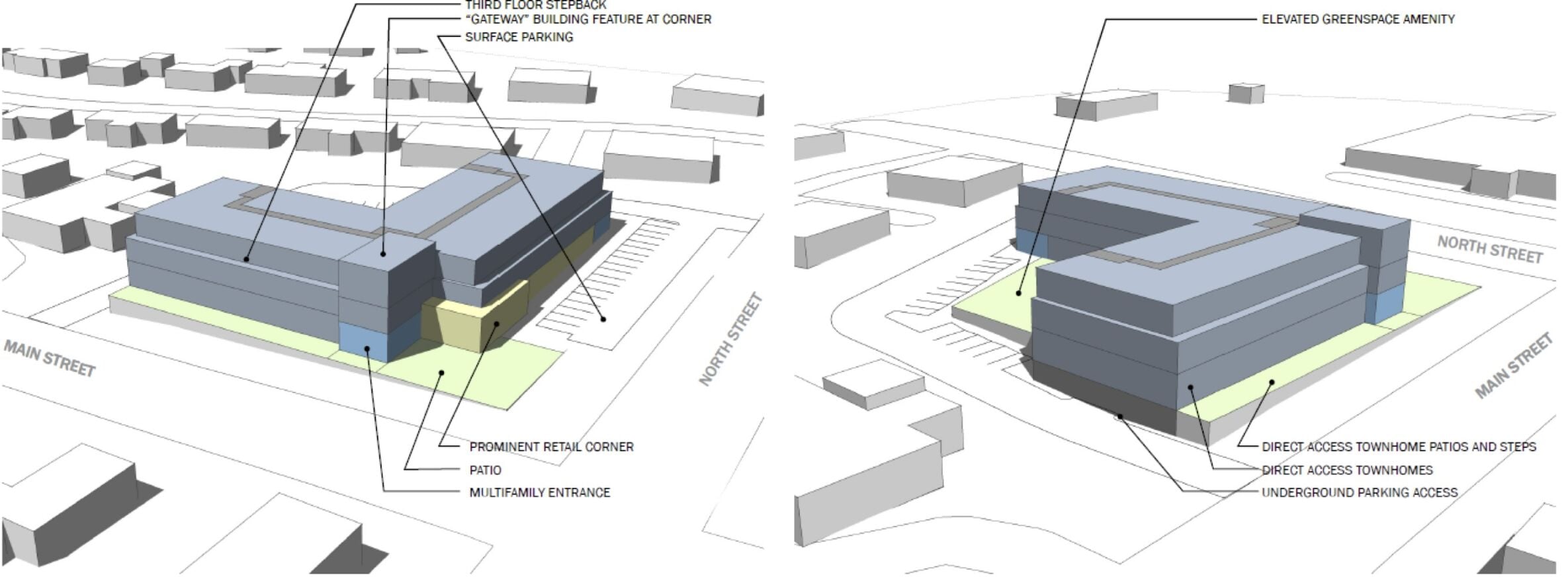
The Banks Transitional Living Program (TLP) is a new micro-neighborhood under construction on the SLR campus. It is designed to bridge the gap between intensive residential care and independent living, providing a supportive framework for long-term success. The program’s design and objectives are intrinsically linked to a holistic vision of sustainable development.
Core Objectives and SDG Alignment
- SDG 3: Good Health and Well-being: The TLP’s primary mission is to promote mental health and well-being by preventing relapse and strengthening the treatment of substance abuse (Targets 3.4 and 3.5). It provides a continuum of care that equips residents with skills for lifelong recovery.
- SDG 8: Decent Work and Economic Growth: Through vocational counseling and the development of independent living skills, the program prepares residents for productive employment and economic self-sufficiency (Target 8.5).
- SDG 11: Sustainable Cities and Communities: The TLP is structured as an inclusive and safe community, providing residents with access to safe and affordable housing with supportive services, a key component of sustainable community development (Target 11.1).
Program Structure and Continuum of Care
SLR provides a multi-stage therapeutic process that begins with its established residential program and extends through the new transitional living facilities.
Primary Residential Program
Clients entering SLR often come from intensive inpatient facilities with diagnoses that include depression, anxiety, schizophrenia, and bipolar disorder. Approximately 80% present with a dual diagnosis of mental health and substance use challenges.
- Therapeutic Model: Residents participate in a farm-based therapeutic work program, which fosters responsibility, skill development, and connection to nature, contributing to responsible production patterns (SDG 12).
- Clinical Support: The work program is integrated with comprehensive clinical care within a supportive community environment.
- Duration: The typical stay is individualized, generally lasting 6-8 months before residents are eligible for transitional care.
Transitional Living Program (TLP)
The 12-bed Banks TLP offers a structured environment for residents to practice independence while receiving tailored support.
- Housing: New facilities include apartments and suites with private balconies, designed to foster a sense of peace and personal space. A central community center will serve as a hub for social and support activities.
- Customized Services: Residents and families can select from various service packages, ensuring care is aligned with individual needs. Core services include:
- Continued clinical support and coaching
- Recovery accountability
- Vocational counseling
- Independent living skills development
- Extended Support: The Pathways to Activities, Socializing, & Support (PASS) program offers continued assistance for residents after they transition to off-site living, reinforcing the commitment to long-term well-being (SDG 3).
Financial Framework and Commitment to Social Equity
Addressing Financial Barriers to Reduce Inequalities (SDG 10)
While the specialized care offered by the TLP is not currently covered by insurance, SLR has implemented a financial model aimed at reducing inequality in access to mental healthcare (Target 10.2).
- Flexible Service Model: A package-based pricing structure allows families to choose the most financially feasible plan.
- Financial Aid Program: SLR actively encourages residents to apply for financial aid. Currently, 30-40% of residents in the primary program receive aid, covering up to 80% of costs.
- Strategic Goal for Equity: The organization has set a goal to double the amount of financial aid distributed by 2030, demonstrating a firm commitment to making its effective model of care more accessible.
- Sustainable Funding: Financial aid is supported by donors and revenue from the sale of Ranch-made products, reflecting a model of sustainable and responsible production (SDG 12).
Strategic Investment and Partnerships for the Goals (SDG 17)
The realization of the Banks TLP is contingent on building strong partnerships with the community and stakeholders who share a commitment to advancing mental healthcare.
Capital Campaign and Community Investment
- Campaign Goal: SLR launched a three-year, $18 million Capital Campaign to fund the TLP construction and other necessary campus upgrades.
- Current Status: With one year remaining, the campaign seeks to raise the final $3 million.
- Call for Partnership: The campaign appeals to a broad base of supporters passionate about mental health, emphasizing that investing in individuals’ recovery creates stronger, more resilient communities for all.
The Banks Transitional Living Program is scheduled to begin accepting residents in 2026. This initiative represents a significant step forward in creating a comprehensive and sustainable continuum of mental healthcare that aligns with global development priorities.
1. Which SDGs are addressed or connected to the issues highlighted in the article?
SDG 3: Good Health and Well-being
- The article’s primary focus is on addressing mental health and substance use challenges. It describes a program for individuals experiencing “mental health crisis,” “depression, anxiety, schizophrenia, and bipolar disorder,” and for whom “80% have dual diagnosis, which means they are experiencing both mental health and substance use challenges.” The Spring Lake Ranch (SLR) program aims to promote “mental wellness and recovery” and break the “cycle of relapse and crisis.”
SDG 8: Decent Work and Economic Growth
- The program supports residents in reintegrating into the economy and society. It provides “vocational counseling” and opportunities to “go to school, or work off-site.” The ultimate goal is to empower residents to become “future neighbors, coworkers, and community leaders,” thus contributing to productive employment.
SDG 10: Reduced Inequalities
- The article highlights the inequality in access to specialized mental health care, noting that “insurance does not currently cover” the costs. SLR addresses this by providing significant financial aid, with “30-40% of residents receive financial aid… covering up to 80% of costs,” and has a stated goal to “double the amount of aid distributed to residents by 2030.” This effort directly aims to reduce financial barriers to essential health services.
SDG 11: Sustainable Cities and Communities
- The article discusses the construction of the Banks Transitional Living Program (TLP), a “micro-neighborhood currently being constructed” with “three new apartment buildings and a community center.” This initiative provides safe, supportive, and adequate housing designed to “bridge the gap between residential care and independent living” for a vulnerable population.
2. What specific targets under those SDGs can be identified based on the article’s content?
SDG 3: Good Health and Well-being
- Target 3.4: By 2030, reduce by one-third premature mortality from non-communicable diseases through prevention and treatment and promote mental health and well-being.
- The article describes SLR’s mission to provide long-term care that promotes “mental wellness and recovery” and helps residents “escape the cycle of relapse and crisis,” directly aligning with the promotion of mental health and well-being.
- Target 3.5: Strengthen the prevention and treatment of substance abuse, including narcotic drug abuse and harmful use of alcohol.
- The program specifically caters to individuals with substance use challenges, as “80% have dual diagnosis.” It provides “accountability in recovery” and a supportive community to strengthen treatment for substance abuse.
SDG 8: Decent Work and Economic Growth
- Target 8.6: By 2020, substantially reduce the proportion of youth not in employment, education or training.
- The program helps residents experiencing “‘failure to launch’ syndrome” by providing a structured path towards independence, including options to “go to school, or work off-site,” thereby reducing the number of young people not in employment, education, or training (NEET).
SDG 10: Reduced Inequalities
- Target 10.2: By 2030, empower and promote the social, economic and political inclusion of all, irrespective of… disability… or other status.
- By providing tools for long-term recovery, independent living skills, and vocational counseling, the program empowers individuals with mental health challenges to reintegrate socially and economically as “neighbors, coworkers, and community leaders.”
SDG 11: Sustainable Cities and Communities
- Target 11.1: By 2030, ensure access for all to adequate, safe and affordable housing and basic services and upgrade slums.
- The construction of the Banks TLP, a 12-bed facility with “apartments and suites,” directly creates new, safe, and specialized housing for a vulnerable group. The financial aid model is an attempt to make this housing more accessible and affordable.
3. Are there any indicators mentioned or implied in the article that can be used to measure progress towards the identified targets?
For Target 3.4 & 3.5 (Mental Health & Substance Abuse)
- Implied Indicator: Reduction in relapse rates. The article states the program’s goal is to help residents “escape the cycle of relapse and crisis.” Tracking the long-term outcomes and relapse rates of former residents would measure the program’s effectiveness.
- Indicator: Capacity of treatment facilities. The article mentions the expansion from the “6-bedroom pilot” to the new “12-bed Banks TLP,” indicating an increase in the number of individuals who can be served.
For Target 8.6 (Youth Employment/Education)
- Implied Indicator: Rate of employment and enrollment in education for program graduates. The program provides “vocational counseling” and pathways to “go to school, or work off-site.” Measuring the percentage of residents who successfully transition into employment or further education is a key performance indicator.
For Target 10.2 (Reduced Inequalities)
- Indicator: Amount and proportion of financial aid distributed. The article explicitly states that “30-40% of residents receive financial aid” and that SLR has a goal of “doubling the amount of aid distributed to residents by 2030.” These figures are direct measures of the effort to reduce financial inequality in access to care.
For Target 11.1 (Adequate Housing)
- Indicator: Number of specialized housing units created. The article specifies the construction of a “12-bed Banks TLP” with “apartments and suites,” providing a quantifiable measure of new housing available for this population.
4. Table of SDGs, Targets, and Indicators
| SDGs | Targets | Indicators |
|---|---|---|
| SDG 3: Good Health and Well-being | Target 3.4: Promote mental health and well-being. Target 3.5: Strengthen the prevention and treatment of substance abuse. |
|
| SDG 8: Decent Work and Economic Growth | Target 8.6: Reduce the proportion of youth not in employment, education or training. |
|
| SDG 10: Reduced Inequalities | Target 10.2: Empower and promote the social and economic inclusion of all. |
|
| SDG 11: Sustainable Cities and Communities | Target 11.1: Ensure access for all to adequate, safe and affordable housing. |
|
Source: vtdigger.org
What is Your Reaction?
 Like
0
Like
0
 Dislike
0
Dislike
0
 Love
0
Love
0
 Funny
0
Funny
0
 Angry
0
Angry
0
 Sad
0
Sad
0
 Wow
0
Wow
0