
















With Hunger Growing On Oʻahu, A Push To Put Food Security To A Vote – Honolulu Civil Beat
Report on the Proposal to Establish a Food Security Fund in Honolulu
Introduction
On December 15, the Honolulu Charter Commission conducted a preliminary hearing on a proposal aimed at enhancing food security for Oʻahu residents by allocating a portion of property tax revenue to a dedicated food security fund. This initiative aligns with the United Nations Sustainable Development Goals (SDGs), particularly SDG 2: Zero Hunger, and SDG 11: Sustainable Cities and Communities.
Proposal Overview
The proposal, submitted by the Hawaiʻi Foodbank among 276 others, recommends directing approximately $8 million annually from existing property tax revenues to support food-related programs across Oʻahu. The Charter Commission’s unanimous vote initiates a comprehensive review process, potentially culminating in a ballot measure in November 2026.
Objectives and Expected Impact
- Increase food security for approximately one in four Oʻahu residents currently experiencing food insecurity.
- Support programs such as mobile food pantries and local agricultural product distribution.
- Enhance emergency preparedness for food supply disruptions, critical in an island state importing 85-90% of its food.
This initiative supports SDG 2 by aiming to end hunger and improve nutrition, and SDG 12: Responsible Consumption and Production, through support of local food systems.
Current Food Security Challenges
- Approximately 250,000 Oʻahu residents face food insecurity; two-thirds endure very low food security, often skipping meals.
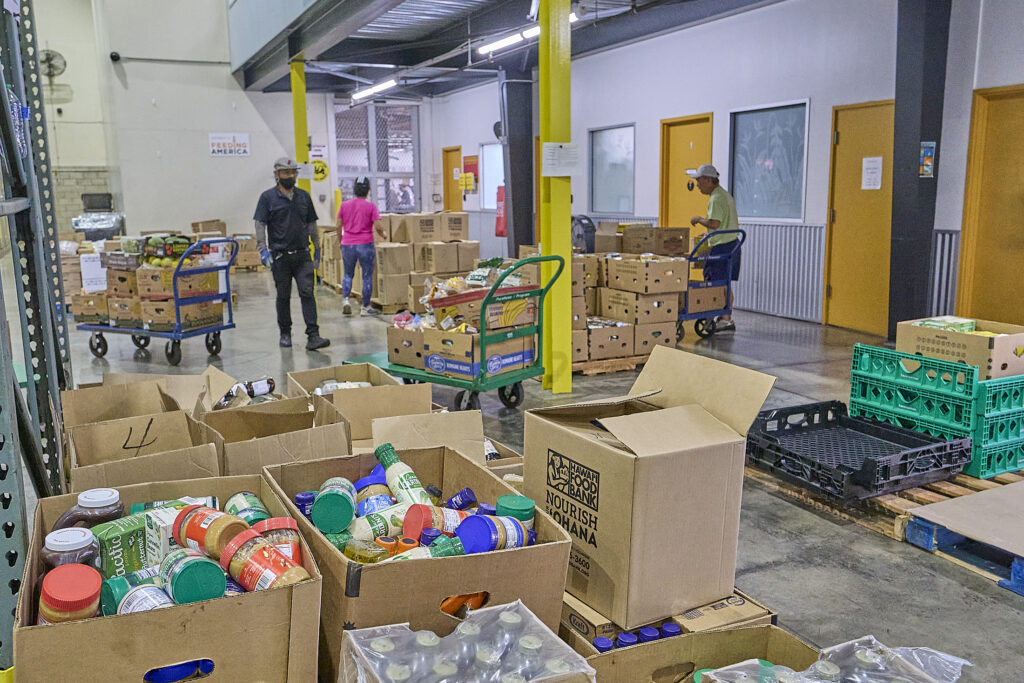
- The Hawaiʻi Foodbank is on track to distribute over 25 million pounds of food in 2025, matching pandemic-level demand.
- Families are forced to make difficult choices between food and medicine, highlighting urgent social vulnerabilities (SDG 3: Good Health and Well-being).
Funding Mechanism
The proposal does not introduce a new tax but reallocates existing property tax revenue. Currently, 1.5% of Honolulu’s property tax revenue funds three special programs: affordable housing, clean water and natural lands, and climate resiliency. The proposal increases this allocation to 2%, equally dividing funds among these three programs and the new food security fund.
- Ensures sustained funding for affordable housing (SDG 11).
- Supports environmental sustainability through clean water and natural lands (SDG 6: Clean Water and Sanitation, SDG 15: Life on Land).
- Addresses climate resilience (SDG 13: Climate Action).
- Establishes dedicated resources for food security (SDG 2).
Stakeholder Perspectives
- Supporters: Hawaiʻi Foodbank, Hawaiʻi Alliance for Progressive Action, Hawaiʻi Appleseed Center for Law and Economic Justice, emphasizing the fund’s role in public-private partnerships and long-term food system sustainability.
- Opponents: Tax Foundation of Hawaii, citing concerns over bypassing elected officials in budget decisions, emphasizing governance and fiscal process integrity.
Contextual Factors and Political Climate
- The proposal responds to increasing food insecurity exacerbated by recent federal SNAP program cuts affecting approximately 162,000 Hawaiʻi residents.
- The 43-day federal government shutdown in late 2025 further exposed vulnerabilities in food assistance systems.
- Local solutions are emphasized due to uncertainties in federal support, aligning with SDG 17: Partnerships for the Goals.
Public Engagement and Charter Commission Deliberations
The Charter Commission balances cautious amendment of the city charter with opportunities for direct voter engagement on pressing social issues. The proposal reflects public concern for food security and resource allocation efficiency.
Implementation Considerations
- The Hawaiʻi Foodbank is the likely primary recipient of funds, leveraging existing partnerships with over 200 local organizations.
- Final allocation decisions rest with city authorities, ensuring accountability and alignment with community needs.
Conclusion
The proposed food security fund represents a strategic initiative to address hunger and food system resilience on Oʻahu, directly contributing to multiple Sustainable Development Goals. Its success depends on continued stakeholder collaboration, public support, and effective governance.
1. Sustainable Development Goals (SDGs) Addressed or Connected
- SDG 2: Zero Hunger
- The article focuses on food insecurity and hunger issues on Oʻahu, highlighting efforts to create a food security fund to support food assistance programs.
- SDG 3: Good Health and Well-being
- Food insecurity affects health, as noted by families skipping meals and kūpuna choosing between food and medicine.
- SDG 11: Sustainable Cities and Communities
- The proposal involves local government action and community resilience through funding food security and emergency preparedness.
- SDG 12: Responsible Consumption and Production
- Supporting local agricultural products and planning for food supply disruptions aligns with sustainable consumption and production.
- SDG 13: Climate Action
- The fund is linked to climate resiliency efforts and emergency preparedness for food supply disruptions exacerbated by climate factors.
2. Specific Targets Under Those SDGs Identified
- SDG 2: Zero Hunger
- Target 2.1: End hunger and ensure access by all people to safe, nutritious, and sufficient food all year round.
- Target 2.2: End all forms of malnutrition, including achieving targets on stunted and wasted children under 5 years of age.
- Target 2.a: Increase investment, including through enhanced international cooperation, in rural infrastructure, agricultural research, and food distribution systems.
- SDG 3: Good Health and Well-being
- Target 3.8: Achieve universal health coverage, including access to essential medicines and nutrition.
- SDG 11: Sustainable Cities and Communities
- Target 11.5: Reduce the number of deaths and the number of people affected by disasters, including food supply disruptions.
- Target 11.b: Increase the number of cities adopting and implementing integrated policies for resilience to disasters.
- SDG 12: Responsible Consumption and Production
- Target 12.2: Achieve sustainable management and efficient use of natural resources, including local food production.
- SDG 13: Climate Action
- Target 13.1: Strengthen resilience and adaptive capacity to climate-related hazards and natural disasters.
3. Indicators Mentioned or Implied to Measure Progress
- Food Insecurity Rates
- One in four residents are food insecure; two-thirds of those have very low food security.
- Indicator: Proportion of population experiencing moderate or severe food insecurity.
- Food Distribution Volume
- Food bank distributing over 25 million pounds of food annually.
- Indicator: Quantity of food distributed to vulnerable populations.
- SNAP Benefit Coverage
- Number of residents receiving SNAP benefits (about 162,000) and impact of SNAP cuts (estimated 13,000 losing benefits).
- Indicator: Number of people receiving social protection benefits related to food security.
- Emergency Preparedness
- Planning for food needs during emergencies disrupting supply chains.
- Indicator: Existence and effectiveness of emergency food supply plans.
- Funding Allocation
- Percentage of property tax revenue allocated to food security fund (proposed increase from 1.5% to 2%).
- Indicator: Proportion of local government budget dedicated to food security programs.
4. Table of SDGs, Targets, and Indicators
| SDGs | Targets | Indicators |
|---|---|---|
| SDG 2: Zero Hunger |
|
|
| SDG 3: Good Health and Well-being |
|
|
| SDG 11: Sustainable Cities and Communities |
|
|
| SDG 12: Responsible Consumption and Production |
|
|
| SDG 13: Climate Action |
|
|
Source: civilbeat.org
What is Your Reaction?
 Like
0
Like
0
 Dislike
0
Dislike
0
 Love
0
Love
0
 Funny
0
Funny
0
 Angry
0
Angry
0
 Sad
0
Sad
0
 Wow
0
Wow
0