
















Yellowstone’s Wolves And The Controversy Racking Ecologists Right Now – IFLScience
Report on the Ecological Impact of Wolf Reintroduction in Yellowstone National Park
Introduction: A Case Study in Ecosystem Restoration and Sustainable Development Goal 15
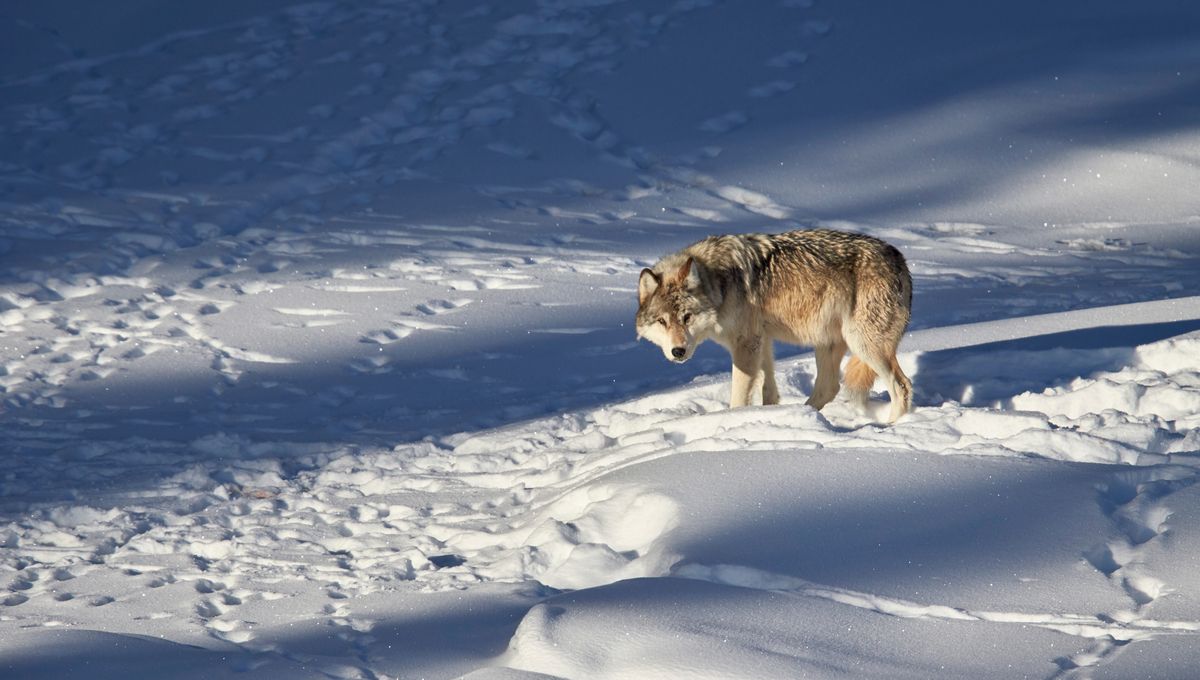
The reintroduction of the gray wolf to Yellowstone National Park in 1995 represents a landmark initiative in ecological restoration. This project serves as a critical case study for achieving the United Nations Sustainable Development Goal 15 (Life on Land), which aims to protect, restore, and promote the sustainable use of terrestrial ecosystems and halt biodiversity loss. The removal of wolves, an apex predator and keystone species, in the early 20th century led to significant ecological imbalance. Their return initiated a process of ecosystem recovery known as a trophic cascade, the effects of which are the subject of ongoing scientific assessment and debate.
The Trophic Cascade Effect and its Contribution to SDG 15
Restoring Ecological Balance
The absence of wolves for approximately 70 years resulted in profound changes to the Yellowstone ecosystem, primarily through the unchecked growth of the elk population. This had cascading negative effects, directly undermining the principles of SDG 15.
- Vegetation Degradation: Increased elk browsing suppressed the growth of deciduous woody plants, including aspen, willows, and cottonwoods.
- Loss of Biodiversity: The decline in specific flora impacted other species dependent on those habitats.
- Ecosystem Imbalance: The removal of a key predator disrupted the natural structure and function of the food web.
The reintroduction of wolves was intended to re-establish this top-down pressure, thereby restoring the ecosystem’s integrity. This action directly aligns with SDG Target 15.5: “Take urgent and significant action to reduce the degradation of natural habitats, halt the loss of biodiversity and, by 2020, protect and prevent the extinction of threatened species.”
Initial Findings on Ecosystem Recovery
Research led by Professor Bill Ripple of Oregon State University has provided significant evidence of a strong trophic cascade following the wolves’ return. These findings highlight progress toward achieving SDG 15.
- Elk Population Control: Wolf predation has helped manage elk numbers, reducing browsing pressure on vegetation.
- Vegetation Regeneration: A study utilizing data from 2001 to 2020 concluded that the crown volume of willows in the park’s northern range increased 16-fold. This recovery of flora is crucial for habitat restoration.
- Broader Ecological Benefits: The resurgence of plant life contributes to improved habitat for other species and enhances the ecosystem’s carbon sequestration capacity, offering co-benefits for SDG 13 (Climate Action).
Scientific Scrutiny and Methodological Debate
A Challenge to the Magnitude of the Cascade
The scientific process, essential for informing effective conservation strategies under SDG 17 (Partnerships for the Goals), involves rigorous peer review. A rebuttal was published challenging the conclusions of Ripple et al., arguing that the reported strength of the trophic cascade was overstated due to methodological issues.
Key Points of Contention:
- Methodological Flaws: The critics argued that the relationship used to calculate willow volume from height was tautological and that the geometric shapes used for modeling were inaccurate.
- Data Inconsistencies: Concerns were raised about the consistency of data collection over the study period.
- Comparative Analysis: The rebuttal questioned the comparison of the Yellowstone data with a global meta-analysis, suggesting the studies were not directly comparable.
- Risk of Bias: The use of photographic evidence was cited as a potential source of visual confirmation bias.
Response and Ongoing Research
Professor Ripple’s team has prepared a detailed response, defending their original methodology and conclusions. They maintain that their measurements were empirically based and that their findings, while different from other studies, reflect the specific focus on willow volume as a metric for recovery. This ongoing scientific dialogue underscores the complexity of ecological systems and the importance of continued research to guide conservation policy.
Conclusion: Implications for Global Conservation Efforts
The reintroduction of wolves to Yellowstone remains a powerful example of proactive ecosystem restoration in line with SDG 15. While the precise magnitude of the resulting trophic cascade is a subject of scientific debate, the overall positive impact on the ecosystem is widely acknowledged. The case highlights several key takeaways for global conservation:
- The critical role of keystone species in maintaining ecosystem health and biodiversity.
- The potential for targeted reintroduction programs to reverse decades of environmental degradation.
- The necessity of long-term monitoring and robust scientific inquiry to understand and manage complex ecological processes.
The Yellowstone experience provides invaluable lessons and a model for future restoration projects worldwide, demonstrating a tangible pathway to achieving the targets set forth in the Sustainable Development Goals for protecting life on land.
Analysis of Sustainable Development Goals in the Article
1. Which SDGs are addressed or connected to the issues highlighted in the article?
-
SDG 15: Life on Land
- This is the most prominent SDG addressed in the article. The entire text revolves around the protection, restoration, and promotion of a terrestrial ecosystem—Yellowstone National Park. It discusses the reintroduction of a keystone species (wolves), the impact on biodiversity (elk, willows, aspens), and the efforts to restore the natural balance of the ecosystem, which are all central themes of SDG 15.
2. What specific targets under those SDGs can be identified based on the article’s content?
-
Target 15.1: Ensure the conservation, restoration and sustainable use of terrestrial and inland freshwater ecosystems and their services.
- The article is a case study in ecosystem restoration. The reintroduction of wolves in 1995 was a deliberate action to restore the Yellowstone ecosystem after a 70-year absence of its apex predator. The text details the “cascade of ecological changes” and how the restoration of this key predator led to the recovery of plant life, such as willows and aspens.
-
Target 15.5: Take urgent and significant action to reduce the degradation of natural habitats, halt the loss of biodiversity and, by 2020, protect and prevent the extinction of threatened species.
- The article describes how the removal of wolves led to habitat degradation, as “elk began to increasingly browse deciduous plants, preventing the normal growth of young aspen, willows, cottonwoods, and others.” The reintroduction of wolves is a direct action to halt this degradation and restore biodiversity. It also represents a significant effort to protect a species that had been locally extirpated (“by the late 1920s, they were gone”).
-
Target 15.7: Take urgent action to end poaching and trafficking of protected species of flora and fauna and address both demand and supply of illegal wildlife products.
- While not about modern poaching, the article directly addresses the historical, government-sanctioned elimination of a species. It states that the wolves’ loss was “totally purposeful” and that the US government pursued “an official policy of hunting wolves.” The reintroduction program and the subsequent protection of wolves and other animals like grizzly bears (“live in safety”) represent a reversal of this policy and align with the goal of protecting species from targeted destruction.
3. Are there any indicators mentioned or implied in the article that can be used to measure progress towards the identified targets?
-
Indicators for Ecosystem Restoration (Target 15.1 & 15.5):
- Population of Keystone Species: The successful reintroduction and establishment of the wolf population after a 70-year absence is a primary indicator of progress.
- Change in Herbivore Population: The article mentions that “Elk numbers are down from their historic highs, back to more manageable levels for the ecosystem,” which serves as an indicator of a restored predator-prey balance.
- Vegetation Recovery and Volume: The article provides a specific, quantitative indicator of habitat restoration. It cites a study concluding that “the volume of willows in the park had undergone a massive 16-fold increase” between 2001 and 2020. The use of “crown volume as a three-dimensional measure of plant recovery” is another specific metric mentioned.
- Biodiversity of Large Carnivores: The article notes that the wolf reintroduction “completed the park’s large carnivore guild,” and mentions the presence of grizzly bears and cougars, indicating a healthier, more complete ecosystem.
4. Summary Table of SDGs, Targets, and Indicators
| SDGs | Targets | Indicators |
|---|---|---|
| SDG 15: Life on Land | 15.1: Ensure the conservation and restoration of terrestrial ecosystems. |
|
| SDG 15: Life on Land | 15.5: Halt biodiversity loss and protect threatened species. |
|
| SDG 15: Life on Land | 15.7: Take urgent action to end poaching and trafficking of protected species. |
|
Source: iflscience.com
What is Your Reaction?
 Like
0
Like
0
 Dislike
0
Dislike
0
 Love
0
Love
0
 Funny
0
Funny
0
 Angry
0
Angry
0
 Sad
0
Sad
0
 Wow
0
Wow
0