

























































Zika and dengue cases confirmed on Oahu – Hawaii News Now
Report on Travel-Related Cases of Zika and Dengue Viruses in Oahu, Hawaii
Overview
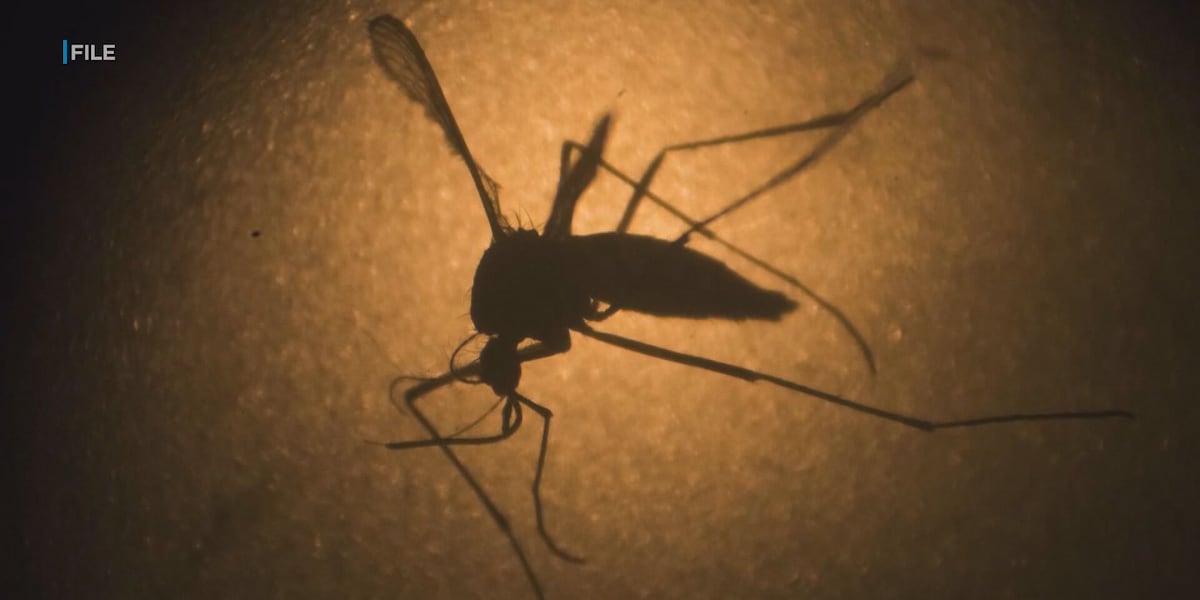
The Hawaii Department of Health (DOH) has confirmed two travel-related cases of mosquito-borne viruses on Oahu: one case of Zika virus and one case of dengue virus. These cases are independent of each other and unrelated to any previously reported cases within Hawaii.
This marks the first confirmed Zika virus case on Oahu in 2026. The dengue virus case is recorded as the 15th case in Hawaii for the year 2026, based on symptom onset.
Context and Global Health Implications
Zika virus cases were more prevalent in Hawaii between 2015 and 2019, coinciding with a period of rapid global circulation of the virus. Dengue fever remains a year-round health risk in many tropical and subtropical regions worldwide.
Countries and U.S. territories currently experiencing increased dengue cases or outbreaks include:
- Samoa
- Philippines
- Vietnam
- Colombia
- Cuba
- Nicaragua
- Puerto Rico
- American Samoa
Public Health Response and Sustainable Development Goals (SDGs)
The DOH has deployed teams to conduct outreach, inspections, and mosquito control activities in affected areas to prevent local transmission. Continuous monitoring of mosquito populations is underway, with additional interventions planned as necessary.
This response aligns with the following Sustainable Development Goals:
- SDG 3: Good Health and Well-being – by preventing the spread of infectious diseases and promoting health security.
- SDG 6: Clean Water and Sanitation – through vector control efforts that reduce mosquito breeding sites.
- SDG 11: Sustainable Cities and Communities – by ensuring safe and healthy living environments.
- SDG 17: Partnerships for the Goals – through collaboration between health authorities and communities.
Symptoms of Zika and Dengue Viruses
Zika Virus Symptoms
- Fever, rash, headache, joint pain, red eyes, and muscle pain
- Symptoms are typically mild and last from a few days to one week
- Approximately 80% of infections are asymptomatic
Dengue Virus Symptoms
- Fever, nausea, vomiting, rash, and body aches
- Symptoms can range from mild to severe
Recommendations for Healthcare Providers and the Public
- Doctors and patients suspecting Zika or dengue infections should contact the Disease Reporting Line at (808) 586-4586.
- For detailed information, visit the Disease Outbreak Control Division and the Vector Control Branch websites.
Copyright 2026 Hawaii News Now. All rights reserved.
1. Sustainable Development Goals (SDGs) Addressed or Connected
- SDG 3: Good Health and Well-being
- The article focuses on the identification and monitoring of Zika and dengue virus cases, which are significant public health concerns.
- Efforts by the Hawaii Department of Health (DOH) to control mosquito populations and conduct outreach relate directly to improving health outcomes.
- SDG 6: Clean Water and Sanitation
- Although not explicitly mentioned, mosquito control efforts often involve managing standing water, which is related to sanitation and water management.
- SDG 11: Sustainable Cities and Communities
- Vector control and disease outbreak management contribute to making communities safer and more resilient to health risks.
2. Specific Targets Under Those SDGs Identified
- SDG 3: Good Health and Well-being
- Target 3.3: By 2030, end the epidemics of AIDS, tuberculosis, malaria, and neglected tropical diseases and combat hepatitis, water-borne diseases, and other communicable diseases.
- Target 3.d: Strengthen the capacity of all countries for early warning, risk reduction, and management of national and global health risks.
- SDG 6: Clean Water and Sanitation
- Target 6.2: Achieve access to adequate and equitable sanitation and hygiene for all and end open defecation, paying special attention to the needs of women and girls and those in vulnerable situations (implied through mosquito control efforts).
- SDG 11: Sustainable Cities and Communities
- Target 11.6: Reduce the adverse per capita environmental impact of cities, including by paying special attention to air quality and municipal and other waste management (implied through vector control and environmental management).
3. Indicators Mentioned or Implied to Measure Progress
- Incidence of Zika and Dengue Virus Cases
- The article mentions confirmed cases of Zika and dengue, which can be used as indicators to measure the prevalence and control of these diseases (e.g., number of confirmed cases per year).
- Vector Control Activities
- Outreach, inspections, and mosquito control efforts by DOH teams imply monitoring indicators such as the number of mosquito breeding sites eliminated or reduction in mosquito population density.
- Reporting and Surveillance Systems
- The use of a Disease Reporting Line and monitoring of symptoms indicate indicators related to the effectiveness of disease surveillance and early warning systems.
4. Table of SDGs, Targets, and Indicators
| SDGs | Targets | Indicators |
|---|---|---|
| SDG 3: Good Health and Well-being |
|
|
| SDG 6: Clean Water and Sanitation |
|
|
| SDG 11: Sustainable Cities and Communities |
|
|
Source: hawaiinewsnow.com
What is Your Reaction?
 Like
0
Like
0
 Dislike
0
Dislike
0
 Love
0
Love
0
 Funny
0
Funny
0
 Angry
0
Angry
0
 Sad
0
Sad
0
 Wow
0
Wow
0

;Resize=620#)