














































;Resize=620#)







AGL divests 19.9% Tilt Renewables stake to fund battery storage expansion – Energy-Storage.News
Strategic Divestment by AGL Energy to Accelerate Sustainable Development Goals through BESS Expansion
Executive Summary
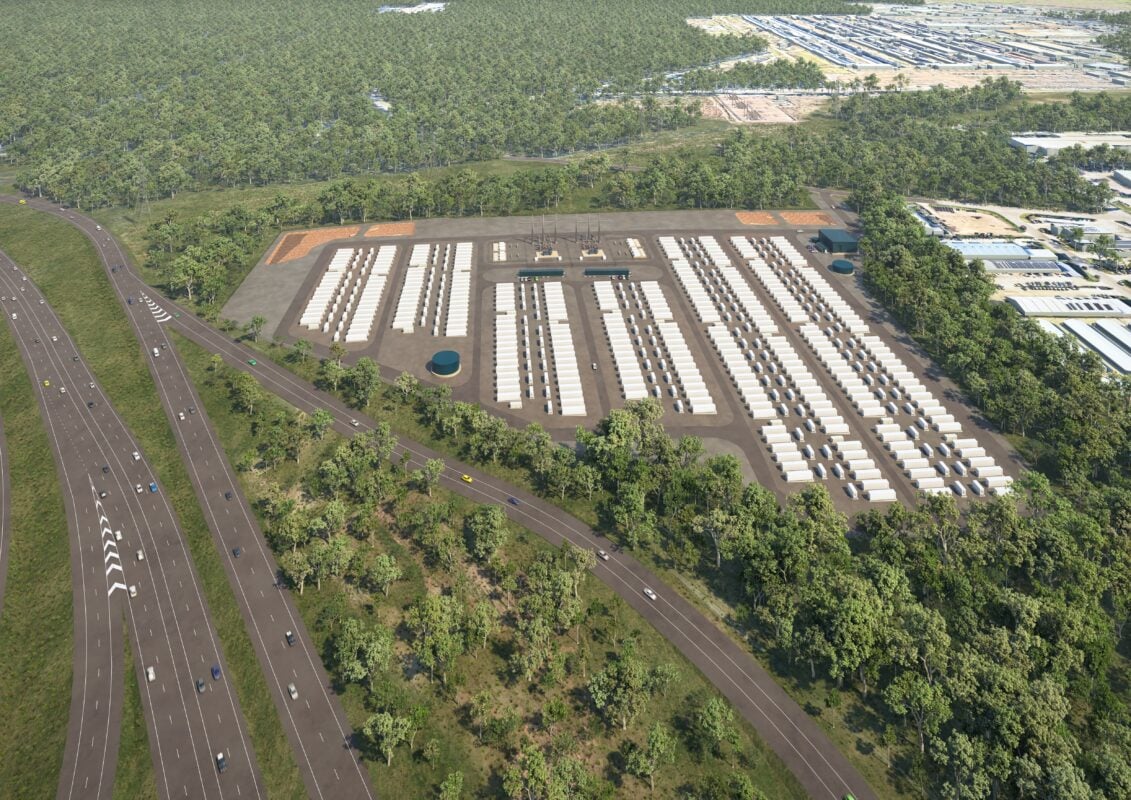
AGL Energy has executed a strategic divestment of its 19.9% stake in Tilt Renewables, securing AU$750 million. This capital reallocation is expressly intended to fund the expansion of Battery Energy Storage Systems (BESS), a critical initiative that directly supports the achievement of several United Nations Sustainable Development Goals (SDGs), particularly those concerning clean energy, climate action, and sustainable infrastructure.
Transaction Details
The key components of the financial transaction are as follows:
- Divesting Entity: AGL Energy
- Asset Sold: 19.9% shareholding in Tilt Renewables
- Acquiring Parties: A consortium led by QIC and the Future Fund
- Transaction Value: AU$750 million
- Primary Use of Proceeds: Investment in and expansion of AGL’s BESS portfolio
Strategic Rationale and Alignment with Global Goals
This divestment represents a strategic pivot to address a critical component of the clean energy transition. While Tilt Renewables focuses on renewable energy generation, the investment in BESS addresses the intermittent nature of these sources. By enhancing energy storage capacity, AGL is building the necessary infrastructure to ensure grid stability and reliability, thereby enabling a greater penetration of renewables. This action is in direct alignment with global efforts to create resilient and sustainable energy systems as outlined in the SDGs.
Direct Impact on Sustainable Development Goals (SDGs)
The reallocation of capital towards BESS development will have a significant and direct impact on the following SDGs:
- SDG 7: Affordable and Clean Energy: BESS infrastructure is fundamental to increasing the share of renewable energy in the global energy mix. By storing energy generated from wind and solar, these systems ensure a consistent and reliable power supply, making clean energy a more viable and affordable option for all.
- SDG 9: Industry, Innovation, and Infrastructure: This investment fosters innovation in energy technology and contributes to the development of resilient, sustainable infrastructure. BESS is a cornerstone of modernizing the energy grid to support future industrial and community needs.
- SDG 13: Climate Action: Expanding energy storage capacity is a crucial climate action strategy. It reduces the reliance on fossil fuel-based power plants, particularly during peak demand, which directly mitigates greenhouse gas emissions and strengthens resilience to climate-related hazards.
- SDG 11: Sustainable Cities and Communities: A stable and clean energy grid, supported by BESS, is essential for powering sustainable cities. It ensures that urban and rural communities have access to reliable electricity for homes, transport, and essential services.
- SDG 17: Partnerships for the Goals: The transaction between AGL, QIC, and the Future Fund exemplifies a multi-stakeholder partnership leveraging public and private finance to advance sustainable development.
Conclusion
AGL Energy’s divestment from Tilt Renewables to fund BESS expansion is a forward-looking corporate strategy that prioritizes the development of enabling technologies for a net-zero future. This move strongly aligns with Australia’s national climate targets and makes a material contribution to the global Sustainable Development Goals, reinforcing the critical role of energy storage in achieving a sustainable, reliable, and clean energy system.
1. Which SDGs are addressed or connected to the issues highlighted in the article?
-
SDG 7: Affordable and Clean Energy
The article’s core subject is the funding of Battery Energy Storage Systems (BESS), which are critical for increasing the reliability and adoption of renewable energy sources. This directly supports the transition to cleaner energy systems.
-
SDG 9: Industry, Innovation, and Infrastructure
The expansion of BESS represents a significant investment in sustainable and resilient energy infrastructure. This is an innovation within the energy industry aimed at modernizing the grid to support clean technologies.
-
SDG 11: Sustainable Cities and Communities
By enhancing grid stability and enabling a greater share of renewable energy, BESS projects contribute to creating more sustainable and resilient energy supplies for communities and urban areas.
-
SDG 13: Climate Action
The development of energy storage is a key strategy for climate change mitigation. It facilitates the displacement of fossil fuel-based power generation by enabling the large-scale integration of intermittent renewables like solar and wind, thereby reducing greenhouse gas emissions.
-
SDG 17: Partnerships for the Goals
The article describes a financial transaction involving multiple entities (AGL Energy, QIC, and a Future Fund-led consortium) to mobilize financial resources (AU$750 million) for sustainable development, specifically for clean energy infrastructure.
2. What specific targets under those SDGs can be identified based on the article’s content?
-
SDG 7: Affordable and Clean Energy
- Target 7.2: By 2030, increase substantially the share of renewable energy in the global energy mix. The article discusses funding for BESS, an enabling technology that allows for a higher penetration of variable renewable energy sources into the grid.
- Target 7.a: By 2030, enhance international cooperation to facilitate access to clean energy research and technology… and promote investment in energy infrastructure and clean energy technology. The divestment to fund BESS expansion is a direct example of promoting investment in clean energy infrastructure and technology.
-
SDG 9: Industry, Innovation, and Infrastructure
- Target 9.1: Develop quality, reliable, sustainable and resilient infrastructure… to support economic development and human well-being. BESS projects improve the reliability and resilience of the electricity grid, which is critical infrastructure.
- Target 9.4: By 2030, upgrade infrastructure and retrofit industries to make them sustainable… with greater adoption of clean and environmentally sound technologies. Investing in BESS is a direct upgrade to energy infrastructure using a clean technology.
-
SDG 13: Climate Action
- Target 13.2: Integrate climate change measures into national policies, strategies and planning. The expansion of energy storage is a key strategy for decarbonizing the electricity sector, which is a central part of national climate action plans.
-
SDG 17: Partnerships for the Goals
- Target 17.17: Encourage and promote effective public, public-private and civil society partnerships. The deal between AGL, QIC, and the Future Fund consortium to finance the BESS expansion is a form of private-sector partnership to mobilize resources for sustainable goals.
3. Are there any indicators mentioned or implied in the article that can be used to measure progress towards the identified targets?
-
Financial Investment (Indicator for Target 7.a and 17.17)
The article explicitly mentions the financial value of the divestment: AU$750 million. This amount is a direct, quantifiable indicator of the financial resources being mobilized for clean energy infrastructure.
-
Increased Energy Storage Capacity (Implied Indicator for Target 7.2 and 9.1)
While no specific capacity figures (e.g., in MW or MWh) are given, the article’s purpose is to “fund BESS expansion.” The resulting increase in installed battery storage capacity would be a key performance indicator for measuring progress towards a more resilient and renewable-ready grid.
-
Share of Renewables in the Energy Mix (Implied Indicator for Target 7.2)
The ultimate goal of expanding BESS is to allow for a greater share of renewable energy. Therefore, an increase in the percentage of energy generated from renewable sources in AGL’s or Australia’s energy mix would be an implied indicator of the project’s success.
4. Table of SDGs, Targets, and Indicators
| SDGs | Targets | Indicators |
|---|---|---|
| SDG 7: Affordable and Clean Energy | 7.2: Increase substantially the share of renewable energy in the global energy mix. 7.a: Promote investment in energy infrastructure and clean energy technology. |
– Implied: Increase in the share of renewable energy in the energy mix. – Implied: Increase in installed battery storage capacity (MW/MWh). – Mentioned: Financial investment in clean energy infrastructure (AU$750 million). |
| SDG 9: Industry, Innovation, and Infrastructure | 9.1: Develop quality, reliable, sustainable and resilient infrastructure. 9.4: Upgrade infrastructure… with greater adoption of clean and environmentally sound technologies. |
– Implied: Total investment in sustainable infrastructure. – Implied: Growth of installed capacity of clean technologies (BESS). |
| SDG 13: Climate Action | 13.2: Integrate climate change measures into national policies, strategies and planning. | – Implied: Reduction in greenhouse gas emissions from the energy sector as a result of displacing fossil fuels. |
| SDG 17: Partnerships for the Goals | 17.17: Encourage and promote effective public, public-private and civil society partnerships. | – Mentioned: Value of financial resources mobilized through partnerships for sustainable development (AU$750 million). |
Source: energy-storage.news
What is Your Reaction?
 Like
0
Like
0
 Dislike
0
Dislike
0
 Love
0
Love
0
 Funny
0
Funny
0
 Angry
0
Angry
0
 Sad
0
Sad
0
 Wow
0
Wow
0









