


























Birding in wild Florida: a quest for the common and the elusive – The Invading Sea
Report on Ecotourism and its Contribution to the Sustainable Development Goals
Wildlife observation, particularly avitourism (birding), represents a significant and growing sector of ecotourism. This activity serves not only as a recreational pursuit but also as a vital mechanism for advancing several of the United Nations Sustainable Development Goals (SDGs). By fostering a connection between individuals and the natural world, ecotourism provides a tangible pathway to support environmental conservation, promote sustainable economic growth, and build resilient communities.
Advancing SDG 15: Life on Land through Wildlife Observation
The core of wildlife viewing is intrinsically linked to the preservation of terrestrial ecosystems and biodiversity, a central tenet of SDG 15. The practice encourages the protection of habitats essential for the survival of countless species.
Biodiversity Awareness and Conservation
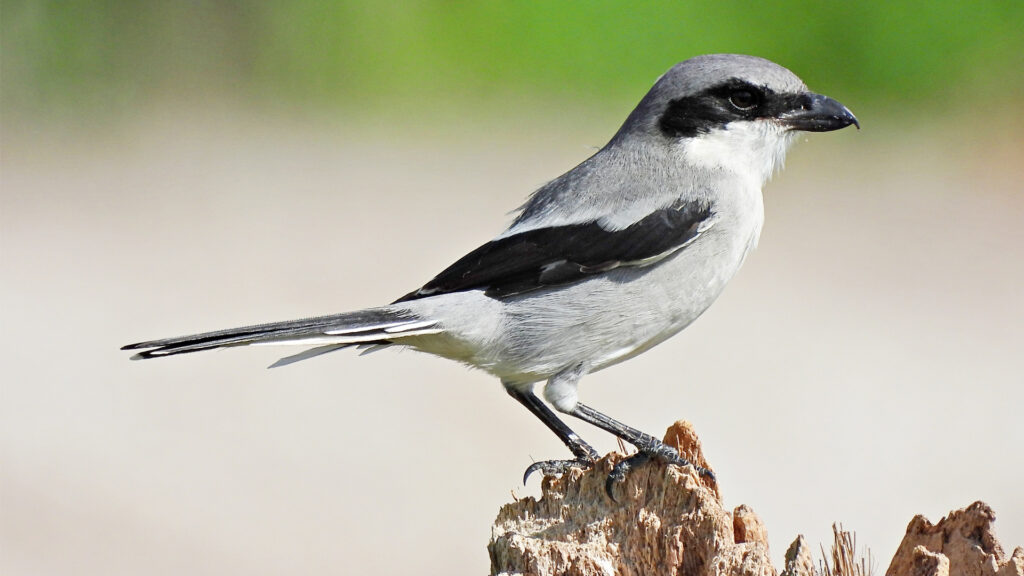
Engaging in activities like birding cultivates a deeper appreciation for biodiversity. The observation of species such as the loggerhead shrike, a predator known for its unique hunting methods, underscores the complexity and ferocity of natural ecosystems. This awareness is a critical first step toward public support for conservation initiatives aimed at protecting these species and their environments, directly contributing to the targets of SDG 15.
Principles of Responsible Observation
To ensure that wildlife viewing supports rather than harms ecosystems, practitioners must adhere to principles of responsible engagement. Key identification factors traditionally used by birders include:
- Size
- Shape
- Shade (Color)
- Sounds
- Space (Habitat)
These principles encourage a non-invasive approach that respects wildlife, minimizing human impact and aligning with the sustainable use of terrestrial ecosystems as promoted by SDG 15.
Socio-Economic Impacts on Sustainable Communities (SDG 8 & SDG 11)
Ecotourism is a powerful tool for local economic development, creating opportunities that are in harmony with environmental stewardship. This model directly supports SDG 8 (Decent Work and Economic Growth) and SDG 11 (Sustainable Cities and Communities).
Fostering Local Economic Growth
Natural areas in regions like Florida are increasingly recognized as valuable ecotourism destinations. This transition generates sustainable revenue streams for local communities through various activities:
- Guided tours for fishing, paddling, and wildlife viewing.
- Hospitality services for visiting tourists.
- Support for local artisans and businesses.
This economic model provides decent work and promotes a sustainable form of tourism that reinvests in the preservation of the natural assets upon which it depends.
Strengthening Community Engagement
The success of ecotourism relies on strong partnerships, a concept central to SDG 17 (Partnerships for the Goals). Engaging with local residents is crucial for a successful and sustainable experience. Local communities possess invaluable knowledge of regional ecosystems and wildlife patterns. By fostering dialogue between visitors and residents, ecotourism can empower local populations, ensure that economic benefits are distributed equitably, and preserve local heritage, thereby contributing to the creation of inclusive and sustainable communities under SDG 11.
Frameworks for Sustainable Wildlife Tourism
To maximize the positive impacts of ecotourism, structured frameworks and accessible resources are essential. These initiatives help manage tourist activities, protect sensitive environments, and educate the public, aligning with SDG 12 (Responsible Consumption and Production).
The Great Florida Birding and Wildlife Trail
The Great Florida Birding and Wildlife Trail serves as an exemplary model for sustainable tourism. It provides a structured network of sites for wildlife viewing, which achieves several key objectives:
- It directs tourists to locations that can sustain visitor traffic, minimizing ecological disruption.
- It offers educational resources that enhance visitor appreciation and understanding of local biodiversity.
- It promotes conservation by highlighting the economic and intrinsic value of protected natural areas.
Such initiatives are fundamental to establishing patterns of sustainable tourism and responsible consumption.
Conclusion: Integrating Recreation with Global Sustainability
In conclusion, recreational activities such as birding are more than a pastime; they are a critical component of a global strategy for sustainable development. By directly supporting the conservation of biodiversity (SDG 15), fostering sustainable economic opportunities (SDG 8), strengthening communities (SDG 11), and promoting responsible tourism (SDG 12), ecotourism demonstrates a powerful synergy between human activity and environmental preservation. Continued investment in and promotion of responsible ecotourism are essential for achieving a sustainable future for all.
Analysis of the Article in Relation to Sustainable Development Goals
1. Which SDGs are addressed or connected to the issues highlighted in the article?
-
SDG 8: Decent Work and Economic Growth
- The article connects to this goal by highlighting ecotourism as a source of economic activity. It states that “Local communities embrace the ecotourism dollars and the sustainability they can create,” linking wildlife viewing directly to local economic benefits and sustainable growth.
-
SDG 15: Life on Land
- This goal is central to the article’s theme. The entire piece is about appreciating and observing wildlife, specifically birds like the loggerhead shrike, in their natural habitats (“wild Florida,” “forest understory,” “marsh”). Promoting birding and wildlife viewing inherently supports the value of conserving terrestrial ecosystems and biodiversity.
-
SDG 12: Responsible Consumption and Production
- The article touches upon this goal through its promotion of sustainable tourism. Ecotourism, as described, is a form of consumption and production that is nature-based and aims for sustainability, contrasting with more extractive or damaging economic activities.
2. What specific targets under those SDGs can be identified based on the article’s content?
-
Target 8.9: Devise and implement policies to promote sustainable tourism that creates jobs and promotes local culture and products.
- The article directly supports this target by discussing how “more parts of wild Florida are becoming ecotourism destinations” and that these activities create “ecotourism dollars” for “local communities.” This describes the exact outcome that Target 8.9 aims to achieve.
-
Target 15.1: Ensure the conservation, restoration and sustainable use of terrestrial and inland freshwater ecosystems and their services.
- The promotion of birding and wildlife viewing in “wild places” implies the need for the conservation of these habitats. Ecotourism provides an economic incentive for the sustainable use and protection of these terrestrial ecosystems, which are the primary asset for the activity.
-
Target 15.5: Take urgent and significant action to reduce the degradation of natural habitats, halt the loss of biodiversity and, by 2020, protect and prevent the extinction of threatened species.
- By celebrating the observation of specific species like the loggerhead shrike and encouraging people to explore the “Great Florida Birding and Wildlife Trail,” the article implicitly advocates for the protection of these species and their habitats, which is the core of this target.
3. Are there any indicators mentioned or implied in the article that can be used to measure progress towards the identified targets?
-
Indicator 8.9.1: Tourism direct GDP as a proportion of total GDP and in growth rate.
- This indicator is implied by the phrase “ecotourism dollars.” The article suggests that money generated from ecotourism is a significant and positive financial input for local communities, which is what this indicator aims to measure.
-
Indicator related to the Red List Index (Indicator 15.5.1).
- While not explicitly mentioning the Red List Index, the article’s focus on observing specific bird species in their natural habitat implies the importance of biodiversity. The presence and observability of species like the loggerhead shrike serve as an informal, qualitative measure of the health of the local ecosystem and the success of conservation efforts that this indicator tracks formally.
-
Indicator related to sustainable tourism strategies (Indicator 12.b.1).
- The article’s reference to the “Great Florida Birding and Wildlife Trail” implies the existence of a strategy or implemented action plan for promoting sustainable tourism. This trail is a tool for organizing and promoting ecotourism, which aligns with the measurement of this indicator.
4. SDGs, Targets, and Indicators Summary
| SDGs | Targets | Indicators |
|---|---|---|
| SDG 8: Decent Work and Economic Growth | Target 8.9: Promote sustainable tourism that creates jobs and promotes local culture and products. | Implied Indicator 8.9.1: The mention of “ecotourism dollars” points to the economic contribution of tourism (Tourism direct GDP). |
| SDG 15: Life on Land | Target 15.1: Ensure the conservation and sustainable use of terrestrial ecosystems.
Target 15.5: Halt the loss of biodiversity. |
Implied Indicator 15.5.1: The focus on observing specific bird species in “wild Florida” serves as an informal measure of biodiversity health (related to the Red List Index). |
| SDG 12: Responsible Consumption and Production | Target 12.b: Develop and implement tools to monitor sustainable development impacts for sustainable tourism. | Implied Indicator 12.b.1: The reference to the “Great Florida Birding and Wildlife Trail” suggests an implemented action plan or strategy for sustainable tourism. |
Source: theinvadingsea.com
What is Your Reaction?
 Like
0
Like
0
 Dislike
0
Dislike
0
 Love
0
Love
0
 Funny
0
Funny
0
 Angry
0
Angry
0
 Sad
0
Sad
0
 Wow
0
Wow
0