
























































Bolsa Família program prevented 8.2 million hospitalizations and 713,000 deaths between 2004 and 2019 – Revista Pesquisa Fapesp
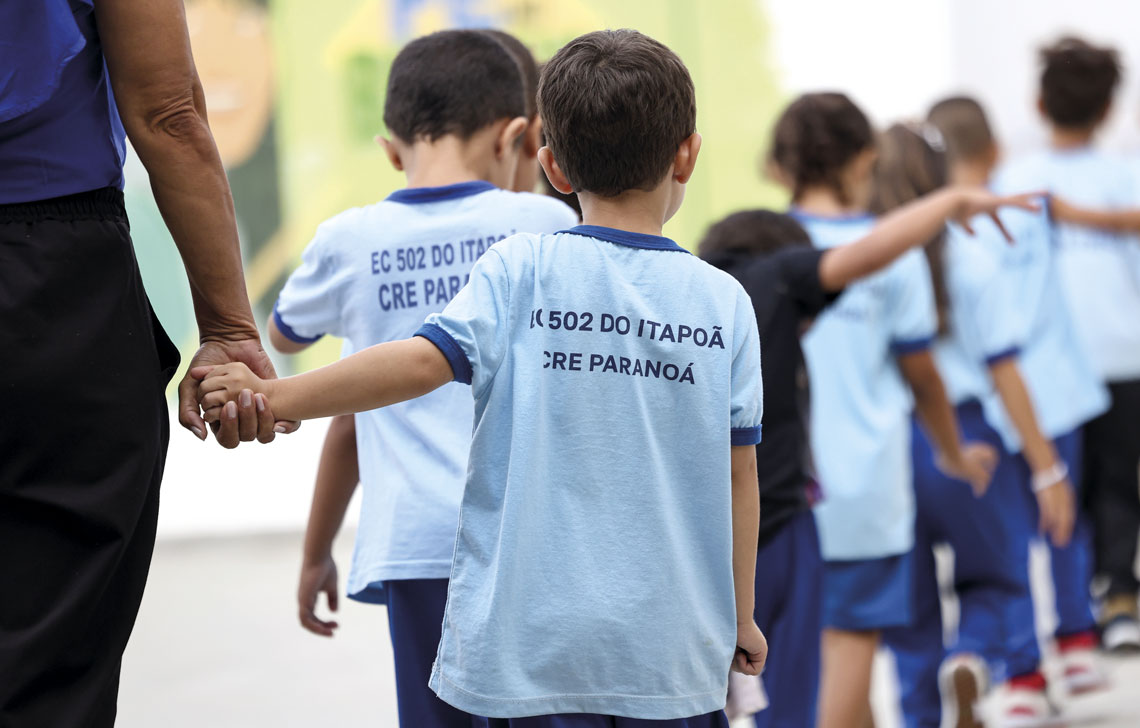
Impact of Bolsa Família on Health and Poverty Reduction in Brazil: A Sustainable Development Perspective
Introduction to Bolsa Família and Its Role in Poverty Alleviation
Bolsa Família, established in 2003, is one of the world’s largest conditional cash transfer programs, targeting low-income households in Brazil. As of late July 2025, approximately 19.6 million households, averaging 2.5 members each, received monthly payments averaging R$671.52. This amount, though modest, supports families—mainly headed by women—in meeting basic needs such as food, housing, and clothing.
The program aligns with the United Nations Sustainable Development Goals (SDGs), particularly:
- SDG 1: No Poverty
- SDG 2: Zero Hunger
- SDG 3: Good Health and Well-being
- SDG 4: Quality Education
- SDG 5: Gender Equality
Health Outcomes and Statistical Evidence
A comprehensive study published in The Lancet Public Health (July 2025) analyzed Bolsa Família’s impact on hospitalizations and mortality across 3,671 Brazilian municipalities from 2004 to 2019. Key findings include:
- Prevention of an estimated 8.2 million hospitalizations, representing at least 70% of annual hospitalizations within Brazil’s National Healthcare System (SUS).
- Prevention of approximately 713,000 deaths, nearly half of all annual deaths in Brazil during the study period.
- Reduction in hospitalizations by an average of 31% and mortality rates by 25% nationwide.
- Greater impact in municipalities with high program coverage (>70%), where hospitalizations fell by 22.5% and deaths by 27.7%.
- Significant mortality reduction among children under five (one-third) and hospitalization reduction among people over 70 (nearly 50%).
These outcomes contribute directly to achieving SDG 3 (Good Health and Well-being) by reducing preventable deaths and improving healthcare access.
Mechanisms of Impact Beyond Income Transfer
Bolsa Família’s conditionalities require beneficiaries to:
- Keep children aged 6 to 17 enrolled in school (supporting SDG 4: Quality Education).
- Ensure children under 7 receive vaccinations and nutritional monitoring.
- Require pregnant women to attend prenatal care appointments.
Noncompliance may lead to temporary suspension of benefits, promoting integration into public health and education systems. This approach supports SDG 3 and SDG 4, enhancing health outcomes and educational attainment.
Projected Future Impact and Expansion Scenarios
Using data from 2000 to 2022, projections to 2030 modeled three scenarios:
- Reduced coverage
- Steady coverage
- Expanded coverage—extending eligibility to families earning less than R$754.50 per person per month (approximately half Brazil’s minimum wage)
Under the expanded coverage scenario, an additional 8 million hospitalizations and 684,000 deaths could be prevented, further advancing SDG 1 and SDG 3.
Additional Health Benefits Documented
Research published in various peer-reviewed journals highlights Bolsa Família’s broader health impacts:
- 31% reduction in maternal mortality (JAMA Network Open, 2023)
- 17% lower risk of death from breast cancer (JAMA Network Open, 2024)
- 4% decline in cardiovascular disease mortality
- 31% reduction in extreme preterm births
- Decreased incidence and mortality from infectious diseases such as HIV/AIDS and tuberculosis
- Reduced hospital admissions related to alcohol, drug disorders, and psychiatric conditions
These outcomes contribute to SDG 3 by improving maternal and child health and combating communicable and non-communicable diseases.
Challenges and Areas for Improvement
Despite successes, challenges remain:
- Regional inequalities limit access to healthcare and education services, especially in remote areas, affecting program efficacy (SDG 10: Reduced Inequalities).
- Nutrition studies reveal that children in beneficiary families have lower meal frequency, less dietary variety, and higher consumption of ultra-processed foods, indicating ongoing nutritional vulnerabilities (SDG 2: Zero Hunger).
- Concerns about the program potentially discouraging formal employment have been mitigated by data showing beneficiaries fill a majority of new formal-sector jobs.
Program Evolution and Socioeconomic Impact
Since its inception, Bolsa Família has expanded from covering 1.15 million families in 2003 to a peak of 21.9 million in 2023. The program’s budget increased from 0.3% of Brazil’s GDP in 2004 to approximately 1.5% in 2024, reflecting strong governmental commitment to poverty reduction (SDG 1).
The program’s conditionalities promote education and health service utilization, contributing to SDG 3 and SDG 4, and have had a notable impact on gender equality (SDG 5) by supporting predominantly female-headed households.
Conclusion: Bolsa Família’s Role in Sustainable Development
Bolsa Família exemplifies an integrated social protection strategy that advances multiple Sustainable Development Goals by:
- Reducing poverty and hunger (SDG 1 and SDG 2)
- Improving health outcomes and reducing mortality (SDG 3)
- Enhancing educational attainment through conditionalities (SDG 4)
- Promoting gender equality by supporting women-headed households (SDG 5)
- Addressing inequalities, though further efforts are needed to overcome regional disparities (SDG 10)
While Bolsa Família has significantly contributed to Brazil’s social and health improvements, addressing structural causes of poverty remains essential for sustainable progress.
1. Sustainable Development Goals (SDGs) Addressed or Connected
- SDG 1: No Poverty
- The Bolsa Família program targets low-income households, aiming to reduce poverty and extreme poverty in Brazil.
- SDG 2: Zero Hunger
- Support for basic needs such as food and nutritional monitoring for children under 7 years.
- Efforts to reduce child malnutrition and stunted growth.
- SDG 3: Good Health and Well-being
- Reduction in premature births, infant mortality, infectious diseases, maternal mortality, and deaths from cardiovascular disease and breast cancer.
- Improved access to healthcare services through conditionalities like vaccination and prenatal care.
- SDG 4: Quality Education
- Requirement for children aged 6 to 17 to be enrolled in school as a condition for receiving benefits.
- SDG 5: Gender Equality
- Focus on households largely headed by women and noted impacts on women’s health and autonomy.
- SDG 10: Reduced Inequalities
- Targeting vulnerable populations, including Black mothers and low-income families, to reduce health and economic disparities.
2. Specific Targets Under Those SDGs Identified
- SDG 1: No Poverty
- Target 1.2: Reduce at least by half the proportion of people living in poverty in all its dimensions according to national definitions.
- SDG 2: Zero Hunger
- Target 2.2: End all forms of malnutrition, including achieving targets on stunted and wasted children under 5 years of age.
- SDG 3: Good Health and Well-being
- Target 3.1: Reduce the global maternal mortality ratio.
- Target 3.2: End preventable deaths of newborns and children under 5 years of age.
- Target 3.3: End epidemics of AIDS, tuberculosis, and other communicable diseases.
- Target 3.4: Reduce premature mortality from non-communicable diseases through prevention and treatment.
- Target 3.8: Achieve universal health coverage, including access to quality essential health-care services.
- SDG 4: Quality Education
- Target 4.1: Ensure that all girls and boys complete free, equitable and quality primary and secondary education.
- SDG 5: Gender Equality
- Target 5.5: Ensure women’s full and effective participation and equal opportunities for leadership at all levels.
- SDG 10: Reduced Inequalities
- Target 10.2: Empower and promote the social, economic and political inclusion of all, irrespective of age, sex, disability, race, ethnicity, origin, or economic status.
3. Indicators Mentioned or Implied to Measure Progress
- SDG 1 Indicators
- Proportion of population living below the national poverty line (households earning less than R$218 per person per month).
- Coverage rate of Bolsa Família among eligible households.
- SDG 2 Indicators
- Prevalence of stunted growth in children under 5 years.
- Complementary feeding indicators such as meal frequency, dietary diversity, and consumption of ultra-processed foods.
- SDG 3 Indicators
- Hospitalization rates and mortality rates across municipalities.
- Maternal mortality ratio.
- Infant mortality rate (deaths under age 5).
- Incidence and mortality rates of infectious diseases such as HIV/AIDS and tuberculosis.
- Deaths from cardiovascular diseases and breast cancer.
- Premature births, especially extreme preterm births before 28 weeks.
- SDG 4 Indicators
- School enrollment rates for children aged 6 to 17 years.
- SDG 5 Indicators
- Proportion of households headed by women receiving benefits.
- Health outcomes specifically for women, such as maternal mortality and breast cancer mortality rates.
- SDG 10 Indicators
- Mortality reduction among children of Black mothers compared to others.
- Employment rates among Bolsa Família beneficiaries.
4. Table: SDGs, Targets and Indicators
| SDGs | Targets | Indicators |
|---|---|---|
| SDG 1: No Poverty | Target 1.2: Reduce poverty by at least half according to national definitions. |
|
| SDG 2: Zero Hunger | Target 2.2: End all forms of malnutrition, including stunted growth in children under 5. |
|
| SDG 3: Good Health and Well-being |
|
|
| SDG 4: Quality Education | Target 4.1: Ensure completion of free, equitable, quality primary and secondary education. |
|
| SDG 5: Gender Equality | Target 5.5: Ensure women’s full participation and equal opportunities. |
|
| SDG 10: Reduced Inequalities | Target 10.2: Promote social, economic, and political inclusion of all. |
|
Source: revistapesquisa.fapesp.br
What is Your Reaction?
 Like
1
Like
1
 Dislike
0
Dislike
0
 Love
0
Love
0
 Funny
0
Funny
0
 Angry
0
Angry
0
 Sad
0
Sad
0
 Wow
1
Wow
1