
























































Eliminating extreme poverty: Kerala’s lessons for Asean countries – Eco-Business

Eliminating Extreme Poverty: Lessons from Kerala and Implications for ASEAN
Introduction
On 1 November 2025, the Chief Minister of Kerala, India, announced that the state had eliminated extreme poverty. This milestone, while sparking debates on definitions and measurements, was widely acknowledged as a result of addressing critical nutritional, health, and educational needs. Kerala’s achievement offers valuable insights for developing countries, including those in the ASEAN region, in advancing the United Nations Sustainable Development Goals (SDGs), particularly SDG 1 (No Poverty), SDG 2 (Zero Hunger), SDG 3 (Good Health and Well-being), and SDG 4 (Quality Education).
Poverty Trends in ASEAN
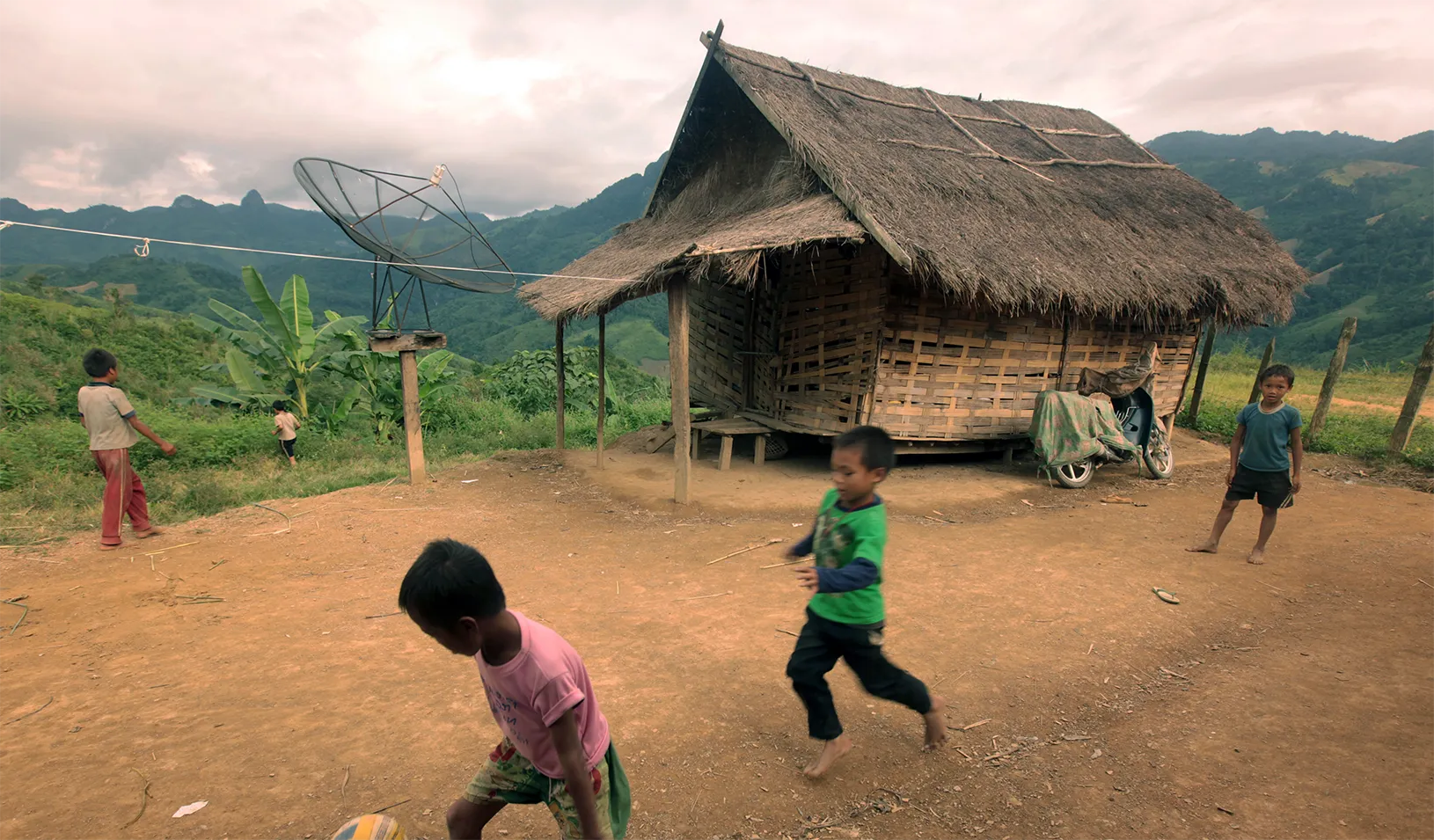
Despite significant reductions in poverty incidence across ASEAN, challenges remain, especially in the least developed countries (LDCs) such as Cambodia, Laos, Myanmar, and Timor-Leste. Additionally, populous middle-income countries like Indonesia, the Philippines, and Vietnam still face high numbers of poor or near-poor populations. Even wealthier nations like Thailand and Malaysia experience stark regional disparities with persistent pockets of poverty.
Economic Growth and Poverty Reduction
- Kerala’s Growth Trajectory: Kerala’s poverty rate was approximately 59.8% in 1973-74. Over the past two decades, the state achieved an annual growth rate of 6-7%, contributing significantly to poverty reduction.
- ASEAN Growth Comparison: Between 2000-2020, ASEAN countries grew at about 5% annually, while LDCs averaged 7-8%, leading to sharp declines in poverty rates, though levels remain unacceptably high.
- Limitations of Growth Alone: Kerala’s experience demonstrates that very high economic growth rates, such as China’s 9% annual growth over four decades, are neither necessary nor sufficient to eliminate poverty entirely.
Targeted Measures Beyond Economic Growth
As poverty incidence declines, the elasticity of poverty reduction relative to income growth diminishes. To uplift those who remain poor despite growth, targeted interventions are essential:
- Identification of Invisible Poor: Active grassroots monitoring with community participation, led by local governments, is crucial to identify individuals and households that slip through conventional safety nets.
- Robust Social Infrastructure: Rapid response systems providing basic needs such as food and medical care must be established to support vulnerable populations.
- Fiscal Prioritization: Kerala’s example reveals that even modest fiscal resources can be effectively allocated to social programs when priorities align with poverty eradication goals.
Sustainability and Resilience in Poverty Eradication
Kerala’s approach underscores the importance of sustainable and resilient poverty eradication strategies aligned with SDG 8 (Decent Work and Economic Growth) and SDG 10 (Reduced Inequalities):
- Transition to Self-Reliance: Social protection programs should aim to wean beneficiaries off support through gainful employment.
- Employment Generation: ASEAN countries must improve domestic investment climates to create jobs, especially for their young populations, to harness the demographic dividend.
- Addressing Youth Unemployment: Technological changes and protectionism threaten job security, necessitating proactive policies to support vulnerable workers.
Challenges and Governance
Effective governance is critical to poverty eradication efforts, as demonstrated by Kerala’s accountable and democratic processes. However, many ASEAN LDCs face governance challenges:
- Transparency International’s 2024 corruption index ranks ASEAN’s LDCs in the bottom third globally, highlighting the need for improved governance and institutional strengthening (SDG 16: Peace, Justice, and Strong Institutions).
- Good governance facilitates the implementation of targeted poverty measures and ensures accountability in resource allocation.
Equity in Human Development
Kerala’s success is partly attributed to equitable distribution in education, health, and consumption, achieved through sustained government prioritization of human development (SDG 3 and SDG 4). This contrasts with many ASEAN countries where inequalities remain pronounced.
Impact of the COVID-19 Pandemic
The COVID-19 pandemic exacerbated various forms of inequality, complicating poverty eradication efforts in developing ASEAN countries. Addressing these inequalities alongside poverty reduction policies is essential to meet the SDGs effectively.
Conclusion
Kerala’s experience offers a replicable model for ASEAN and other developing regions by demonstrating that:
- Extreme poverty can be tackled through prioritized investments in health, education, and targeted social safety nets.
- Proactive identification and monitoring of the poorest households via data-driven and community-led approaches are vital.
- Sustainable poverty eradication requires integrating economic growth with social protection, good governance, and resilience to economic and environmental shocks.
These lessons align closely with the Sustainable Development Goals and provide a pathway for ASEAN countries to accelerate poverty reduction in a sustainable and inclusive manner.
Authors
- Jayant Menon, Visiting Senior Fellow, Regional Economic Studies Programme, ISEAS – Yusof Ishak Institute
- Dr. Vinod Thomas, Visiting Senior Fellow, ISEAS – Yusof Ishak Institute; Former Visiting Professor, National University of Singapore
Original article first published on Fulcrum, ISEAS – Yusof Ishak Institute’s blogsite.
1. Sustainable Development Goals (SDGs) Addressed or Connected to the Issues Highlighted in the Article
- SDG 1: No Poverty
- The article focuses primarily on the elimination of extreme poverty, as demonstrated by Kerala’s achievement and the ongoing challenges in ASEAN countries.
- SDG 2: Zero Hunger
- Addressing nutritional needs is mentioned as part of Kerala’s approach to eliminating extreme poverty.
- SDG 3: Good Health and Well-being
- Provision of medical care and health investments are highlighted as critical components in poverty eradication.
- SDG 4: Quality Education
- Education is emphasized as a priority investment contributing to human development and poverty reduction.
- SDG 8: Decent Work and Economic Growth
- Economic growth and employment generation are discussed as essential for poverty reduction and sustainability.
- SDG 10: Reduced Inequalities
- The article mentions regional disparities, inequality exacerbated by the COVID-19 pandemic, and the need for equitable social distribution.
- SDG 16: Peace, Justice and Strong Institutions
- Good governance, accountability, and combating corruption are identified as necessary for poverty eradication.
2. Specific Targets Under Those SDGs Identified Based on the Article’s Content
- SDG 1: No Poverty
- Target 1.1: Eradicate extreme poverty for all people everywhere.
- Target 1.3: Implement nationally appropriate social protection systems and measures for all.
- Target 1.5: Build resilience of the poor and reduce their exposure to economic, social, and environmental shocks.
- SDG 2: Zero Hunger
- Target 2.1: End hunger and ensure access to safe, nutritious, and sufficient food all year round.
- SDG 3: Good Health and Well-being
- Target 3.8: Achieve universal health coverage, including access to quality essential health-care services.
- SDG 4: Quality Education
- Target 4.1: Ensure that all girls and boys complete free, equitable, and quality primary and secondary education.
- SDG 8: Decent Work and Economic Growth
- Target 8.3: Promote development-oriented policies that support productive activities, decent job creation, and entrepreneurship.
- Target 8.5: Achieve full and productive employment and decent work for all, including youth and persons with disabilities.
- SDG 10: Reduced Inequalities
- Target 10.2: Empower and promote social, economic, and political inclusion of all.
- SDG 16: Peace, Justice and Strong Institutions
- Target 16.6: Develop effective, accountable, and transparent institutions at all levels.
- Target 16.5: Substantially reduce corruption and bribery in all their forms.
3. Indicators Mentioned or Implied in the Article to Measure Progress Towards the Identified Targets
- Poverty Rate / Poverty Incidence
- Explicitly mentioned as a key measure, e.g., Kerala’s poverty rate in 1973-74 was 59.8%, and subsequent reductions are tracked.
- Economic Growth Rate
- Annual average GDP growth rates for Kerala, ASEAN, and LDCs are cited as indicators linked to poverty reduction.
- Nutrition and Health Access
- Implied indicators include access to food and medical care as part of social infrastructure to reduce extreme poverty.
- Education Access and Equity
- Distribution and prioritization of education investments imply measurement of enrollment and equitable access.
- Employment and Unemployment Rates
- Youth unemployment and employment generation are discussed as critical for sustainable poverty reduction.
- Governance and Corruption Indices
- Transparency International’s corruption rankings are mentioned as an indicator of governance quality.
- Social Protection Coverage
- Implied through discussion of social safety nets and rapid response mechanisms for the poor.
4. Table: SDGs, Targets and Indicators
| SDGs | Targets | Indicators |
|---|---|---|
| SDG 1: No Poverty |
|
|
| SDG 2: Zero Hunger |
|
|
| SDG 3: Good Health and Well-being |
|
|
| SDG 4: Quality Education |
|
|
| SDG 8: Decent Work and Economic Growth |
|
|
| SDG 10: Reduced Inequalities |
|
|
| SDG 16: Peace, Justice and Strong Institutions |
|
|
Source: eco-business.com
What is Your Reaction?
 Like
0
Like
0
 Dislike
0
Dislike
0
 Love
0
Love
0
 Funny
0
Funny
0
 Angry
0
Angry
0
 Sad
0
Sad
0
 Wow
0
Wow
0