


































;Resize=620#)















California Billionaires Warned Not to Drink Their Water – Newsweek

Water Infrastructure Failure in Incline Village: A Case Study in Sustainable Development Goal Challenges
Incident Overview
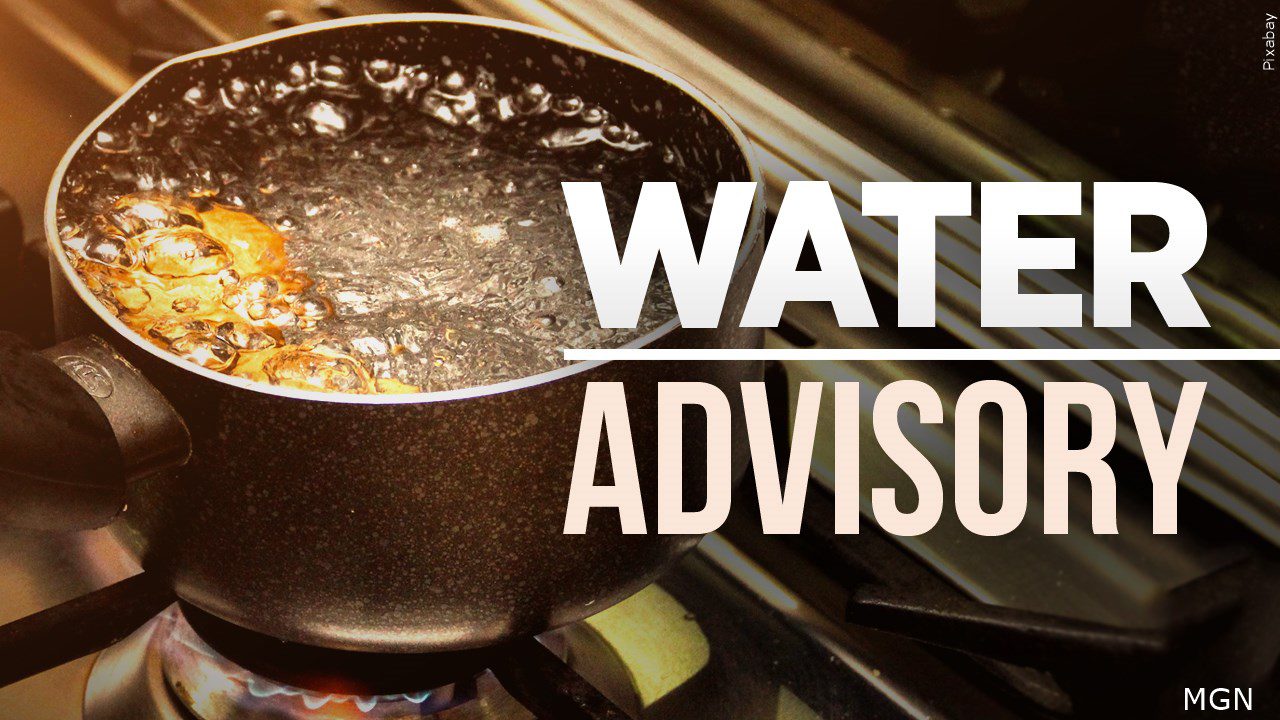
A precautionary boil water advisory was issued for Incline Village, Nevada, following a water main break that resulted in a significant loss of pressure within the public water distribution system. This event highlights critical vulnerabilities in water infrastructure, directly impacting the community’s progress towards several United Nations Sustainable Development Goals (SDGs), particularly SDG 6 (Clean Water and Sanitation).
Alignment with Sustainable Development Goals (SDGs)
The situation in Incline Village underscores the universal importance of the SDGs, demonstrating that even affluent communities are not immune to infrastructure failures that threaten basic human needs. The incident relates to the following goals:
- SDG 6: Clean Water and Sanitation: The advisory is a direct consequence of a failure to provide safely managed drinking water. The risk of contamination from fecal matter and other pathogens due to pressure loss in pipes is a clear challenge to Target 6.1, which aims to achieve universal and equitable access to safe and affordable drinking water for all.
- SDG 3: Good Health and Well-being: The potential for waterborne diseases, including gastrointestinal illnesses, poses a direct threat to public health. The advisory serves as a critical preventative measure to safeguard community health, aligning with the core objective of SDG 3 to ensure healthy lives and promote well-being for all at all ages.
- SDG 11: Sustainable Cities and Communities: The water main break signifies a lapse in resilient and sustainable infrastructure. SDG 11 calls for making human settlements safe, resilient, and sustainable. This event reveals that critical infrastructure requires continuous investment and maintenance to prevent failures that can disrupt community life and safety.
Report on the Advisory and System Response
Details of the System Failure
The Incline Village General Improvement District (GID) reported that the loss of pressure could allow contaminants to enter the water supply through breaks or joints in the distribution system. This failure creates a high potential for contamination that poses a substantial health endangerment.
Affected Areas and Public Directives
The advisory impacts several specific residential areas within Incline Village. Residents in these zones have been instructed to take the following precautions:
- Bring all tap water to a rolling boil for a minimum of three minutes before use.
- Utilize bottled water as an alternative for all consumption purposes, including drinking, cooking, brushing teeth, and washing dishes.
- Seek medical attention if symptoms such as diarrhea, cramps, nausea, or headaches occur.
Conclusion and Path Forward
Resolution and Future Implications for SDG Targets
Officials are conducting repairs and water quality testing, with an anticipated resolution pending satisfactory laboratory results. This incident serves as a crucial reminder of the ongoing effort required to achieve and maintain the targets set by the Sustainable Development Goals. Restoring safe water access is the immediate priority, but the event also calls for a long-term review of infrastructure resilience to ensure the community can reliably meet its commitments to SDG 6 and SDG 11, thereby protecting the health and well-being of its residents as outlined in SDG 3.
Analysis of Sustainable Development Goals (SDGs) in the Article
1. Which SDGs are addressed or connected to the issues highlighted in the article?
-
SDG 6: Clean Water and Sanitation
This is the most directly relevant SDG. The entire article revolves around a “boil water advisory” issued due to a potential contamination of the public water supply. The core issue is the failure to provide safe drinking water, which is the central theme of SDG 6.
-
SDG 3: Good Health and Well-being
The article explicitly connects the water quality issue to public health. It warns that untreated water may contain “bacteria, viruses, and parasites, which can cause gastrointestinal illnesses” and lists symptoms like “diarrhea, cramps, nausea, headaches.” This directly relates to SDG 3’s goal of ensuring healthy lives.
-
SDG 11: Sustainable Cities and Communities
The problem stems from a “water main break” and a “loss of pressure in the distribution system,” highlighting the “vulnerability of critical infrastructure.” SDG 11 aims to make human settlements safe, resilient, and sustainable, which includes ensuring the reliability of basic services like the public water supply.
2. What specific targets under those SDGs can be identified based on the article’s content?
-
Target 6.1: Achieve universal and equitable access to safe and affordable drinking water for all.
The boil water advisory signifies a temporary loss of access to safe drinking water for the residents of Incline Village. Although the community is affluent, the incident demonstrates that access to safe water is not guaranteed and requires constant management, aligning with the goal of ensuring safe water “for all.”
-
Target 3.9: Substantially reduce the number of deaths and illnesses from hazardous chemicals and air, water and soil pollution and contamination.
The advisory was issued due to the “high potential that fecal contamination or other disease-causing organisms could enter the distribution system.” This is a preventative measure aimed at reducing potential illnesses from water contamination, directly addressing the objective of this target.
-
Target 11.5: Significantly reduce the number of deaths and the number of people affected and substantially decrease the direct economic losses relative to global gross domestic product caused by disasters, including water-related disasters.
A significant water main break that disrupts the water supply for a community can be classified as a localized, water-related disaster. The article focuses on the “affected areas” and the residents who must take emergency measures, which corresponds to the goal of reducing the number of people affected by such events.
3. Are there any indicators mentioned or implied in the article that can be used to measure progress towards the identified targets?
-
Population with access to safely managed drinking water services.
The article implies this indicator in a negative sense. The issuance of a “boil water notice” for specific areas (Lariat Way, Dale Drive, etc.) is a direct measure of the population whose drinking water is not currently “safely managed.” The lifting of the advisory would indicate a return to a safely managed service.
-
Incidence of water-borne diseases.
The article mentions that health officials caution against illnesses and advises anyone experiencing symptoms like “diarrhea, cramps, nausea” to seek medical attention. Tracking the number of residents who report such symptoms following the water main break would serve as a direct indicator of the health impact.
-
Water quality testing results.
The article states that “water quality testing is ongoing” and the advisory will be lifted when “water samples confirm the absence of bacteria.” The results of these tests (e.g., the presence or absence of fecal coliforms) are a direct, measurable indicator of water safety and quality.
4. Table of SDGs, Targets, and Indicators
| SDGs | Targets | Indicators |
|---|---|---|
| SDG 6: Clean Water and Sanitation | Target 6.1: Achieve universal and equitable access to safe and affordable drinking water for all. | The number of people/households in the “affected areas” under a boil water advisory, indicating a lack of safely managed drinking water. |
| SDG 3: Good Health and Well-being | Target 3.9: Substantially reduce the number of deaths and illnesses from… water… contamination. | Incidence of reported gastrointestinal illnesses (diarrhea, cramps, nausea) in the community during the advisory period. |
| SDG 11: Sustainable Cities and Communities | Target 11.5: Significantly reduce… the number of people affected… by disasters, including water-related disasters. | The number of residents in the designated zones (Lariat Way, Lariat Circle, etc.) affected by the water main break. |
| SDG 6: Clean Water and Sanitation | Target 6.1: Achieve universal and equitable access to safe and affordable drinking water for all. | Results from “ongoing laboratory testing” of water samples to “confirm the absence of bacteria.” |
Source: newsweek.com
What is Your Reaction?
 Like
0
Like
0
 Dislike
0
Dislike
0
 Love
0
Love
0
 Funny
0
Funny
0
 Angry
0
Angry
0
 Sad
0
Sad
0
 Wow
0
Wow
0