Charting The Changes That Will Lead To Renewable Energy Dominance In 2026 – CleanTechnica
Renewable Energy and the Sustainable Development Goals: A Global Transition
Introduction
Bill McKibben, a prominent environmentalist, recently discussed the urgent climate challenges and the pivotal role of renewable energy in an interview with The Guardian. His insights highlight the critical intersection between renewable energy advancements and the United Nations Sustainable Development Goals (SDGs), particularly those related to affordable and clean energy (SDG 7), climate action (SDG 13), and sustainable economic growth (SDG 8).
Current Climate Realities and Renewable Energy Progress
- Climate Change Challenges: McKibben acknowledges that global warming is accelerating, confirming scientific predictions made decades ago. The ongoing environmental crises represent a significant legacy of current human activity, underscoring the need for urgent climate action (SDG 13).
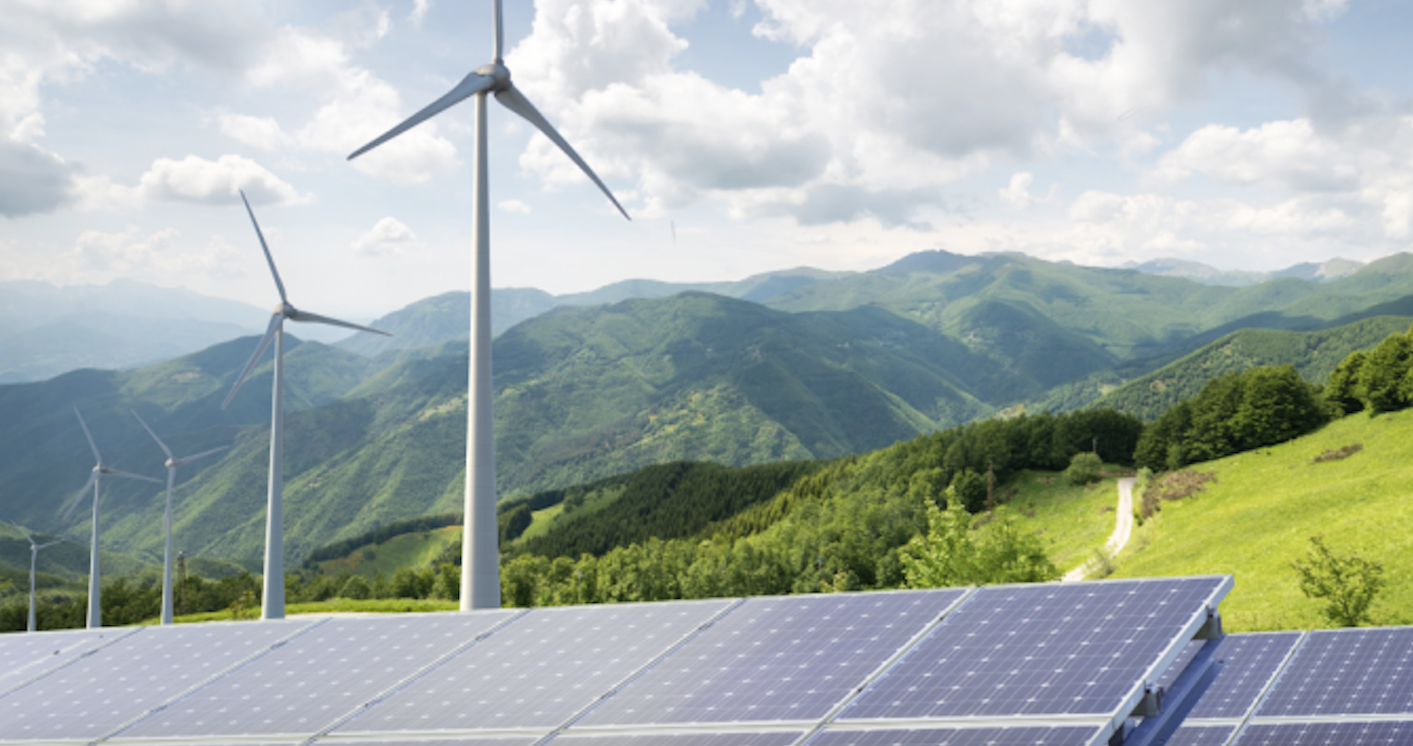
- Renewable Energy as a Mitigation Tool: While it may be too late to completely halt global warming, renewable energy sources such as solar and wind power, combined with battery storage, offer a practical means to reduce temperature increases. In 2024, 95% of new global power generation capacity came from these clean sources, advancing SDG 7.
Global Leadership and Trends in Renewable Energy
- China’s Leading Role: China is rapidly expanding its solar capacity, building approximately three gigawatts of solar panels daily—equivalent to a large coal-fired power plant every eight hours. This large-scale deployment supports SDG 9 (industry, innovation, and infrastructure) and SDG 7.
- Australia’s Solar Initiatives: Australia’s extensive solar power infrastructure has enabled the government to offer free electricity for several hours daily, demonstrating progress toward SDG 7 and SDG 11 (sustainable cities and communities).
Economic and Social Dimensions of Energy Systems
The current fossil fuel-based economic system has generated immense wealth for a few, while externalizing environmental costs. This dynamic conflicts with SDG 10 (reduced inequalities) and SDG 12 (responsible consumption and production).
- Wealth Concentration and Environmental Impact: Fossil fuel producers benefit financially without fully accounting for environmental damage, raising questions about equitable wealth distribution and social justice.
- Influence of Fossil Fuel Interests: Powerful stakeholders, including major oil and gas corporations, have historically influenced policy and public opinion, often undermining democratic processes and climate action efforts.
Shifts in Global Energy Investment
- Financial Markets Embrace Sustainability: A recent Morgan Stanley survey of 950 institutional investors across North America, Europe, and Asia Pacific revealed that 80% plan to increase sustainable investments, reflecting a shift aligned with SDG 17 (partnerships for the goals).
- China’s Export of Green Technologies: China’s export value of green technologies surpassed that of fossil fuels, signaling a global economic transition toward sustainability.
National Challenges and Opportunities
- US Innovation and Missed Opportunities: Despite pioneering renewable technologies such as the first solar cell and industrial wind turbine, the US has lagged in capitalizing on these innovations, representing a form of national self-sabotage with implications for SDG 9.
- Corporate Influence on Energy Policy: Historical decisions by corporations like General Motors and Exxon have delayed the adoption of electric and hybrid vehicles, impacting progress toward SDG 7 and SDG 13.
Emerging Renewable Energy Developments
Recent projects illustrate the growing momentum of renewable energy worldwide:
- Kyrgyzstan’s Solar Power Plant: A 100 MW solar facility commissioned in Kyrgyzstan’s Chui region will generate approximately 210 million kWh annually and reduce CO2 emissions by 120,000 tons, contributing to SDG 7 and SDG 13.
- Future Projects: Agreements for 12 additional solar and wind facilities totaling over 5 GW capacity are underway, demonstrating sustained investment in clean energy infrastructure.
Conclusion: Toward a Sustainable Energy Future
The global transition to renewable energy is gaining irreversible momentum, despite political and economic challenges. This shift supports multiple Sustainable Development Goals, including:
- SDG 7: Ensuring access to affordable, reliable, sustainable, and modern energy for all.
- SDG 13: Taking urgent action to combat climate change and its impacts.
- SDG 8: Promoting sustained, inclusive, and sustainable economic growth.
- SDG 9: Building resilient infrastructure and fostering innovation.
- SDG 10: Reducing inequalities within and among countries.
- SDG 17: Strengthening global partnerships for sustainable development.
As renewable energy technologies continue to expand globally, they offer a viable pathway to mitigate climate change, promote social equity, and foster sustainable economic development.
1. Sustainable Development Goals (SDGs) Addressed or Connected
- SDG 7: Affordable and Clean Energy
- The article discusses the global transition to renewable energy sources such as solar and wind power, highlighting their increasing adoption worldwide.
- Examples include China’s massive solar panel installations, Australia’s solar power usage, and new solar plants in Kyrgyzstan and Uzbekistan.
- SDG 13: Climate Action
- The article emphasizes the urgency of addressing global warming and reducing carbon emissions through renewable energy.
- It mentions the reduction of carbon dioxide emissions by renewable energy projects, such as the 120,000 tons reduction from Kyrgyzstan’s solar plant.
- SDG 9: Industry, Innovation and Infrastructure
- The article highlights technological innovations in renewable energy, such as solar cells and wind turbines, and the importance of infrastructure development for energy transition.
- It also discusses the role of industrial corporations and innovation history in the US and globally.
- SDG 12: Responsible Consumption and Production
- The article critiques the fossil fuel industry’s environmental impact and advocates for a shift to sustainable energy production and consumption.
- SDG 10: Reduced Inequalities
- There is discussion about wealth inequality caused by fossil fuel control and the potential for more equitable distribution of benefits from clean energy.
2. Specific Targets Under the Identified SDGs
- SDG 7: Affordable and Clean Energy
- Target 7.2: Increase substantially the share of renewable energy in the global energy mix.
- Target 7.3: Double the global rate of improvement in energy efficiency.
- Target 7.a: Enhance international cooperation to facilitate access to clean energy research and technology.
- SDG 13: Climate Action
- Target 13.2: Integrate climate change measures into national policies, strategies, and planning.
- Target 13.3: Improve education, awareness-raising, and human and institutional capacity on climate change mitigation.
- SDG 9: Industry, Innovation and Infrastructure
- Target 9.4: Upgrade infrastructure and retrofit industries to make them sustainable, with increased resource-use efficiency and greater adoption of clean technologies.
- SDG 12: Responsible Consumption and Production
- Target 12.2: Achieve the sustainable management and efficient use of natural resources.
- SDG 10: Reduced Inequalities
- Target 10.1: Achieve and sustain income growth of the bottom 40% of the population at a rate higher than the national average.
3. Indicators Mentioned or Implied to Measure Progress
- SDG 7 Indicators
- Proportion of population with access to electricity (implied through mentions of energy access improvements in Pakistan and Kyrgyzstan).
- Renewable energy share in the total final energy consumption (implied by the data on new renewable capacity installations worldwide).
- Installed renewable energy generation capacity (e.g., 100 MW solar plant in Kyrgyzstan, 5 GW planned solar and wind projects).
- SDG 13 Indicators
- Greenhouse gas emissions per capita and total emissions (implied by the reduction of 120,000 tons of CO2 emissions from solar projects).
- Number of countries with national climate change strategies and policies (implied by references to national commitments and climate talks).
- SDG 9 Indicators
- Research and development expenditure on clean energy technologies (implied by references to innovation history and technology transfer).
- Number and capacity of renewable energy infrastructure projects (e.g., solar and wind plants).
- SDG 12 Indicators
- Material footprint and resource efficiency metrics (implied by discussions on fossil fuel externalities and sustainable production).
- SDG 10 Indicators
- Income growth of the bottom 40% (implied by discussions on wealth distribution and social benefits of energy profits).
4. Table of SDGs, Targets, and Indicators
| SDGs | Targets | Indicators |
|---|---|---|
| SDG 7: Affordable and Clean Energy |
|
|
| SDG 13: Climate Action |
|
|
| SDG 9: Industry, Innovation and Infrastructure |
|
|
| SDG 12: Responsible Consumption and Production |
|
|
| SDG 10: Reduced Inequalities |
|
|
Source: cleantechnica.com
What is Your Reaction?
 Like
0
Like
0
 Dislike
0
Dislike
0
 Love
0
Love
0
 Funny
0
Funny
0
 Angry
0
Angry
0
 Sad
0
Sad
0
 Wow
0
Wow
0