




































Batteries on wheels: when cars stop driving, a revolution begins – Youris.com

Electric Vehicles as Key Contributors to Sustainable Energy Systems
Introduction
On AFC Ajax match days at Amsterdam’s Johan Cruijff ArenA, electric vehicles (EVs) play a pivotal role beyond transportation. Tens of thousands of fans witness rows of EVs parked outside, storing solar energy collected during the day and feeding it back to the stadium during peak demand. This innovative approach exemplifies the integration of mobility and energy systems, aligning with several Sustainable Development Goals (SDGs), particularly SDG 7 (Affordable and Clean Energy), SDG 9 (Industry, Innovation and Infrastructure), and SDG 11 (Sustainable Cities and Communities).
Growth of Electric Vehicles and Grid Challenges
- Increasing EV Adoption: In 2025, battery electric vehicles accounted for approximately 16% of new car registrations in the European Union, reflecting rapid growth in EV uptake (ACEA).
- Grid Modernization Needs: Europe faces over €3.5 trillion in grid investments by 2035 to modernize and digitalize electricity networks (IEA’s World Energy Outlook 2023), highlighting the urgency of integrating EVs as distributed energy resources.
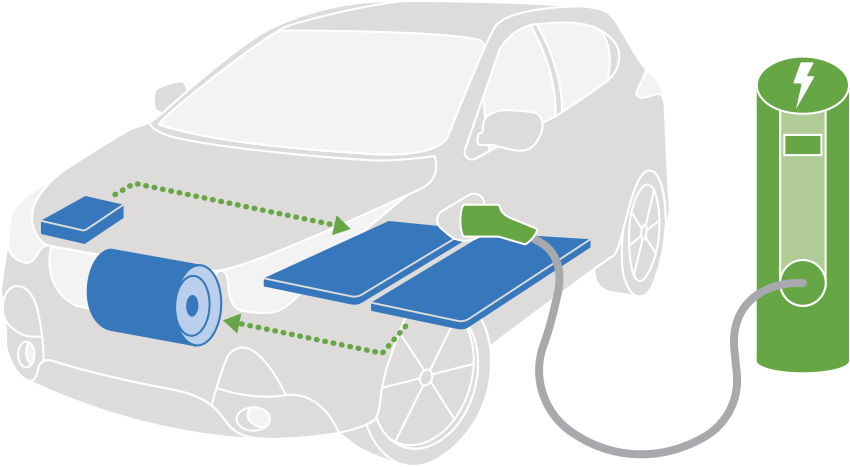
- EVs as Distributed Storage: EVs, already equipped with large batteries and plugged in, represent a realistic and scalable form of grid flexibility, supporting SDG 13 (Climate Action) by facilitating renewable energy integration.
Technical and Operational Challenges
- Bidirectional Charging Limitations: Most EVs currently can only receive energy, not return it to the grid, due to concerns about battery lifetime, thermal behavior, and charging dynamics.
- Battery Ageing and Warranty Considerations: Automakers exercise caution because battery ageing varies across chemistries and thermal systems, necessitating precise modeling to ensure user confidence.
- Grid Operator Perspectives: Unlocking flexibility at scale requires EVs to become two-way devices, contributing to local grid stability and supporting SDG 7 and SDG 9.
DriVe2X Project: Real-Life Testing of Vehicle-to-Grid (V2G) Technologies
The DriVe2X project is pioneering the integration of EVs as active energy resources across multiple European cities, emphasizing SDG 17 (Partnerships for the Goals) through collaborative innovation.
- Amsterdam ArenA: Demonstrates EVs feeding energy back to the stadium during peak demand.
- Budapest: Tests charging routines interacting with rooftop solar and tariff optimization in private homes.
- Porto Airport: Studies predictable charging patterns during long vehicle stays.
- Maia, Portugal: Adds V2X capabilities to a dense network of charging points.
- Isle of Wight, UK: Explores tourism-driven charging behavior with extended parking periods.
- Terni, Italy: Implements blockchain-enabled energy transactions to incentivize smart and bidirectional charging.
Building Trust and User Acceptance
- Importance of Trust: Successful bidirectional charging depends on infrastructure availability, clear information, and assurance that vehicles remain ready for use.
- Advanced Battery Modeling: Research integrates empirical and physics-based aging models to predict battery degradation accurately, ensuring V2G does not compromise user needs and may even reduce certain degradation forms.
- Human Factors and Behavioral Insights: A large-scale survey reveals that emotional factors such as pride and contribution to the common good strongly influence willingness to engage in V2X, highlighting the need to address SDG 4 (Quality Education) and SDG 12 (Responsible Consumption and Production) through awareness and education.
Future Outlook and Sustainable Development Implications
- EVs as Distributed Storage Backbone: With EVs spending 92% of their time parked, they have the potential to become a critical component of Europe’s energy infrastructure, supporting SDG 7 and SDG 13.
- Technology and Infrastructure Evolution: Scaling bidirectional charging requires advancements in battery technology, uniform grid codes, and open public operations.
- User-Centric Approach: Adoption depends on ensuring V2X systems are safe, fair, understandable, and compatible with daily life, fostering inclusive and sustainable communities (SDG 11).
- Policy and Market Readiness: Coordinated efforts among researchers, industry, policymakers, and citizens are essential to achieve mass adoption and realize the full potential of EVs in sustainable energy systems.
Conclusion
The integration of electric vehicles as active participants in energy systems represents a transformative opportunity to advance multiple Sustainable Development Goals. Projects like DriVe2X demonstrate that with precise modeling, user trust, and collaborative innovation, EVs can evolve from mere consumers to vital contributors to grid stability and renewable energy utilization. This transition supports a sustainable, resilient, and inclusive energy future aligned with global development objectives.
1. Sustainable Development Goals (SDGs) Addressed or Connected
-
SDG 7: Affordable and Clean Energy
- The article discusses the integration of electric vehicles (EVs) as distributed energy storage units supporting the electricity grid, promoting clean energy usage and grid modernization.
-
SDG 9: Industry, Innovation and Infrastructure
- Advanced charging technologies and infrastructure development for bidirectional EV charging are highlighted, reflecting innovation and infrastructure improvement.
-
SDG 11: Sustainable Cities and Communities
- The article mentions urban implementations such as the Amsterdam Johan Cruijff ArenA and other European cities, focusing on sustainable urban energy solutions.
-
SDG 13: Climate Action
- By promoting renewable energy integration and reducing reliance on fossil fuels through EVs and smart grids, the article addresses climate action goals.
2. Specific Targets Under Those SDGs Identified
-
SDG 7 Targets
- 7.2: Increase substantially the share of renewable energy in the global energy mix.
- 7.3: Double the global rate of improvement in energy efficiency.
- 7.a: Enhance international cooperation to facilitate access to clean energy research and technology.
-
SDG 9 Targets
- 9.4: Upgrade infrastructure and retrofit industries to make them sustainable, with increased resource-use efficiency and greater adoption of clean and environmentally sound technologies.
- 9.b: Support domestic technology development and research.
-
SDG 11 Targets
- 11.6: Reduce the adverse per capita environmental impact of cities, including by paying special attention to air quality and municipal and other waste management.
- 11.b: Increase the number of cities adopting and implementing integrated policies and plans towards inclusion, resource efficiency, mitigation and adaptation to climate change.
-
SDG 13 Targets
- 13.1: Strengthen resilience and adaptive capacity to climate-related hazards and natural disasters in all countries.
- 13.3: Improve education, awareness-raising and human and institutional capacity on climate change mitigation, adaptation, impact reduction, and early warning.
3. Indicators Mentioned or Implied to Measure Progress
-
SDG 7 Indicators
- Share of renewable energy in total final energy consumption (related to EVs storing and feeding solar energy back to the grid).
- Energy efficiency improvement rates (implied by advanced charging systems reducing battery degradation and optimizing energy use).
-
SDG 9 Indicators
- Proportion of population with access to sustainable infrastructure (implied by deployment of bidirectional charging infrastructure and smart grids).
- Research and development expenditure in clean energy technologies (implied by the research projects like DriVe2X and modelling efforts).
-
SDG 11 Indicators
- Air quality levels in urban areas (implied improvement through increased EV adoption and reduced fossil fuel use).
- Number of cities implementing sustainable energy and mobility plans (demonstrated by pilot projects in multiple European cities).
-
SDG 13 Indicators
- Number of policies and programs to mitigate climate change impacts (implied by integration of EVs into energy systems and public acceptance surveys).
- Public awareness and acceptance levels of climate-friendly technologies (measured by large-scale surveys on EV charging behavior and attitudes).
4. Table of SDGs, Targets and Indicators
| SDGs | Targets | Indicators |
|---|---|---|
| SDG 7: Affordable and Clean Energy |
|
|
| SDG 9: Industry, Innovation and Infrastructure |
|
|
| SDG 11: Sustainable Cities and Communities |
|
|
| SDG 13: Climate Action |
|
|
Source: youris.com
What is Your Reaction?
 Like
0
Like
0
 Dislike
0
Dislike
0
 Love
0
Love
0
 Funny
0
Funny
0
 Angry
0
Angry
0
 Sad
0
Sad
0
 Wow
0
Wow
0