
















China’s food-security push to slash soy imports by two-thirds: Goldman Sachs – South China Morning Post
China’s Strategic Reduction of Soybean Imports and Its Alignment with Sustainable Development Goals
Introduction
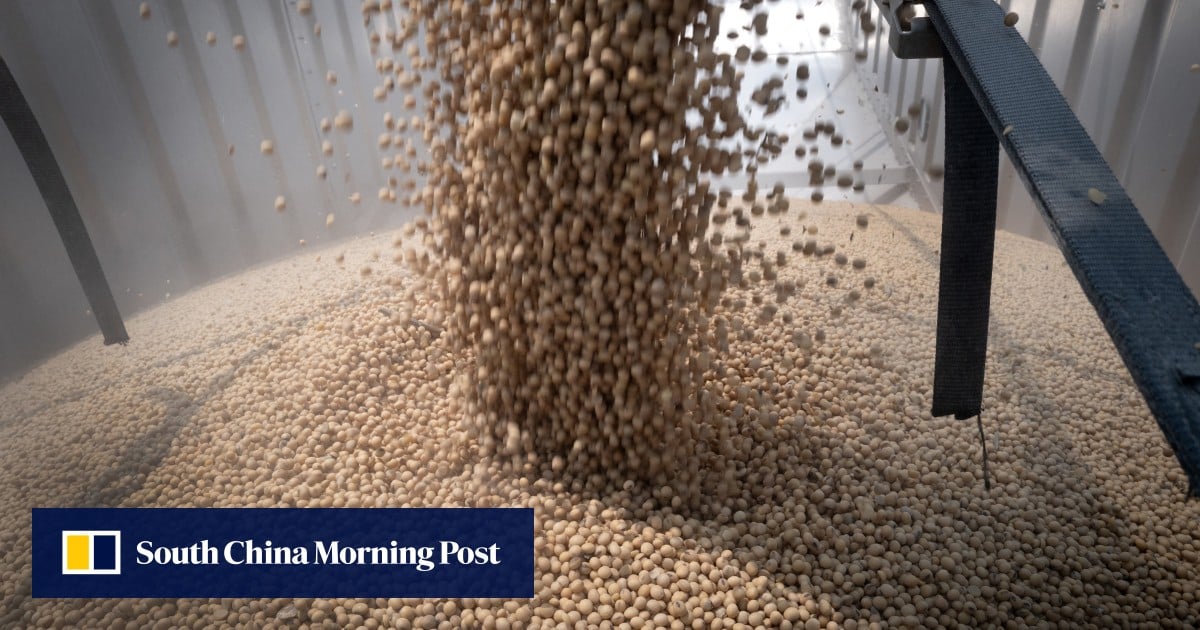
China is on course to significantly reduce its reliance on imported soybeans, aiming to decrease import dependency from the current 90% to less than 30% within the next decade. This strategic shift, highlighted by research from Goldman Sachs, aligns with the country’s broader goals of enhancing self-sufficiency and securing its food supply against global trade disruptions.
Efforts to Enhance Food Security and Sustainable Agriculture (SDG 2: Zero Hunger)
China’s demand-management strategies for soybeans—a critical source of cooking oil and animal feed—have successfully reduced annual consumption by 15 million tonnes between 2021 and 2024. These measures include:
- Lowering soybean content in animal feed
- Improving feed-conversion efficiency
- Optimizing protein mixes in animal nutrition
These actions contribute directly to SDG 2: Zero Hunger by promoting sustainable agricultural practices and improving food security.
Mitigating Trade Risks and Promoting Economic Resilience (SDG 8: Decent Work and Economic Growth)
The initiative to reduce soybean import dependency began during the first US-China trade war and has been crucial in mitigating trade barriers and uncertainties, particularly with the United States and South American countries. This approach supports SDG 8 by fostering resilient economic growth and reducing vulnerabilities in international trade.
Strengthening Domestic Markets and Sustainable Economic Development (SDG 9: Industry, Innovation, and Infrastructure; SDG 12: Responsible Consumption and Production)
Following a high-level annual meeting setting the economic policy tone for 2026, Beijing has emphasized bolstering the domestic economy primarily through increased domestic demand and building a robust internal market. These commitments align with:
- SDG 9: Promoting sustainable industrialization and innovation within the domestic market
- SDG 12: Encouraging responsible consumption and production patterns by optimizing resource use in agriculture and feed production
International Cooperation and Trade Commitments (SDG 17: Partnerships for the Goals)
In a recent development, China agreed to purchase a stable and large volume of US soybeans over the next three years, following a presidential meeting in late October. This agreement reflects a commitment to SDG 17, fostering global partnerships to support sustainable development and economic stability.
Conclusion
China’s strategic reduction of soybean imports demonstrates a comprehensive approach to achieving multiple Sustainable Development Goals, including enhancing food security, promoting sustainable economic growth, and fostering international cooperation. These efforts not only aim to secure China’s food supply but also contribute to global sustainability objectives.

1. Sustainable Development Goals (SDGs) Addressed or Connected
- SDG 2: Zero Hunger – The article discusses China’s efforts to reduce reliance on imported soybeans, a vital source of cooking oil and animal feed, which is directly related to food security and sustainable agriculture.
- SDG 12: Responsible Consumption and Production – Demand-management strategies, lowering soybean content in animal feed, and improving feed-conversion efficiency reflect sustainable consumption and production patterns.
- SDG 8: Decent Work and Economic Growth – The focus on bolstering China’s economy through domestic demand and building a robust domestic market ties to sustained economic growth.
- SDG 17: Partnerships for the Goals – The trade relations and agreements between China and the US on soybean purchases highlight international cooperation and partnerships.
2. Specific Targets Under Those SDGs
- SDG 2 Targets:
- Target 2.3: By 2030, double the agricultural productivity and incomes of small-scale food producers through sustainable food production systems.
- Target 2.4: Ensure sustainable food production systems and implement resilient agricultural practices.
- SDG 12 Targets:
- Target 12.2: Achieve sustainable management and efficient use of natural resources.
- Target 12.3: Halve per capita global food waste at the retail and consumer levels.
- SDG 8 Targets:
- Target 8.1: Sustain per capita economic growth in accordance with national circumstances.
- SDG 17 Targets:
- Target 17.11: Significantly increase exports of developing countries, in particular with a view to doubling the least developed countries’ share of global exports.
- Target 17.16: Enhance the global partnership for sustainable development.
3. Indicators Mentioned or Implied to Measure Progress
- SDG 2 Indicators:
- Indicator 2.3.1: Volume of production per labour unit by classes of farming/pastoral/forestry enterprise size.
- Indicator 2.4.1: Proportion of agricultural area under productive and sustainable agriculture.
- SDG 12 Indicators:
- Indicator 12.2.1: Material footprint, material footprint per capita, and material footprint per GDP.
- Indicator 12.3.1: Food loss index.
- SDG 8 Indicators:
- Indicator 8.1.1: Annual growth rate of real GDP per capita.
- SDG 17 Indicators:
- Indicator 17.11.1: Developing countries’ and least developed countries’ share of global exports.
- Indicator 17.16.1: Number of countries reporting progress in multi-stakeholder development effectiveness monitoring frameworks.
- Implied Indicators from the Article:
- Percentage reduction in soybean import reliance (from 90% to less than 30%).
- Reduction in annual soybean consumption (15 million tonnes between 2021 and 2024).
- Efficiency improvements in feed conversion and protein mix optimization.
- Volume of US soybean purchases as per trade agreements.
4. Table: SDGs, Targets and Indicators
| SDGs | Targets | Indicators |
|---|---|---|
| SDG 2: Zero Hunger |
|
|
| SDG 12: Responsible Consumption and Production |
|
|
| SDG 8: Decent Work and Economic Growth |
|
|
| SDG 17: Partnerships for the Goals |
|
|
Source: scmp.com
What is Your Reaction?
 Like
0
Like
0
 Dislike
0
Dislike
0
 Love
0
Love
0
 Funny
0
Funny
0
 Angry
0
Angry
0
 Sad
0
Sad
0
 Wow
0
Wow
0