






























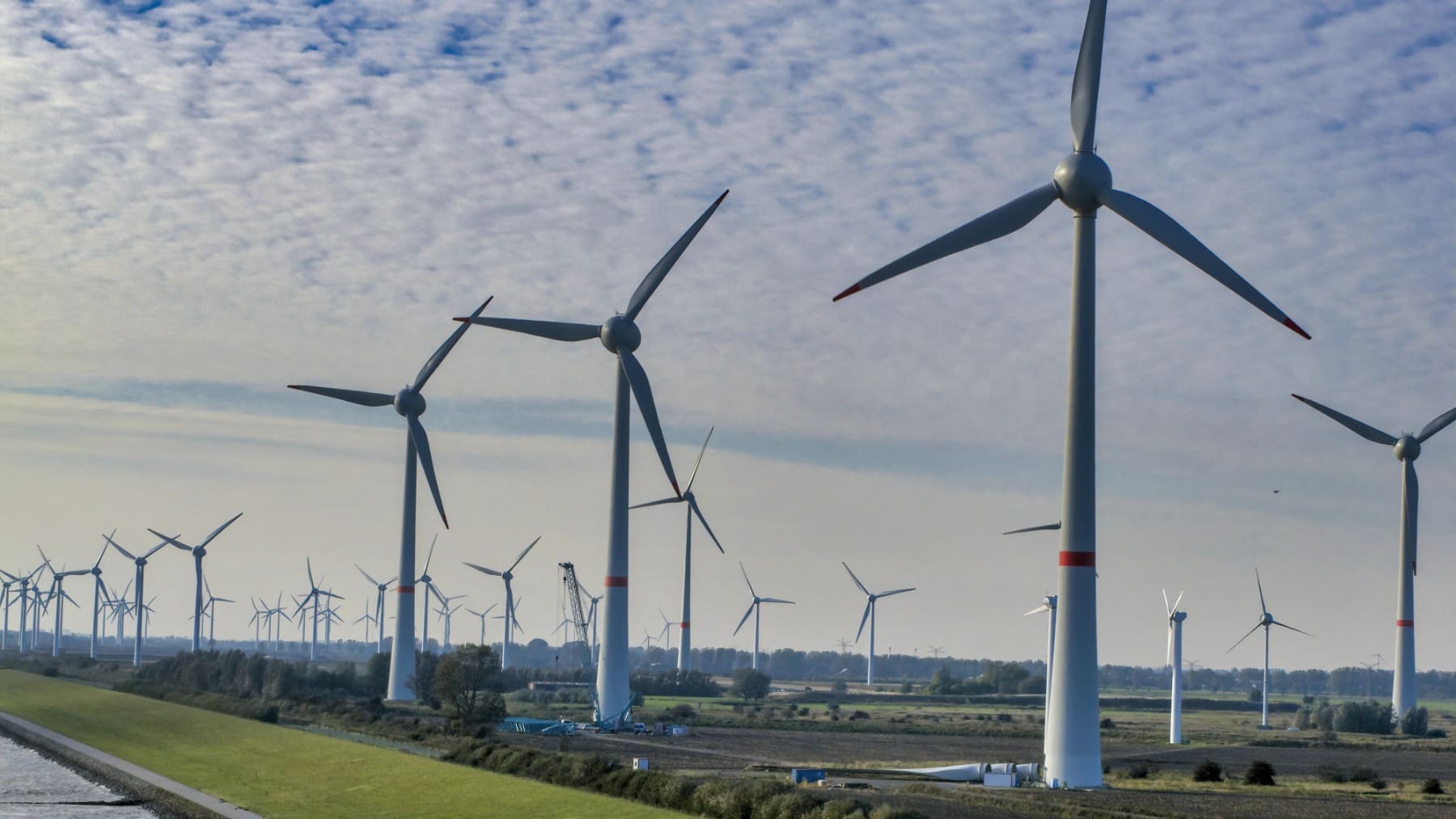
CINEA designates five new cross-border renewable projects, including a 1 GW Baltic offshore wind farm – Energies Media
Report on New Cross-Border Renewable Energy Projects and Sustainable Development Goals
The European Climate, Infrastructure and Environment Executive Agency (CINEA) has designated five new cross-border renewable energy (CB RES) projects. This initiative is a significant step towards achieving Europe’s clean energy targets, enhancing energy security, and contributing directly to several United Nations Sustainable Development Goals (SDGs).
Project Designations and Specifications
The five projects, having received CB RES status, are now eligible for financial support under the Connecting Europe Facility (CEF) Energy programme. The projects are as follows:
-
Liivi Bay Offshore Wind Farm
Located in Estonian waters in the Gulf of Riga, this project will establish a 1 GW offshore wind farm. It is scheduled to commence electricity generation by 2031, contributing significantly to renewable energy capacity.
-
Twin Heat Project
This project aims to decarbonise the district heating systems of Słubice, Poland, and Frankfurt, Germany. It involves installing renewable-based heating infrastructure, fostering cross-border energy integration and directly supporting sustainable communities.
-
Utilitas Eleja-Jonišķis Wind Park
Spanning the Latvia-Lithuania border, this wind park will have an installed capacity of 200 MW from 2028. It will connect to the existing 330 kV Viskaļi–Mūša transmission line, strengthening regional energy infrastructure.
-
Comprehensive Offshore Renewable Energy Studies (CORES)
A collaborative study between Portugal and Luxembourg to assess the potential for cross-border floating offshore wind energy. The study aims to unlock up to 10 GW of offshore wind capacity in Portugal, fostering innovation in clean energy.
-
Medlink Renewable Generation (MedGen) Project
A partnership between Algeria, Tunisia, and Italy to develop 10 GW of solar and wind capacity. This project will export renewable energy to Europe, highlighting inter-continental energy cooperation and Africa’s role in the global energy transition.
Alignment with Sustainable Development Goals (SDGs)
These projects are fundamentally aligned with the 2030 Agenda for Sustainable Development, with a pronounced impact on the following goals:
-
SDG 7: Affordable and Clean Energy
All five projects directly support Target 7.2 by substantially increasing the share of renewable energy in the global energy mix. They also contribute to Target 7.b by expanding infrastructure to supply modern and sustainable energy services.
-
SDG 13: Climate Action
By developing large-scale renewable energy capacity, this initiative is a critical component of Europe’s strategy to combat climate change and its impacts. The projects will displace fossil fuel-based energy generation, reducing greenhouse gas emissions and helping the region move towards its carbon neutrality commitments.
-
SDG 17: Partnerships for the Goals
The cross-border nature of every project exemplifies Target 17.6 and 17.7, enhancing international cooperation on and access to clean energy technology and research. The MedGen project is a notable example of North-South cooperation for sustainable development.
-
SDG 9: Industry, Innovation, and Infrastructure
The development of offshore wind farms, interconnected heating systems, and transmission lines represents the construction of resilient and sustainable infrastructure. These projects promote clean and environmentally sound technologies and industrial processes.
-
SDG 11: Sustainable Cities and Communities
The Twin Heat project, in particular, addresses Target 11.6 by aiming to improve air quality through decarbonised district heating, making the cities of Słubice and Frankfurt more sustainable and resilient.
Procedural Status
The list of projects with CB RES status is now subject to a two-month scrutiny period by the European Parliament, which can be extended. Approval will finalize their eligibility for funding and mark a significant advancement in Europe’s cooperative renewable energy strategy, reinforcing its commitment to the Sustainable Development Goals.
Analysis of Sustainable Development Goals in the Article
1. Which SDGs are addressed or connected to the issues highlighted in the article?
-
SDG 7: Affordable and Clean Energy
The entire article focuses on the development and implementation of renewable energy projects. It explicitly discusses the shift away from oil and gas towards clean energy sources like wind and solar, directly aligning with the core objective of SDG 7 to ensure access to affordable, reliable, sustainable, and modern energy for all.
-
SDG 9: Industry, Innovation and Infrastructure
The article details the construction of new, large-scale energy infrastructure, such as the “1 GW Baltic offshore wind farm,” the “Utilitas Eleja-Jonišķis Wind Park,” and the decarbonization of district heating systems. These projects represent the development of resilient, sustainable infrastructure, which is a key component of SDG 9.
-
SDG 13: Climate Action
The motivation behind these projects is clearly linked to climate action. The article states that the reliance on oil and gas has “devastated the planet’s environment” and that Europe is building on its “commitment… to reach carbon neutrality.” The shift to renewable energy is a primary strategy for combating climate change, making SDG 13 highly relevant.
-
SDG 17: Partnerships for the Goals
A central theme of the article is international cooperation. All five projects mentioned are “cross-border,” involving partnerships between multiple countries (Estonia, Poland-Germany, Latvia-Lithuania, Portugal-Luxembourg, and Algeria-Tunisia-Italy). This emphasis on collaborative efforts to achieve sustainable development goals is the essence of SDG 17.
2. What specific targets under those SDGs can be identified based on the article’s content?
-
Under SDG 7 (Affordable and Clean Energy):
- Target 7.2: By 2030, increase substantially the share of renewable energy in the global energy mix. The article directly addresses this by describing five new large-scale renewable energy projects, such as the “1 GW Liivi Bay Offshore Wind Farm” and the “10 GW of solar and wind capacity” from the MedGen project, all designed to boost Europe’s renewable energy capacity.
- Target 7.a: By 2030, enhance international cooperation to facilitate access to clean energy research and technology… and promote investment in energy infrastructure and clean energy technology. The article highlights that the projects have “CB RES status, granting them eligibility to apply for financial support” and are all cross-border initiatives, such as the “Twin Heat project” between Poland and Germany, which exemplifies this target.
-
Under SDG 9 (Industry, Innovation and Infrastructure):
- Target 9.1: Develop quality, reliable, sustainable and resilient infrastructure… to support economic development and human well-being. The construction of offshore wind farms, cross-border wind parks, and modern district heating systems are all examples of developing sustainable and resilient energy infrastructure as described in the article.
- Target 9.4: By 2030, upgrade infrastructure and retrofit industries to make them sustainable… and greater adoption of clean and environmentally sound technologies. The “Twin Heat project,” which aims to “decarbonise the district heating systems” of two cities by installing “renewable-based heating infrastructure,” is a direct example of upgrading existing infrastructure with clean technology.
-
Under SDG 13 (Climate Action):
- Target 13.2: Integrate climate change measures into national policies, strategies and planning. The article shows this integration at a regional level, noting that the projects are part of Europe’s plan to “meet its self-imposed clean energy targets” and its “commitment… to reach carbon neutrality.” The approval process involving CINEA and the European Parliament demonstrates the institutionalization of these climate goals.
-
Under SDG 17 (Partnerships for the Goals):
- Target 17.6: Enhance North-South, South-South and triangular regional and international cooperation on and access to science, technology and innovation. The “Medlink Renewable Generation (MedGen) project” between Algeria, Tunisia, and Italy is a clear example of North-South cooperation for developing and sharing renewable energy.
- Target 17.9: Enhance international support for implementing effective and targeted capacity-building in developing countries. The MedGen project, which involves developing 10 GW of renewable capacity in Algeria and Tunisia to supply Italy, implies a significant investment and capacity-building effort in these North African nations, supported by European partners.
3. Are there any indicators mentioned or implied in the article that can be used to measure progress towards the identified targets?
Yes, the article contains several quantitative and qualitative indicators that can be used to measure progress:
- Installed capacity of renewable energy: The article provides specific figures that serve as direct indicators for Target 7.2.
- 1 GW from the Liivi Bay Offshore Wind Farm.
- 200 MW from the Utilitas Eleja-Jonišķis Wind Park.
- A potential of 10 GW from the CORES project in Portugal.
- 10 GW of solar and wind capacity from the MedGen project.
- Number of cross-border renewable energy projects: The article explicitly identifies “five new cross-border renewable energy projects.” This number serves as an indicator for international cooperation under Target 7.a and SDG 17.
- Financial support mechanisms: The mention of eligibility for “financial support under the CB RES window of the CEF Energy programme” is an indicator of the financial flows being directed towards clean energy infrastructure, relevant to Target 7.a.
- Policy and regulatory actions: The designation of projects with “CB RES status” by CINEA and the pending “approval from the European Parliament” are procedural indicators that measure the implementation of climate policies (Target 13.2).
4. Create a table with three columns titled ‘SDGs, Targets and Indicators” to present the findings from analyzing the article.
| SDGs | Targets | Indicators |
|---|---|---|
| SDG 7: Affordable and Clean Energy | 7.2: Increase the share of renewable energy.
7.a: Enhance international cooperation and investment in clean energy. |
– Total planned renewable capacity mentioned: 1 GW + 200 MW + 10 GW + 10 GW. – Number of new renewable energy projects (5). – Eligibility for financial support under the CEF Energy programme. |
| SDG 9: Industry, Innovation and Infrastructure | 9.1: Develop sustainable and resilient infrastructure.
9.4: Upgrade infrastructure with clean technologies. |
– Number of new energy infrastructure projects (e.g., offshore wind farms, transmission lines). – Implementation of projects to decarbonize existing infrastructure (Twin Heat project). |
| SDG 13: Climate Action | 13.2: Integrate climate change measures into policies and planning. | – Europe’s stated commitment to “carbon neutrality.” – Formal approval process for projects by CINEA and the European Parliament. |
| SDG 17: Partnerships for the Goals | 17.6: Enhance North-South and regional cooperation.
17.9: Enhance international support for capacity-building. |
– Number of cross-border cooperative projects (5). – Specific partnerships mentioned: Poland-Germany, Latvia-Lithuania, Portugal-Luxembourg, Algeria-Tunisia-Italy. |
Source: energiesmedia.com
What is Your Reaction?
 Like
0
Like
0
 Dislike
0
Dislike
0
 Love
0
Love
0
 Funny
0
Funny
0
 Angry
0
Angry
0
 Sad
0
Sad
0
 Wow
0
Wow
0