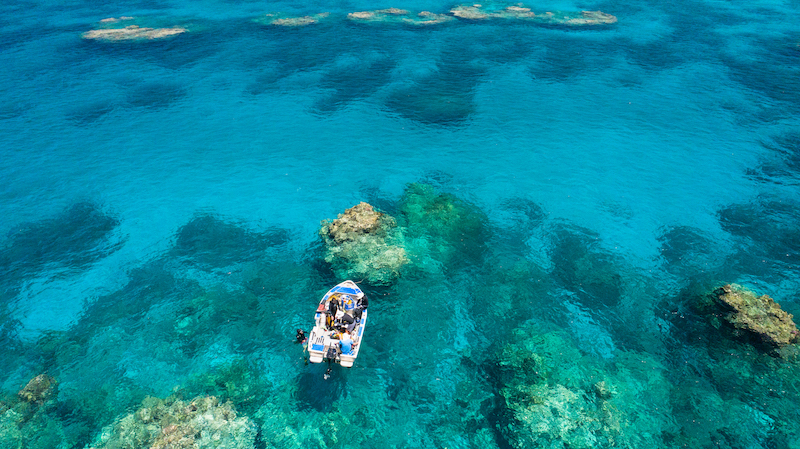
Covid 2020: The year of the quiet ocean – BBC
Impact of Vessel Activity on Underwater Sound and Marine Life
The International Quiet Ocean Experiment (IQOE) collected data during New Zealand’s 2020 shipping ban, revealing that even minor changes in vessel activity significantly affect underwater sound levels. This finding highlights how noise pollution from both small boats and large ships can interfere with marine animals’ ability to hear and communicate, posing challenges to marine biodiversity and ecosystem health.
Utilizing Underwater Sound for Ocean Restoration
Understanding the role of sound in marine life behavior has enabled scientists to employ underwater acoustics as a restoration tool. By playing recordings of healthy reef soundscapes through underwater speakers, researchers can attract fish and other marine species back to damaged reefs. This method accelerates reef recovery and helps restore vibrant marine ecosystems.
“We false advertise that they are thriving neighbourhoods,” said Simpson, emphasizing the strategy of simulating healthy habitats to encourage marine life return.
World Ocean Passive Acoustics Monitoring (WOPAM) Day
One significant outcome of the IQOE is the establishment of the annual World Ocean Passive Acoustics Monitoring (WOPAM) Day, initiated by scientists Miles Parsons and Simpson. Launched on 8 June 2023, WOPAM Day promotes the global capture of underwater soundscapes, ranging from urban canals in London to rural ponds in France.
“Like many good ideas, WOPAM started over a beer with Miles at a conference in Germany,” Simpson remarked. The initiative quickly gained momentum, receiving over 200 responses initially and expanding to hundreds of participants worldwide in 2023 who share recordings, research findings, and their passion for ocean listening.
Contribution to Sustainable Development Goals (SDGs)
The efforts described align closely with several United Nations Sustainable Development Goals, particularly:
- SDG 14: Life Below Water
- Reducing underwater noise pollution to protect marine biodiversity.
- Restoring damaged marine ecosystems through innovative acoustic methods.
- Enhancing scientific understanding of ocean health and marine species behavior.
- SDG 13: Climate Action
- Promoting ocean health as a critical component of climate resilience.
- SDG 17: Partnerships for the Goals
- Fostering international collaboration through initiatives like WOPAM Day.
- Engaging global communities in citizen science and data sharing.
These initiatives demonstrate how scientific research and community engagement can contribute to sustainable ocean management and biodiversity conservation, supporting global efforts to achieve the SDGs.
1. Sustainable Development Goals (SDGs) Addressed or Connected
- SDG 14: Life Below Water
- The article focuses on marine life, underwater sound pollution, and ocean restoration, which directly relate to SDG 14 aimed at conserving and sustainably using the oceans, seas, and marine resources.
- SDG 13: Climate Action
- The reduction of noise pollution from vessels during New Zealand’s shipping ban highlights actions that can mitigate human impacts on marine ecosystems, contributing indirectly to climate resilience and adaptation.
- SDG 15: Life on Land
- While primarily about marine ecosystems, the use of soundscapes to restore damaged reefs also supports broader biodiversity conservation efforts relevant to SDG 15.
2. Specific Targets Under Those SDGs Identified
- SDG 14 Targets
- Target 14.2: Sustainably manage and protect marine and coastal ecosystems to avoid significant adverse impacts, including restoring them to achieve healthy and productive oceans.
- Target 14.4: Effectively regulate harvesting and end overfishing, illegal, unreported, and unregulated fishing, and destructive fishing practices to restore fish stocks.
- SDG 13 Target
- Target 13.3: Improve education, awareness-raising, and human and institutional capacity on climate change mitigation, adaptation, impact reduction, and early warning.
- SDG 15 Target
- Target 15.5: Take urgent and significant action to reduce the degradation of natural habitats, halt the loss of biodiversity, and protect and prevent the extinction of threatened species.
3. Indicators Mentioned or Implied to Measure Progress
- Underwater Sound Levels and Noise Pollution
- Measurement of underwater sound changes due to vessel activity (e.g., during New Zealand’s shipping ban) can serve as an indicator of noise pollution affecting marine life communication.
- Marine Life Presence and Behavior
- Use of underwater soundscapes to attract fish and marine species back to damaged reefs implies indicators related to biodiversity recovery and ecosystem health, such as fish population density and species diversity at restored reefs.
- Global Participation in Ocean Monitoring
- Number of participants and recordings shared during the World Ocean Passive Acoustics Monitoring (WOPAM) Day reflects awareness and capacity-building efforts, relevant to SDG 13.3.
4. Table of SDGs, Targets, and Indicators
| SDGs | Targets | Indicators |
|---|---|---|
| SDG 14: Life Below Water |
|
|
| SDG 13: Climate Action |
|
|
| SDG 15: Life on Land |
|
|
Source: bbc.com
What is Your Reaction?
 Like
0
Like
0
 Dislike
0
Dislike
0
 Love
0
Love
0
 Funny
0
Funny
0
 Angry
0
Angry
0
 Sad
0
Sad
0
 Wow
0
Wow
0