














































;Resize=620#)











Debate over world language education in Tennessee schools – Nashville Banner

Report on Proposed Changes to World Language Graduation Requirements in Tennessee and Alignment with Sustainable Development Goals
1.0 Introduction and Executive Summary
This report analyzes the proposed policy change by the Tennessee State Board of Education to reduce the world language graduation requirement for public high school students from two credits to one. The proposal, initiated by Board Chair Robert Eby, aims to provide students with greater flexibility for elective coursework, particularly in Career and Technical Education (CTE). However, this has generated significant opposition from educators, students, and language advocates who argue the change undermines key tenets of a comprehensive education and conflicts with several United Nations Sustainable Development Goals (SDGs), most notably SDG 4 (Quality Education), SDG 10 (Reduced Inequalities), and SDG 8 (Decent Work and Economic Growth).
2.0 Analysis of the Proposal
The core of the proposal is to modify the state’s minimum graduation requirements to better align with specific postsecondary and career pathways. This approach prioritizes vocational readiness and economic development within the state.
2.1 Stated Rationale
- Alignment with SDG 8 (Decent Work and Economic Growth): The primary justification is to prepare students for in-demand jobs in Tennessee’s growing economy by allowing more time for CTE, dual enrollment, and work-based learning. This directly addresses SDG Target 8.6, which aims to reduce the proportion of youth not in employment, education, or training.
- Alignment with SDG 4 (Quality Education): The proposal is framed as a move to enhance relevant skills for employment, in line with SDG Target 4.4, which calls for increasing the number of youth and adults with technical and vocational skills.
2.2 Proposed Mechanism
- Reduce the mandatory world language credits from two to one.
- Increase the number of required elective courses from three to four, which can be fulfilled by CTE, fine arts, or computer science courses.
3.0 Stakeholder Counterarguments and Impact on Sustainable Development
Opposition to the proposal highlights the integral role of world language education in achieving a holistic and equitable educational framework as envisioned by the SDGs. Testimonies from students and educators underscore the multifaceted benefits that would be lost.
3.1 Contribution to SDG 4: Quality Education
Advocates argue that world language proficiency is a cornerstone of quality education, directly supporting SDG Target 4.7, which aims to ensure learners acquire knowledge and skills for sustainable development, including global citizenship and appreciation of cultural diversity.
- Personal and Social Development: Students reported that language classes provided a refuge during mental health challenges, fostering collaboration and shared struggle, which contributes to well-being (SDG 3).
- Global Citizenship: Educators emphasize that modern language instruction focuses on proficiency and intercultural communication, essential skills for navigating a globalized world. The ability to interact with diverse cultures promotes a culture of peace and non-violence (SDG 16).
3.2 Contribution to SDG 10: Reduced Inequalities
The proposed reduction is seen as a threat to educational equity, potentially widening the gap between different student populations.
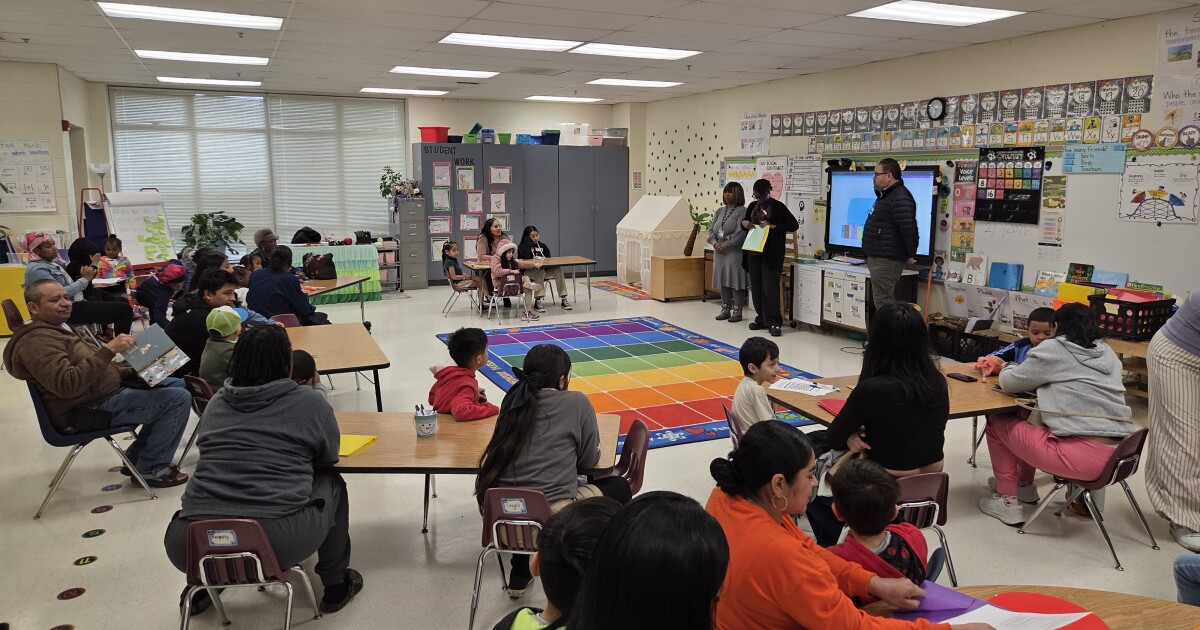
- Support for Heritage Speakers: For students like Aldair Ortiz, Spanish class provided a crucial link to his cultural heritage and family, fostering inclusion. Dual immersion programs, such as those at Paragon Mills Elementary, demonstrate how language education empowers English learners and heritage speakers from day one, directly addressing inequalities.
- Rural vs. Urban Disparity: There is significant concern that rural districts with fewer resources would be the first to eliminate language programs, limiting the opportunities of their students compared to those in more affluent urban districts.
- Improved Community Services: As demonstrated by medical assistant Addison Holly, language skills enable professionals to provide more equitable and effective care to non-English speaking populations, reducing systemic inequalities in access to services.
3.3 Contribution to SDG 8: Decent Work and Economic Growth
Contrary to the proposal’s premise, educators contend that world language skills are not mutually exclusive with CTE but are, in fact, a critical component of career readiness in the 21st century.
- Enhanced Employability: Multilingualism is an asset in numerous fields, including medicine, law, technology, and business. A former student noted they could earn more money in their current job if they were proficient in Spanish.
- Global Economic Integration: As noted by the Joint National Committee for Languages (JNCL), language skills open doors to international industries, such as the French nuclear industry in rural Virginia, demonstrating that language is additive to STEM and CTE fields.
4.0 Implementation Challenges and Systemic Risks
The proposal raises concerns about the long-term viability of world language programs and the state’s ability to provide equitable access.
4.1 Program Viability and Teacher Staffing
- Risk of Program Elimination: Reducing the requirement may incentivize districts, particularly those facing budget and staffing pressures, to cut language programs entirely.
- Teacher Shortages: The difficulty in recruiting qualified world language teachers is an existing challenge. The proposal could disincentivize individuals from entering the profession, exacerbating the shortage.
- Proposed Mitigation: The suggestion to use asynchronous virtual instruction via the Niswonger Foundation is a potential partnership (SDG 17) but raises questions about the quality and effectiveness compared to in-person, proficiency-based teaching.
5.0 Conclusion
The proposal to reduce Tennessee’s world language graduation requirement represents a narrow interpretation of educational purpose, focused primarily on specific vocational outcomes aligned with SDG Target 4.4 and SDG 8. While well-intentioned, this policy risks undermining the broader, more holistic objectives of the Sustainable Development Goals. The counterarguments presented by stakeholders demonstrate that world language education is a critical driver for achieving SDG 4 (Quality Education), SDG 10 (Reduced Inequalities), and a more robust vision of SDG 8 (Decent Work) by equipping students with skills for global citizenship, intercultural communication, and enhanced career opportunities in a diverse world. A balanced educational policy that integrates both vocational training and global competencies is essential for fostering truly sustainable development.
1. Which SDGs are addressed or connected to the issues highlighted in the article?
SDG 4: Quality Education
- The article’s central theme is the debate over what constitutes a quality, well-rounded education for high school students in Tennessee. The discussion revolves around the proposal to reduce the mandatory world language credits, pitting it against the need for Career and Technical Education (CTE) to prepare students for “postsecondary success.”
- It explores the educational value of world languages, not just for communication but for fostering global citizenship and cultural understanding, as educators argue it is a “crucial piece of a well-rounded education.”
- The article also touches upon the quality of teaching, highlighting a school where teachers leading Spanish courses are not fluent speakers, and the need to recruit qualified language teachers.
SDG 8: Decent Work and Economic Growth
- The debate is heavily framed by economic considerations. The push for more CTE courses is justified by the need to fill in-demand jobs and ensure “Tennessee won’t grow economically” if these jobs are not filled.
- The article provides specific examples of how language skills lead to better career opportunities and economic benefits, such as a medical assistant providing better care, a Verizon employee who could “make more money,” and students finding “phenomenal jobs” in the French nuclear industry.
- It directly addresses the issue of decent work for teachers, noting that “every world language teacher right now in Tennessee is scared to see, are we going to be employed in a few months?”
SDG 10: Reduced Inequalities
- The article raises concerns about educational inequality, particularly for students in rural areas. It notes that “protecting world language programs is a particular concern in rural districts with fewer resources,” which may eliminate these programs if they are no longer required, thus creating a disparity in opportunity.
- It highlights efforts to reduce inequality for immigrant and heritage-speaking students through dual immersion programs. These programs remove the “language barrier that prevents students from engaging with the material,” promoting the inclusion of students who might otherwise be left behind.
2. What specific targets under those SDGs can be identified based on the article’s content?
Target 4.1: Ensure that all girls and boys complete free, equitable and quality primary and secondary education leading to relevant and effective learning outcomes.
- The entire debate is about defining what “quality,” “relevant,” and “effective” secondary education means in Tennessee. The proposal to reduce language credits in favor of CTE is a direct policy discussion about the content of the curriculum and its intended learning outcomes for students graduating high school.
Target 4.4: Substantially increase the number of youth and adults who have relevant skills, including technical and vocational skills, for employment, decent jobs and entrepreneurship.
- This target is central to the argument for reducing the language requirement. Board Chair Eby’s goal is to provide students “flexibility to take elective courses” like CTE, dual enrollment, and work-based learning, which he sees as more directly aligned with college and career goals and filling jobs in Tennessee’s economy.
Target 4.7: Ensure that all learners acquire the knowledge and skills needed to promote sustainable development, including… global citizenship and appreciation of cultural diversity…
- This target is supported by the educators and students who argue that language education is essential for more than just career readiness. They emphasize its role in enabling students “to communicate with people of diverse backgrounds, and to learn about global cultures,” which are core components of global citizenship.
Target 4.c: Substantially increase the supply of qualified teachers…
- The article directly addresses this target by highlighting the difficulty in staffing schools with qualified language teachers. It cites a Nashville high school where teachers leading Spanish courses “do not speak Spanish or have degrees in world languages,” pointing to a shortage. The fear that reducing the requirement will make it “that much harder to staff schools” also relates to maintaining a stable supply of teachers.
Target 8.6: Substantially reduce the proportion of youth not in employment, education or training.
- The focus on CTE and preparing students for “postsecondary success” is explicitly aimed at ensuring graduates are ready for the workforce or further education, directly addressing the goal of reducing the number of young people who are not employed or in training after high school.
Target 10.3: Ensure equal opportunity and reduce inequalities of outcome…
- This target is relevant to the concern that dropping the language requirement would disproportionately affect students in “rural districts with fewer resources,” who might lose access to language programs altogether. This would create an inequality of opportunity compared to students in better-funded districts.
3. Are there any indicators mentioned or implied in the article that can be used to measure progress towards the identified targets?
Number of required world language credits for high school graduation.
- This is a direct, quantifiable policy indicator. The article is centered on the proposal to change this number from two to one. This indicator measures the extent to which the state’s education policy values and mainstreams global citizenship education (Target 4.7).
Enrollment numbers in CTE versus world language courses.
- This is an implied indicator. The proposal aims to increase flexibility for students to take more CTE courses. Tracking enrollment trends in these two areas would measure the practical impact of the policy change on student choices and the state’s progress towards increasing vocational skills (Target 4.4).
Number and qualification of world language teachers.
- The article implies this is a key metric by describing a school where teachers are not qualified to teach Spanish and noting the difficulty in finding replacements. The number of certified world language teachers employed, especially in rural districts, would be a direct indicator of both teacher supply (Target 4.c) and equitable access (Target 10.3).
Availability of world language programs across different types of school districts (e.g., rural vs. urban).
- This is an implied indicator of equity. The concern that rural schools might eliminate language programs suggests that tracking the number of schools offering these programs by district type would be a way to measure whether the policy change is increasing educational inequality (Target 10.3).
Employment and wage outcomes for graduates with bilingual skills.
- The article implies this indicator through anecdotes, such as the Verizon employee who could “make more money” with Spanish skills. Systematically tracking employment rates and salary data for bilingual graduates would provide a quantitative measure of the economic value of language education (Target 8.6).
4. Create a table with three columns titled ‘SDGs, Targets and Indicators” to present the findings from analyzing the article.
| SDGs | Targets | Indicators |
|---|---|---|
| SDG 4: Quality Education |
4.1: Ensure equitable and quality secondary education.
4.4: Increase the number of youth with relevant skills for employment. 4.7: Ensure all learners acquire knowledge for global citizenship and cultural diversity. 4.c: Increase the supply of qualified teachers. |
– Number of required world language credits for graduation. – Enrollment numbers in CTE vs. world language courses. – Number and qualification status of employed world language teachers. |
| SDG 8: Decent Work and Economic Growth | 8.6: Reduce the proportion of youth not in employment, education or training. |
– Employment and wage outcomes for graduates with bilingual skills. – Job security and employment rates for world language teachers. |
| SDG 10: Reduced Inequalities | 10.3: Ensure equal opportunity and reduce inequalities of outcome. |
– Availability of world language programs in rural vs. urban school districts. – Academic engagement and performance of heritage speakers in dual immersion programs. |
Source: nashvillebanner.com
What is Your Reaction?
 Like
0
Like
0
 Dislike
0
Dislike
0
 Love
0
Love
0
 Funny
0
Funny
0
 Angry
0
Angry
0
 Sad
0
Sad
0
 Wow
0
Wow
0