
























































Drastic water shortages and air pollution are fuelling Iran’s protests – The Conversation
Environmental Crises in Iran: A Multifaceted Challenge
Iran is currently facing a convergence of severe environmental crises, including water shortages, land subsidence, air pollution, and energy failures. These challenges collectively threaten the basic survival of its population, as reported by environmental engineer Nima Shokri. The situation in Iran highlights critical issues related to the United Nations Sustainable Development Goals (SDGs), particularly SDG 6 (Clean Water and Sanitation), SDG 11 (Sustainable Cities and Communities), SDG 13 (Climate Action), and SDG 3 (Good Health and Well-being).
Key Environmental Challenges in Iran
- Water Scarcity: Many farmers have been displaced due to drying water sources, making agriculture unsustainable.
- Land Subsidence: The land is collapsing and cracking, affecting millions of people and reducing arable land.
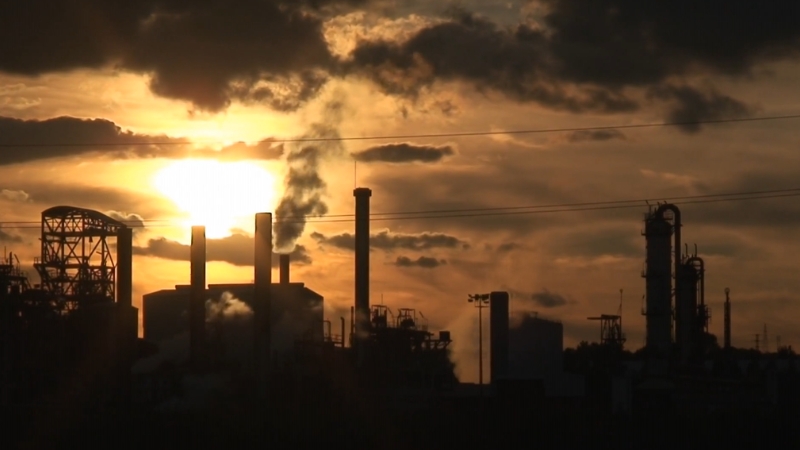
- Air Pollution: Extremely high pollution levels have led to hospital and school closures and increased health issues.
- Energy Failures: Energy shortages exacerbate the living conditions and environmental degradation.
Impact on Society and Protests
The environmental hardships have intensified social unrest, with massive protests occurring in regions most affected by these crises. The struggle for basic needs such as clean water and breathable air is a significant factor driving public dissatisfaction, alongside political and economic grievances.
Government Policies and Environmental Degradation
Iran’s environmental crises have been exacerbated by policy decisions that conflict with sustainable development principles. These include:
- Promotion of water-intensive agriculture despite reduced rainfall (SDG 2: Zero Hunger, SDG 6: Clean Water and Sanitation).
- Excessive groundwater extraction leading to land subsidence (SDG 15: Life on Land).
- Use of heavy fuels contributing to air pollution (SDG 7: Affordable and Clean Energy, SDG 13: Climate Action).
- Weak environmental regulations failing to protect public health (SDG 3: Good Health and Well-being).
As a result, Iran’s capital was ranked the most polluted city globally in early 2026, with over 59,000 premature deaths annually linked to air pollution. These conditions underscore the urgent need for integrated policies aligned with SDGs to mitigate environmental and health risks.
Comparative Water Crises: Mexico’s Experience
Similar water scarcity issues are evident in Mexico, where prolonged droughts have led to drying reservoirs and increased water insecurity. Key points include:
- Water shortages projected to affect 30 out of 32 Mexican states by 2050 (SDG 6: Clean Water and Sanitation).
- Economic burdens on households spending significant income on water access.
- International water-sharing agreements complicate resource management between Mexico and the United States (SDG 17: Partnerships for the Goals).
Global Water Scarcity: A Widespread Crisis
Approximately four billion people worldwide experience severe water scarcity for at least one month annually, reflecting a global challenge aligned with SDG 6 (Clean Water and Sanitation) and SDG 13 (Climate Action). The consequences include:
- Dry reservoirs and crop failures impacting food security (SDG 2: Zero Hunger).
- Urban subsidence due to groundwater over-extraction, with cities like Mexico City and regions in Iran sinking by up to 30 cm per year (SDG 11: Sustainable Cities and Communities).
- Increased frequency of wildfires and dust storms affecting health and ecosystems (SDG 15: Life on Land, SDG 3: Good Health and Well-being).
The United Nations has described this situation as “water bankruptcy,” where water use exceeds natural replenishment rates, causing irreversible environmental damage and heightening tensions over resource access.
Conclusion: The Urgency of Sustainable Development
The environmental crises in Iran, Mexico, and globally emphasize the critical importance of achieving the Sustainable Development Goals. Addressing water scarcity, air pollution, and land degradation requires coordinated policy action, investment in sustainable infrastructure, and international cooperation to ensure equitable access to resources and protect vulnerable populations.
For further information and ongoing updates on climate and environmental issues, subscribe to The Conversation’s weekly climate action newsletter, Imagine.
1. Sustainable Development Goals (SDGs) Addressed or Connected
- SDG 6: Clean Water and Sanitation
- The article discusses severe water shortages in Iran and Mexico, affecting millions of people and leading to water scarcity crises.
- SDG 11: Sustainable Cities and Communities
- Issues such as land subsidence in cities like Mexico City and Iranian urban areas are highlighted, affecting the sustainability of urban living.
- SDG 13: Climate Action
- The article connects droughts, water scarcity, and environmental degradation to climate-related challenges globally.
- SDG 3: Good Health and Well-being
- Air pollution causing premature deaths and health issues is a major concern raised in the article.
- SDG 15: Life on Land
- Land degradation and subsidence affecting agricultural land and ecosystems are discussed.
2. Specific Targets Under Those SDGs Identified
- SDG 6: Clean Water and Sanitation
- Target 6.1: Achieve universal and equitable access to safe and affordable drinking water for all.
- Target 6.4: Substantially increase water-use efficiency across all sectors and ensure sustainable withdrawals and supply of freshwater.
- SDG 11: Sustainable Cities and Communities
- Target 11.3: Enhance inclusive and sustainable urbanization and capacity for participatory, integrated human settlement planning and management.
- Target 11.6: Reduce the adverse per capita environmental impact of cities, including air quality and waste management.
- SDG 13: Climate Action
- Target 13.1: Strengthen resilience and adaptive capacity to climate-related hazards and natural disasters.
- SDG 3: Good Health and Well-being
- Target 3.9: Reduce the number of deaths and illnesses from hazardous chemicals and air, water, and soil pollution and contamination.
- SDG 15: Life on Land
- Target 15.3: Combat desertification, restore degraded land and soil, including land affected by drought and floods.
3. Indicators Mentioned or Implied to Measure Progress
- Water Scarcity and Access
- Proportion of population using safely managed drinking water services (SDG 6.1.1).
- Water use efficiency measured by volume of water used per unit of GDP (SDG 6.4.1).
- Number of people affected by water shortages or spending significant income on water supply.
- Air Pollution and Health
- Number of premature deaths attributed to air pollution (SDG 3.9.1).
- Air quality indices and pollution levels in cities (related to SDG 11.6.2).
- Land Subsidence and Degradation
- Rate of land subsidence in affected urban and rural areas.
- Extent of degraded land area (SDG 15.3.1).
- Climate Resilience
- Measures of resilience and adaptive capacity to climate hazards (SDG 13.1.2).
4. Table of SDGs, Targets, and Indicators
| SDGs | Targets | Indicators |
|---|---|---|
| SDG 6: Clean Water and Sanitation |
|
|
| SDG 11: Sustainable Cities and Communities |
|
|
| SDG 13: Climate Action |
|
|
| SDG 3: Good Health and Well-being |
|
|
| SDG 15: Life on Land |
|
|
Source: theconversation.com
What is Your Reaction?
 Like
0
Like
0
 Dislike
0
Dislike
0
 Love
0
Love
0
 Funny
0
Funny
0
 Angry
0
Angry
0
 Sad
0
Sad
0
 Wow
0
Wow
0