































Dying coral reefs threaten Florida’s future – The Invading Sea
Report on the Functional Extinction of Key Coral Species in Florida and Implications for Sustainable Development Goals
Introduction: A Marine Ecosystem Crisis
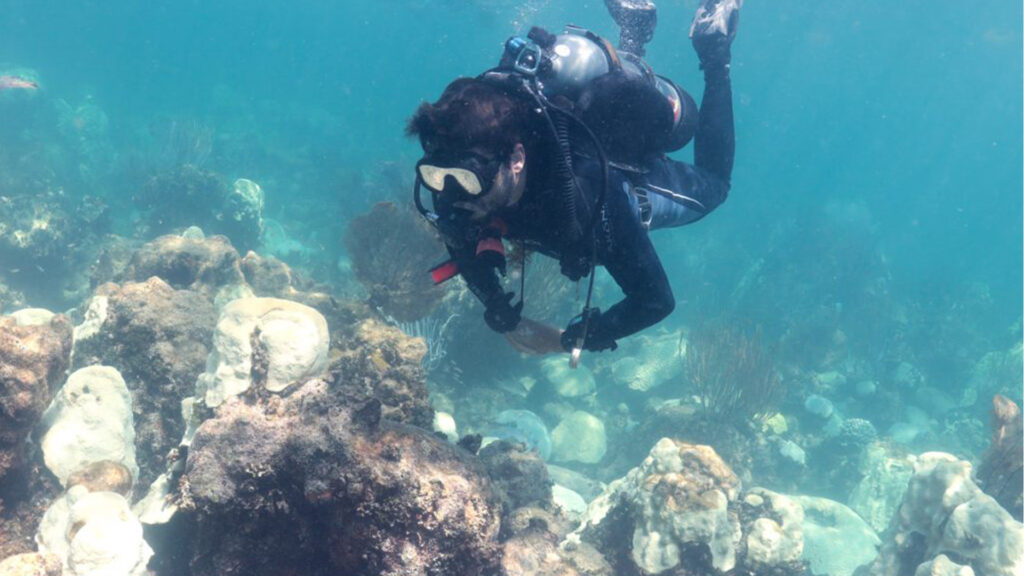
A recent report from the National Oceanic and Atmospheric Administration (NOAA) has declared two foundational coral species in Florida, elkhorn and staghorn coral, to be functionally extinct. This ecological catastrophe is a direct consequence of unprecedented ocean temperatures recorded in 2023, which triggered a mass coral bleaching event. This development poses a significant threat to the achievement of multiple United Nations Sustainable Development Goals (SDGs), particularly those related to marine life, economic stability, and climate action.
Ecological Devastation and SDG 14: Life Below Water
The collapse of these coral populations represents a critical failure in the objectives outlined by SDG 14 (Life Below Water), which calls for the conservation and sustainable use of oceans, seas, and marine resources. The branching structures of elkhorn and staghorn coral provide essential habitats for a diverse range of marine life, and their loss severely undermines the biodiversity and health of the entire reef ecosystem.
- Mass Mortality: The NOAA study found that at least 97% of elkhorn and staghorn coral species off the Florida Keys and the Dry Tortugas are now dead or dying.
- Coral Bleaching: Sustained high water temperatures caused the coral to expel the symbiotic algae living in their tissues, leading to bleaching, starvation, and death.
- Regional Impact: Even north of the Keys, reefs off South Florida experienced a 39% loss from the 2023 warming event alone.
- Loss of “Reef Builders”: Researchers note that the surviving coral population is insufficient to naturally repair the extensive damage, compromising the structural integrity of Florida’s entire reef system.
Economic Consequences and SDG 8: Decent Work and Economic Growth
The degradation of Florida’s coral reefs directly threatens local and state economies, jeopardizing progress toward SDG 8 (Decent Work and Economic Growth). The state’s reef system is a cornerstone of major industries that provide significant revenue and employment.
- Tourism Sector: John Pennekamp State Park, which attracts over a million visitors annually for snorkeling and diving, faces a devastating loss of its primary attraction. The decline in marine biodiversity will negatively impact the broader eco-tourism industry.
- Fisheries Industry: Florida’s sport fishing industry, which generates over $13 billion in annual revenue, is at risk. The reefs serve as vital spawning and nursery grounds for many commercially and recreationally important fish species.
Coastal Vulnerability and its Link to SDG 11 and SDG 13
The loss of coral reefs exacerbates coastal vulnerability, creating challenges for SDG 11 (Sustainable Cities and Communities) and highlighting the tangible impacts of climate change as addressed in SDG 13 (Climate Action). Healthy reefs provide critical natural infrastructure for coastal protection.
- Loss of Natural Defenses: A functioning reef system can absorb up to 90% of offshore wave energy, protecting coastlines from erosion and storm surge.
- Accelerated Beach Erosion: Florida already faces a critical erosion problem, with state surveys identifying 226 miles of eroding beach on the east coast and 433 miles on the Gulf coast. The loss of reef protection will intensify this process.
- Threat to Coastal Communities: The continued erosion threatens barrier island communities, including residential properties, hotels, and infrastructure, potentially requiring costly interventions or eventual abandonment.
Conclusion: The Imperative for Climate Action (SDG 13)
The functional extinction of Florida’s key reef-building corals is a direct indicator of the escalating climate crisis. The primary driver of this ecological disaster is rising ocean temperatures fueled by global carbon emissions. Addressing this crisis requires a committed and immediate response aligned with the goals of SDG 13 (Climate Action). Without significant global efforts to reduce emissions and mitigate ocean warming, the survival of Florida’s remaining coral reefs—and the ecological, economic, and community benefits they provide—remains in grave peril.
Analysis of SDGs, Targets, and Indicators
1. Which SDGs are addressed or connected to the issues highlighted in the article?
- SDG 14: Life Below Water: This is the most directly relevant SDG. The article’s central theme is the destruction of marine ecosystems, specifically the functional extinction of elkhorn and staghorn coral reefs in Florida due to rising ocean temperatures and pollution. It discusses the loss of marine biodiversity and the degradation of a critical underwater habitat.
- SDG 13: Climate Action: The article explicitly identifies climate change as the primary driver of the coral reef destruction. It points to the “hottest year on record” causing a rise in water temperatures that leads to coral bleaching. It concludes by calling for a “nationwide commitment to reduce carbon emissions” as the only viable long-term solution.
- SDG 8: Decent Work and Economic Growth: The economic consequences of the reef’s destruction are a key focus. The article highlights the threat to Florida’s tourism industry, which relies on attractions like the John Pennekamp State Park, and the state’s sport fishing industry, which “generates $13 billion-plus in revenue each year” and depends on the reefs as spawning grounds.
- SDG 11: Sustainable Cities and Communities: The article connects the loss of coral reefs to the increased vulnerability of coastal communities. It explains that a healthy reef system can “absorb up to 90% of offshore wave energy,” protecting coastlines. Without this protection, beach erosion worsens, potentially forcing Florida to “abandon some of its barrier-island coastal communities.”
- SDG 15: Life on Land: While primarily focused on terrestrial life, this goal’s target on halting biodiversity loss is relevant. The article details the “functional extinction” of two key coral species, which represents a significant loss of biodiversity and the degradation of a natural habitat, directly aligning with the goal’s aim to prevent the extinction of threatened species.
2. What specific targets under those SDGs can be identified based on the article’s content?
- Target 14.2: By 2020, sustainably manage and protect marine and coastal ecosystems to avoid significant adverse impacts… and take action for their restoration. The article directly addresses the failure to protect the coral reef ecosystem from the adverse impact of heat, leading to its collapse. The mention of scientists “working on ways to revive coral species” relates to the restoration aspect of this target.
- Target 13.1: Strengthen resilience and adaptive capacity to climate-related hazards and natural disasters in all countries. The article demonstrates a decrease in resilience. The loss of the reef system, which absorbs wave energy, makes Florida’s coastline and its communities more vulnerable to erosion and storms, which are climate-related hazards.
- Target 15.5: Take urgent and significant action to reduce the degradation of natural habitats, halt the loss of biodiversity and, by 2020, protect and prevent the extinction of threatened species. The announcement that elkhorn and staghorn coral are “functionally extinct” is a direct example of failing to meet this target. The article frames this as an “environmental emergency” requiring urgent action.
- Target 8.9: By 2030, devise and implement policies to promote sustainable tourism. The article implies a threat to this target by showing how the degradation of a key natural asset (the coral reefs) jeopardizes the sustainability of Florida’s tourism industry, which depends on attractions like snorkeling and diving.
- Target 11.5: By 2030, significantly reduce… direct economic losses… caused by disasters, including water-related disasters, with a focus on protecting… people in vulnerable situations. The article highlights the increased risk of coastal erosion and the potential for “billions of dollars” in economic losses as beaches disappear and coastal communities are threatened, which is a direct consequence of losing the reef’s natural protection.
3. Are there any indicators mentioned or implied in the article that can be used to measure progress towards the identified targets?
- Percentage of coral cover loss: The article provides specific data points that can serve as indicators of ecosystem health. It states that “at least 97% of those two coral species off the Florida Keys… are now dead or dying” and that reefs off South Florida showed a “39% loss.” These figures directly measure the degradation of the marine ecosystem (Target 14.2).
- Miles of eroded coastline: To measure coastal vulnerability (Target 13.1 and 11.5), the article provides statistics from a state survey: “226 miles of critically eroding beach on the state’s east coast… and another 433 miles of eroding Gulf beaches.” This is a clear indicator of the loss of natural coastal defenses.
- Economic revenue from marine-dependent industries: The article mentions that the sport fishing industry “generates $13 billion-plus in revenue each year.” Tracking this revenue over time would be an indicator of the economic impact of reef loss and the sustainability of the local economy (Target 8.9).
- Number of visitors to natural attractions: The fact that John Pennekamp State Park “draws more than a million snorkelers, divers, anglers and others per year” is an indicator of the value of sustainable tourism. A decline in this number could measure the negative impact on the tourism sector (Target 8.9).
- Water temperature records: The article cites the “hottest year on record in 130 years” as the trigger for the bleaching event. Ocean temperature is a primary indicator for measuring the climate change impacts that threaten marine life (Target 13.1).
4. Summary Table
| SDGs | Targets | Indicators |
|---|---|---|
| SDG 14: Life Below Water | 14.2: Sustainably manage and protect marine and coastal ecosystems. | Percentage of coral species dead or dying (97% in the Florida Keys, 39% off South Florida). |
| SDG 13: Climate Action | 13.1: Strengthen resilience and adaptive capacity to climate-related hazards. | Record-high water temperatures; Miles of critically eroding beaches (226 on east coast, 433 on Gulf coast). |
| SDG 15: Life on Land | 15.5: Halt the loss of biodiversity and prevent the extinction of threatened species. | Number of species declared “functionally extinct” (two key coral species). |
| SDG 8: Decent Work and Economic Growth | 8.9: Promote sustainable tourism. | Annual revenue from sport fishing industry ($13 billion-plus); Number of annual visitors to key parks (over 1 million to John Pennekamp State Park). |
| SDG 11: Sustainable Cities and Communities | 11.5: Reduce economic losses from water-related disasters. | Percentage of wave energy absorbed by reefs (up to 90%); Potential for abandonment of barrier-island coastal communities. |
Source: theinvadingsea.com
What is Your Reaction?
 Like
0
Like
0
 Dislike
0
Dislike
0
 Love
0
Love
0
 Funny
0
Funny
0
 Angry
0
Angry
0
 Sad
0
Sad
0
 Wow
0
Wow
0