
























































FAO/WHO Identify High-Priority Chemical Contaminants in Water Used for Agri-Food Production – Food Safety Magazine
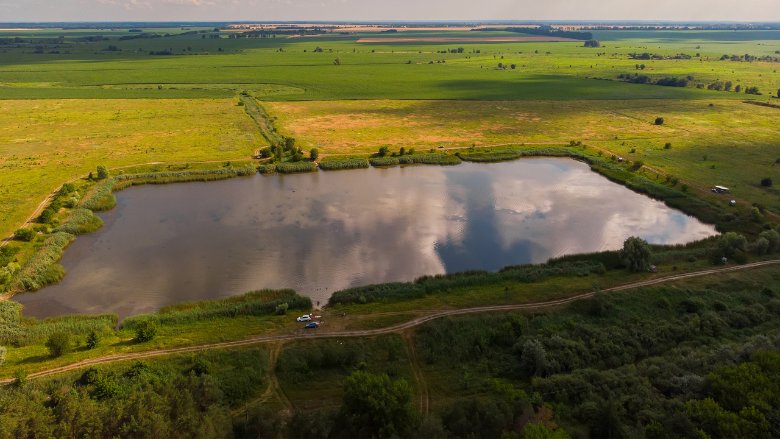
Report on Chemical Contamination of Water in Agri-Food Systems and Food Safety Risks
Introduction
The Food and Agriculture Organization of the United Nations (FAO) and World Health Organization (WHO) have published a comprehensive report assessing the food safety risks associated with chemical contamination of water used in agri-food systems. This report highlights critical challenges and aligns with the Sustainable Development Goals (SDGs), particularly SDG 2 (Zero Hunger), SDG 3 (Good Health and Well-being), SDG 6 (Clean Water and Sanitation), and SDG 12 (Responsible Consumption and Production).
Context and Importance
Water systems globally are under unprecedented pressure due to climate change and increasing demand driven by population growth. Consequently, the use of alternative water sources for agriculture is rising, often involving water of lower or unknown quality. These sources may contain chemical contaminants posing significant food safety risks. The report emphasizes that chemical contaminants in water have not yet been comprehensively addressed as a food safety concern, underscoring the need for urgent action aligned with SDG 6 and SDG 12.
Methodology of Risk Prioritization
- Collection of data on reported chemical hazards in water sources.
- Qualitative assessment of reported chemicals for their uptake into foods.
- Collection of data on reported exposures to chemicals from waterborne sources.
Sources of Chemical Contamination
- Natural geological and biological processes.
- Persistent organic pollutants (POPs).
- Agricultural and industrial activities.
- Wastewater and stormwater.
- Water infrastructure and treatment processes.
High-Priority Chemical Hazards Identified
The report identifies several chemicals and chemical groups as high-priority due to dietary exposures from agri-food water sources exceeding health-based guidance values (HBGVs), posing risks to human health and food security (SDG 3 and SDG 2):
- Anatoxin-a and analogues
- Arsenic
- Cadmium
- Cylindrospermopsins
- Fluoride
- Lead
- Microcystins and nodularins
- Perfluorooctanoic acid (PFOA), a type of per- and polyfluoroalkyl substance (PFAS)
- Perfluorooctane sulfonic acid (PFOS), a PFAS
- Radium
- Saxitoxins
- Thallium
Medium-Priority Chemical Hazards
Eleven chemicals/groups were classified as medium-priority due to dietary exposures approaching HBGVs:
- Carbamazepine
- Chlorate
- Cobalt
- Lithium
- Mercury
- Nickel
- Polychlorinated dibenzo-p-dioxins/furans (PCDD/F) and dioxin-like polychlorinated biphenyls (DL-PCBs)
- Perchlorate
- Di(2-ethylhexyl) phthalate (DEHP)
- Selenium
- Uranium
Low-Priority Chemical Hazards
Twenty-nine chemicals were rated as low-priority for food safety risks but remain relevant for monitoring, including:
- Aluminum
- N,N-diethyl-meta-toluamide (DEET)
- Nitrate
- Organochlorine pesticides
- Organophosphorus flame retardants
- Polycyclic aromatic hydrocarbons (PAHs)
- Perfluorohexanoic acid (PFHxA), a PFAS
- Diisononyl phthalate (DINP)
- Tetracyclines
- Triazine herbicides
- Disinfection byproducts from sanitizers
Gaps and Emerging Challenges
- Many chemical contaminants in agri-food water sources lack established food safety risk management guidelines, highlighting a critical gap in achieving SDG 3 and SDG 12.
- Emerging issues and technologies influencing water use and recycling raise new food safety concerns, necessitating continuous risk assessment. These include:
- Climate change impacts (SDG 13)
- Advances in chemistry
- Alternative water sources
- New food production systems
- Chemical mixtures
- Antimicrobial resistance (AMR)
Recommendations and Way Forward
- Improve and standardize the assessment of dietary exposure to waterborne chemical contaminants to enhance food safety management.
- Adopt a “One Health” approach integrating water scarcity, food security, animal, crop, environmental, and human health considerations, supporting the interconnected SDGs.
- Develop and implement comprehensive risk management guidelines for chemical contaminants in agri-food water sources.
- Promote interdisciplinary collaboration and research to address emerging challenges and safeguard sustainable food systems.
Conclusion
The FAO/WHO report underscores the urgent need to address chemical contamination in water used for agriculture to protect food safety and public health. Aligning efforts with the Sustainable Development Goals will be essential to ensure safe, sustainable, and resilient agri-food systems worldwide.
1. Sustainable Development Goals (SDGs) Addressed or Connected
- SDG 2: Zero Hunger
- The article discusses food safety risks related to chemical contamination in water used in agri-food systems, which directly impacts food security and safe food production.
- SDG 3: Good Health and Well-being
- It highlights health risks from chemical contaminants in water that can enter the food chain, affecting human health.
- SDG 6: Clean Water and Sanitation
- The article focuses on water quality issues, contamination sources, and the use of alternative water sources in agriculture.
- SDG 12: Responsible Consumption and Production
- It emphasizes the need for risk management guidelines and sustainable practices to manage chemical contaminants in agri-food water sources.
- SDG 13: Climate Action
- Climate change is identified as a factor increasing pressure on water systems and affecting water quality.
- SDG 15: Life on Land
- The article mentions environmental health and the impact of chemical contaminants on ecosystems.
2. Specific Targets Under Those SDGs Identified
- SDG 2: Zero Hunger
- Target 2.4: By 2030, ensure sustainable food production systems and implement resilient agricultural practices that increase productivity and production, help maintain ecosystems, and strengthen capacity for adaptation to climate change.
- SDG 3: Good Health and Well-being
- Target 3.9: By 2030, substantially reduce the number of deaths and illnesses from hazardous chemicals and air, water, and soil pollution and contamination.
- SDG 6: Clean Water and Sanitation
- Target 6.3: By 2030, improve water quality by reducing pollution, eliminating dumping, and minimizing release of hazardous chemicals and materials.
- SDG 12: Responsible Consumption and Production
- Target 12.4: By 2020, achieve the environmentally sound management of chemicals and all wastes throughout their life cycle.
- SDG 13: Climate Action
- Target 13.1: Strengthen resilience and adaptive capacity to climate-related hazards and natural disasters in all countries.
- SDG 15: Life on Land
- Target 15.1: Ensure the conservation, restoration, and sustainable use of terrestrial and inland freshwater ecosystems.
3. Indicators Mentioned or Implied to Measure Progress
- Indicators related to chemical contamination in water and food safety:
- Measurement of chemical concentrations in water sources used for agriculture (e.g., arsenic, cadmium, lead, PFAS compounds).
- Dietary exposure levels to chemical contaminants from agri-food water sources compared to health-based guidance values (HBGVs).
- Incidence and prevalence of foodborne illnesses or health conditions linked to chemical contaminants in food.
- Data collection on reported chemical hazards and exposures in water sources.
- Indicators related to water quality and management:
- Proportion of water bodies meeting water quality standards for safe agricultural use.
- Extent of implementation of food safety risk management guidelines for chemical contaminants in water.
- Monitoring of emerging issues such as antimicrobial resistance (AMR) linked to waterborne contaminants.
- Indicators related to climate change impact:
- Assessment of water scarcity and changes in water quality due to climate change.
4. Table: SDGs, Targets and Indicators
| SDGs | Targets | Indicators |
|---|---|---|
| SDG 2: Zero Hunger | Target 2.4: Sustainable food production systems and resilient agricultural practices. |
|
| SDG 3: Good Health and Well-being | Target 3.9: Reduce deaths and illnesses from hazardous chemicals and pollution. |
|
| SDG 6: Clean Water and Sanitation | Target 6.3: Improve water quality by reducing pollution and hazardous chemical release. |
|
| SDG 12: Responsible Consumption and Production | Target 12.4: Environmentally sound management of chemicals and wastes. |
|
| SDG 13: Climate Action | Target 13.1: Strengthen resilience and adaptive capacity to climate hazards. |
|
| SDG 15: Life on Land | Target 15.1: Conservation and sustainable use of terrestrial and freshwater ecosystems. |
|
Source: food-safety.com
What is Your Reaction?
 Like
0
Like
0
 Dislike
0
Dislike
0
 Love
0
Love
0
 Funny
0
Funny
0
 Angry
0
Angry
0
 Sad
0
Sad
0
 Wow
0
Wow
0