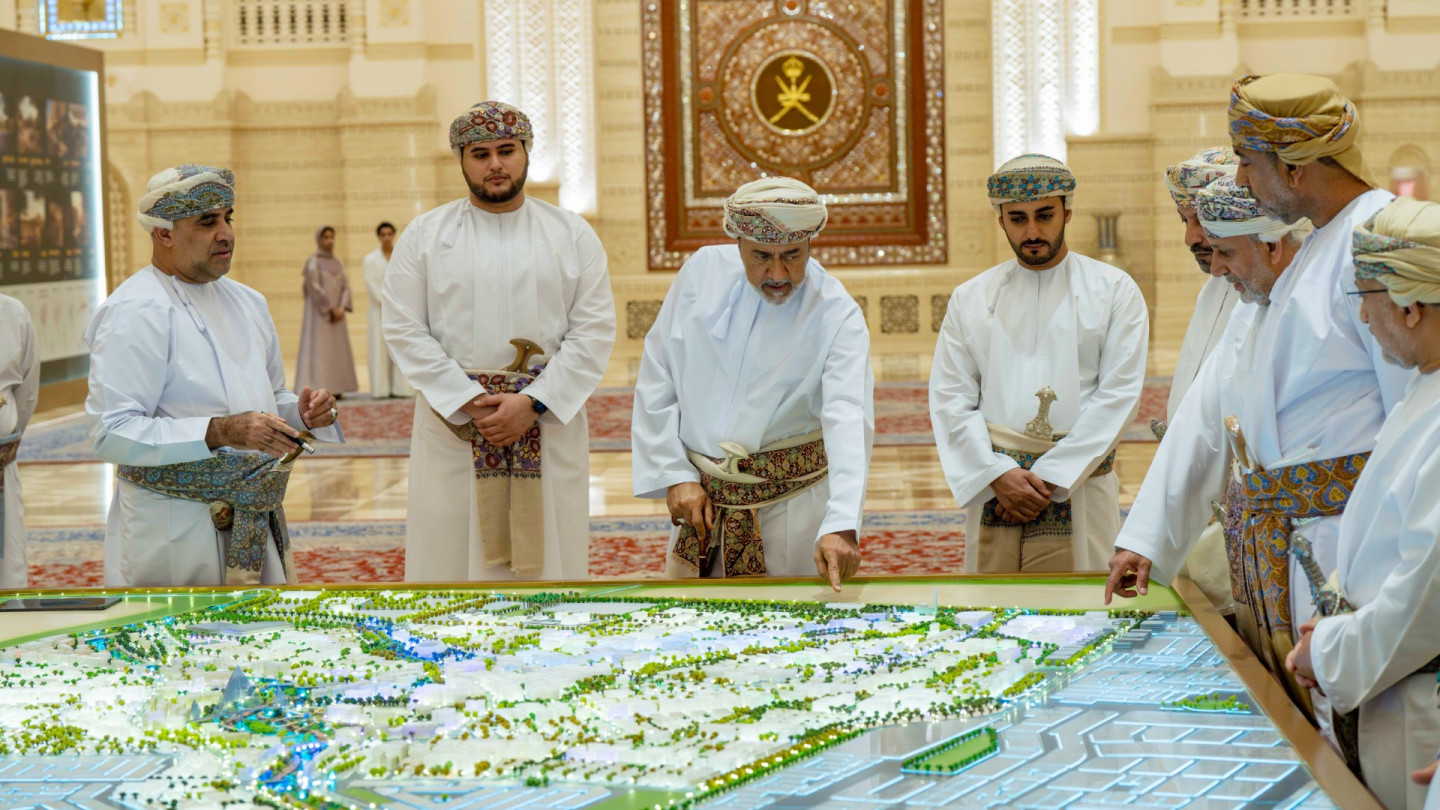

















G20 Ministers call for disaster risk reduction (DRR), parametric insurance, cat bonds – Artemis.bm
G20 Ministers Convene in Johannesburg to Advance Sustainable Disaster Risk Reduction
Introduction to the G20 and Its Role in Sustainable Development
The Group of Twenty (G20), an intergovernmental forum consisting of 19 sovereign countries, the European Union (EU), and the African Union (AU), recently held a ministerial meeting in Johannesburg, South Africa. The forum addresses critical global challenges including international financial stability, climate change mitigation, and sustainable development. These efforts align closely with the United Nations Sustainable Development Goals (SDGs), particularly SDG 13 (Climate Action), SDG 11 (Sustainable Cities and Communities), and SDG 17 (Partnerships for the Goals).
Commitment to Building Sustainable Resilience through Disaster Risk Reduction (DRR)
During the meeting, G20 Ministers emphasized the importance of investing in sustainable resilience by prioritizing disaster risk reduction (DRR). They highlighted the need for evidence-based policymaking and anticipatory action to prevent and mitigate the impacts of disasters. This approach supports SDG 1 (No Poverty) and SDG 3 (Good Health and Well-being) by protecting lives and livelihoods.
Key DRR Tools and Financial Instruments Encouraged
- Parametric Insurance
- Risk Pools
- Contingent Credit
- Catastrophe Bonds
- Insurance Guarantee Facilities
These financial mechanisms are designed to provide affordable, inclusive, and accessible pre-arranged financing to enhance preparedness and enable timely, flexible, and equitable disaster response and recovery. Their implementation directly contributes to SDG 9 (Industry, Innovation, and Infrastructure) and SDG 10 (Reduced Inequalities).
Addressing the Increasing Frequency and Impact of Disasters
The Ministers recognized that disasters and shocks—exacerbated by climate change—are increasing in frequency, intensity, and geographic scope, thereby hindering progress toward sustainable development. They stressed the need to strengthen disaster resilience and response, particularly in countries vulnerable to natural catastrophes, aligning with SDG 13 (Climate Action) and SDG 15 (Life on Land).
Focus on Vulnerable Groups and Regions
- Small Island Developing States (SIDS) – disproportionately affected by disasters and facing high adaptation costs.
- Least Developed Countries (LDCs) – requiring enhanced support for disaster mitigation, preparedness, and recovery.
The Ministers underscored the importance of integrated, inclusive, people-centered, and comprehensive approaches to DRR, which support SDG 5 (Gender Equality) and SDG 10 (Reduced Inequalities).
Global Cooperation and Support for Sustainable Resilience
The G20 Ministers called upon the global community—including donors, international financial institutions, development banks, and the private sector—to:
- Address post-disaster recovery and reconstruction
- Promote adaptation, disaster mitigation, and preparedness
- Implement rebuilding measures that foster sustainable resilience
- Respect national circumstances and priorities of developing and vulnerable countries
These actions are essential to achieving SDG 17 (Partnerships for the Goals) and ensuring that disaster risk reduction efforts contribute to reducing poverty and inequality (SDG 1 and SDG 10).
Enhancing Means of Implementation and Nature-Based Solutions
The Ministers highlighted the necessity for adequate, sustainable, and timely resources through international cooperation and global partnerships. They welcomed nature-based and ecosystem-based approaches as effective measures to minimize disaster risk and build resilience, which aligns with SDG 15 (Life on Land) and SDG 13 (Climate Action).
Advancing Sustainable Finance for Disaster Risk Reduction
The Ministers acknowledged recommendations from the 2025 G20 Presidency and the Sustainable Finance Working Group (SFWG) regarding:
- Addressing natural catastrophe insurance protection gaps
- Integrating adaptation and resilience into voluntary transition plans of financial institutions and corporations
They reaffirmed their commitment to the ongoing implementation of the G20 Sustainable Finance Roadmap, a voluntary and flexible multi-year action plan that supports sustainable development and climate resilience, reinforcing SDG 8 (Decent Work and Economic Growth) and SDG 12 (Responsible Consumption and Production).
Conclusion
The G20 Ministers’ meeting in Johannesburg marked a significant step toward strengthening global disaster risk reduction efforts through sustainable finance and resilience-building tools. By focusing on inclusive, evidence-based policies and international cooperation, the G20 continues to support the achievement of the Sustainable Development Goals, ensuring that vulnerable populations are protected and global development is sustained in the face of increasing disaster risks.
1. Sustainable Development Goals (SDGs) Addressed or Connected
- SDG 1: No Poverty – The article discusses how disasters disproportionately affect vulnerable populations, exacerbating poverty and inequality.
- SDG 11: Sustainable Cities and Communities – Emphasis on disaster risk reduction and building resilience in communities prone to natural catastrophes.
- SDG 13: Climate Action – Focus on climate change mitigation, adaptation, and resilience-building measures.
- SDG 17: Partnerships for the Goals – Calls for international cooperation, global partnerships, and financing mechanisms to support disaster risk reduction and sustainable resilience.
2. Specific Targets Under Those SDGs Identified
- SDG 1 – Target 1.5: Build the resilience of the poor and those in vulnerable situations and reduce their exposure and vulnerability to climate-related extreme events and other economic, social and environmental shocks and disasters.
- SDG 11 – Target 11.5: Significantly reduce the number of deaths and the number of people affected by disasters, including water-related disasters, with a focus on protecting the poor and vulnerable.
- SDG 13 – Target 13.1: Strengthen resilience and adaptive capacity to climate-related hazards and natural disasters in all countries.
- SDG 17 – Target 17.3: Mobilize additional financial resources for developing countries from multiple sources.
- SDG 17 – Target 17.17: Encourage and promote effective public, public-private and civil society partnerships, building on the experience and resourcing strategies of partnerships.
3. Indicators Mentioned or Implied to Measure Progress
- Disaster Risk Reduction Instruments Usage: The article mentions the use of parametric insurance, catastrophe bonds, risk pools, contingent credit, and insurance guarantee facilities as tools to measure and enhance disaster resilience.
- Frequency and Impact of Disasters: Monitoring the increasing frequency, intensity, and geographic extent of disasters and their impact on vulnerable populations.
- Financial Resources Mobilized: Tracking the adequacy, sustainability, and timeliness of resources provided through international cooperation and partnerships to support disaster risk reduction.
- Implementation of Sustainable Finance Roadmap: Progress in integrating adaptation and resilience considerations into financial institutions’ transition plans as per the G20 Sustainable Finance Working Group recommendations.
- Nature-based Solutions Adoption: Use of ecosystem-based approaches to minimize risks and build resilience, which can be monitored through ecosystem service indicators.
4. Table: SDGs, Targets and Indicators
| SDGs | Targets | Indicators |
|---|---|---|
| SDG 1: No Poverty | Target 1.5: Build resilience of the poor and vulnerable to climate-related extreme events and other shocks. |
|
| SDG 11: Sustainable Cities and Communities | Target 11.5: Reduce deaths and people affected by disasters, focusing on the poor and vulnerable. |
|
| SDG 13: Climate Action | Target 13.1: Strengthen resilience and adaptive capacity to climate-related hazards and natural disasters. |
|
| SDG 17: Partnerships for the Goals |
|
|
Source: artemis.bm
What is Your Reaction?
 Like
0
Like
0
 Dislike
0
Dislike
0
 Love
0
Love
0
 Funny
0
Funny
0
 Angry
0
Angry
0
 Sad
0
Sad
0
 Wow
0
Wow
0