


























































Honolulu installs $11 million UV disinfection at Kailua wastewater plant – Spectrum News
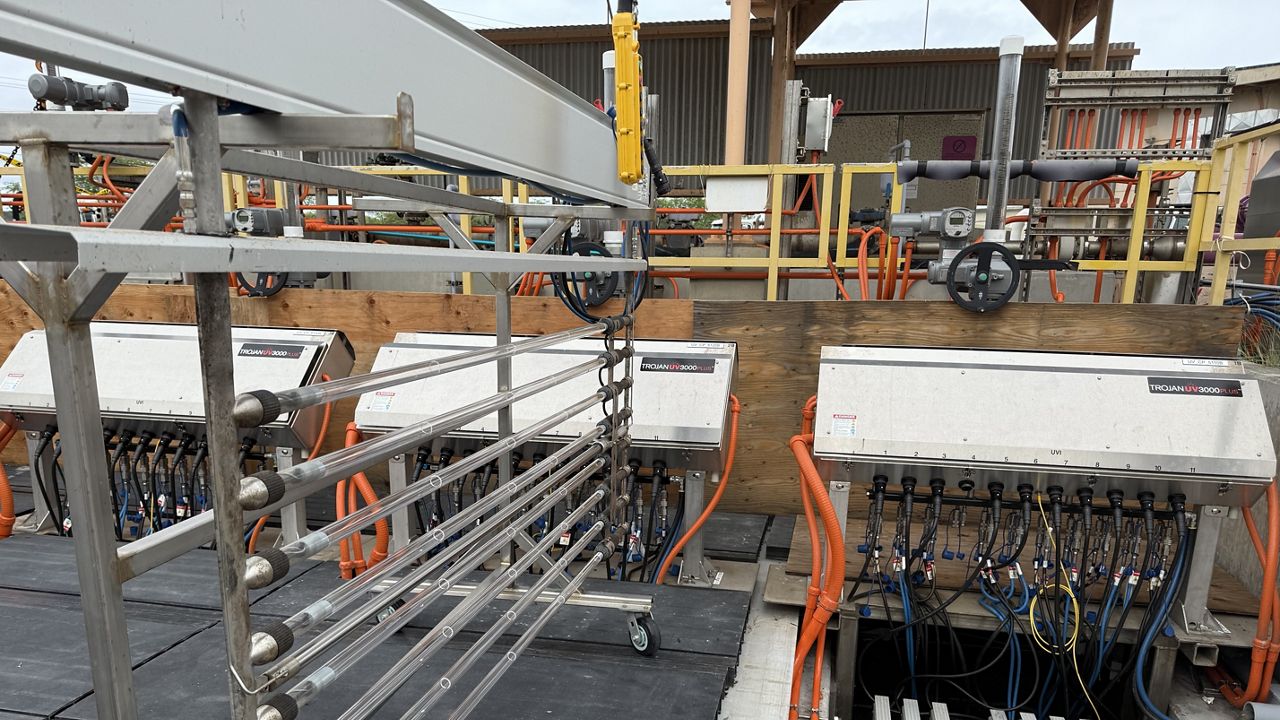
Installation of Advanced Ultraviolet Disinfection System at Kailua Regional Wastewater Treatment Plant
Overview
The City and County of Honolulu’s Department of Environmental Services has successfully installed an $11 million ultraviolet (UV) disinfection system at the Kailua Regional Wastewater Treatment Plant. Following a rigorous two-month testing and commissioning phase without failure, the system is now fully operational.
Significance to Sustainable Development Goals (SDGs)
- SDG 6: Clean Water and Sanitation – The new UV disinfection system enhances water treatment processes, ensuring safer discharge into the ocean and protecting marine ecosystems.
- SDG 14: Life Below Water – By reducing harmful bacteria in wastewater, the system contributes to the health of Kailua Bay and surrounding marine life.
- SDG 9: Industry, Innovation, and Infrastructure – Implementation of advanced UV technology demonstrates commitment to innovative and sustainable infrastructure.
- SDG 11: Sustainable Cities and Communities – The upgrade supports the long-term environmental sustainability of Kailua’s shoreline and community health.
Wastewater Treatment Process
- Preliminary Treatment: Large objects such as cloth, cans, sticks, rags, rocks, batteries, and fish heads are removed using large screens. Gravity assists in settling paper products that should not be flushed.
- Waste Collection and Compaction: Mechanical rakes or screens collect the waste, which is then compacted in a hopper to remove excess water before disposal at the landfill.
- Primary Treatment: Wastewater is transferred to large open-air settling tanks where solids settle at the bottom (primary sludge) and oil and grease float to the top (scum). Revolving arms scrape solids while microorganisms break down organic waste.
- Disinfection: The final step involves the new UV disinfection system. Unlike traditional chlorine treatment, this advanced process passes water through a closed channel under UV lamps that kill or weaken bacteria before discharge into the ocean.
Benefits of the UV Disinfection System
- Provides a clean and efficient method for protecting Kailua’s shoreline.
- Utilizes state-of-the-art technology to ensure environmental safety and public health.
- Meets regulatory requirements with installation mandated by December 31, 2025.
- Processes an average of 10.77 million gallons of wastewater daily, significantly improving water quality.
Monitoring and Transparency
Water-quality sample data are collected at seven stations in Kailua Bay near the wastewater treatment plant to monitor the effectiveness of the system. This data is publicly accessible and can be viewed here.
Official Statement
Dr. Roger Babcock, Director of Environmental Services, emphasized the importance of the upgrade: “The upgrade strengthens the protection of our shoreline in a way that is clean and efficient for Kailua’s long-term future. Residents can rest assured knowing we are using the latest technology to care for our ocean.”
1. Sustainable Development Goals (SDGs) Addressed
- SDG 6: Clean Water and Sanitation – The article discusses the installation of an advanced ultraviolet (UV) disinfection system at a wastewater treatment plant, aiming to improve water quality and sanitation.
- SDG 14: Life Below Water – The improved wastewater treatment and disinfection process protects the ocean and marine ecosystems by ensuring cleaner discharge into Kailua Bay.
- SDG 11: Sustainable Cities and Communities – The upgrade contributes to a cleaner and more sustainable urban environment by managing wastewater effectively.
2. Specific Targets Under the Identified SDGs
- SDG 6 Targets:
- Target 6.3: Improve water quality by reducing pollution, minimizing release of hazardous chemicals and materials, and substantially increasing recycling and safe reuse globally.
- Target 6.6: Protect and restore water-related ecosystems, including rivers, wetlands, and lakes.
- SDG 14 Targets:
- Target 14.1: Prevent and significantly reduce marine pollution of all kinds, particularly from land-based activities, including marine debris and nutrient pollution.
- SDG 11 Targets:
- Target 11.6: Reduce the adverse per capita environmental impact of cities, including by paying special attention to air quality and municipal and other waste management.
3. Indicators Mentioned or Implied to Measure Progress
- Water Quality Monitoring Data: The article mentions water-quality sample data collected at seven stations in Kailua Bay near the wastewater treatment plant. This data can serve as an indicator to measure improvements in water quality and reduction in pollution (related to SDG 6.3 and SDG 14.1).
- Wastewater Treatment Capacity: The plant processes an average of 10.77 million gallons of wastewater per day, indicating the scale of treatment and potential impact on sanitation and pollution control (related to SDG 6.3 and SDG 11.6).
- Use of Advanced Disinfection Technology: The installation and successful operation of the UV disinfection system itself is an indicator of technological advancement in wastewater treatment, contributing to improved water quality and ecosystem protection.
4. Table of SDGs, Targets, and Indicators
| SDGs | Targets | Indicators |
|---|---|---|
| SDG 6: Clean Water and Sanitation |
|
|
| SDG 14: Life Below Water |
|
|
| SDG 11: Sustainable Cities and Communities |
|
|
Source: spectrumlocalnews.com
What is Your Reaction?
 Like
0
Like
0
 Dislike
0
Dislike
0
 Love
0
Love
0
 Funny
0
Funny
0
 Angry
0
Angry
0
 Sad
0
Sad
0
 Wow
0
Wow
0







