















































How friends in South Carolina are restoring a wetland and bringing their neighborhood together – AP News

A Local Initiative for Global Goals: The MARSH Project’s Impact on Sustainable Development in Charleston, S.C.
Introduction: A Community-Led Response to Environmental Degradation
- The Marsh Appreciation and Restoration Society for Happiness (MARSH) Project was established in Charleston, South Carolina, as a local environmental initiative.
- The project’s primary focus is the restoration and preservation of Halsey Creek, a tidal salt marsh located within an urban neighborhood.
- This initiative provides a tangible model of how local action can directly contribute to achieving several United Nations Sustainable Development Goals (SDGs).
Advancing Climate Action and Sustainable Communities (SDG 13 & SDG 11)
- The project directly addresses the need for climate action by enhancing the community’s resilience to climate-related hazards.
-
Key environmental challenges targeted:
- Increased flooding risk in Charleston due to hurricanes, a threat compounded by climate change-driven sea-level rise.
- The degradation of natural wetlands, which serve as critical infrastructure for floodwater absorption.
- By restoring the marsh, the project aims to create a more sustainable and resilient urban community, capable of mitigating the impacts of extreme weather events. Future plans include installing improved drainage and a tidal gate to enhance the marsh’s floodwater absorption capacity by millions of gallons.
Conserving Life Below Water and On Land (SDG 14 & SDG 15)
- The MARSH Project is actively working to halt biodiversity loss and restore vital ecosystems, aligning with SDG 14 (Life Below Water) and SDG 15 (Life on Land).
-
Core conservation activities include:
- Securing an acre of land to protect it from development and ensure its preservation as a natural wetland.
- Rewilding the creek’s edges through the strategic planting of native species, such as goldenrod and Elliott’s aster.
- Establishing pollinator gardens to support local insect populations and enhance biodiversity.
- These actions directly improve the habitat for a wide range of species, including fish, oysters, birds like kingfishers and egrets, and various insects, thereby strengthening the local ecosystem.
Improving Water Quality and Sanitation (SDG 6)
- The initiative makes a direct contribution to SDG 6 by addressing water pollution in the urban wetland.
-
Pollution control efforts have been a cornerstone of the project:
- Community-organized clean-up events have successfully removed substantial waste, including tires, electronics, and even a car engine.
- The removal of this long-term pollution improves the water quality of Halsey Creek and the larger Ashley River system.
- The project also incorporates scientific monitoring by involving students in water quality testing, promoting citizen science and engagement in the protection of local water resources.
Fostering Partnerships and Environmental Education (SDG 17 & SDG 4)
- The project serves as a model for SDG 17 (Partnerships for the Goals) by demonstrating the power of community collaboration.
-
Key partnership elements:
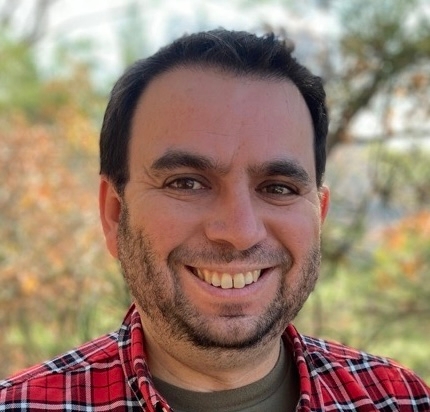
- The project was founded by a small group of residents and successfully mobilized dozens of volunteers from its inception.
- It actively engages with homeowners to promote the use of native plants and create a network of environmentally beneficial gardens.
- A strong emphasis is placed on inclusive and equitable quality education (SDG 4) by fostering a connection between residents, particularly children, and the natural world through events like public lectures and educational “moth nights.”
Conclusion: The Impact of Localized Environmental Stewardship
- The MARSH Project illustrates that small-scale, community-driven initiatives are effective in achieving measurable progress toward global sustainability targets.
- By focusing on tangible local actions, the project has successfully engaged its community, addressed environmental degradation, and built a foundation for long-term ecological health.
- Future ambitions to create a wildlife corridor of native plants across the city demonstrate a commitment to scaling this successful model for an even greater impact on urban biodiversity and sustainability.
Analysis of Sustainable Development Goals in the Article
1. Which SDGs are addressed or connected to the issues highlighted in the article?
- SDG 6: Clean Water and Sanitation: The article discusses the negative impact of wetland loss on water quality, mentioning “dirtier water” as a consequence. The restoration efforts, including trash pickups and the natural filtering capacity of wetlands and oyster beds, directly address the goal of improving water quality and protecting water-related ecosystems.
- SDG 11: Sustainable Cities and Communities: The project is a community-based initiative within an urban neighborhood of Charleston. It aims to make the community more resilient to flooding (“less protection against floods”), a significant concern for the “hurricane-prone” city. The project also enhances local green space, building a sense of community and connection to the natural environment.
- SDG 13: Climate Action: The article explicitly links the local environmental issues to climate change, stating that flood threats “are compounded further by sea rise, which is being driven by climate change.” The restoration of wetlands to “help absorb floodwater” is a direct climate adaptation and resilience-building measure at the local level.
- SDG 14: Life Below Water: The project focuses on restoring a “tidal salt marsh,” which is a critical coastal ecosystem. The article notes that wetland loss leads to “fewer fish” and mentions the presence of “oyster beds that filter water.” The restoration efforts aim to protect and revive this coastal habitat and the marine life it supports.
- SDG 15: Life on Land: The degradation of the wetland has led to a loss of biodiversity, including “fewer plants, fewer insects and birds.” The project’s actions, such as “rewilding its edges,” “planting pollinator gardens,” and creating “a corridor of native plants and trees to connect wildlife,” are all aimed at restoring terrestrial and freshwater ecosystems and halting biodiversity loss.
2. What specific targets under those SDGs can be identified based on the article’s content?
-
Target 6.6: By 2020, protect and restore water-related ecosystems, including mountains, forests, wetlands, rivers, aquifers and lakes.
- The entire “Marsh Appreciation and Restoration Society for Happiness Project” is dedicated to restoring the Halsey Creek wetland, a tidal salt marsh. Actions like “preserving its tidal flow, expanding its reach and rewilding its edges” directly contribute to this target.
-
Target 11.5: By 2030, significantly reduce the number of deaths and the number of people affected… by disasters, including water-related disasters.
- The article identifies flooding as a “special concern in hurricane-prone Charleston.” The project’s goal to improve the marsh’s ability to “absorb millions of additional gallons of that floodwater” is a direct effort to mitigate the impact of water-related disasters on the community.
-
Target 13.1: Strengthen resilience and adaptive capacity to climate-related hazards and natural disasters in all countries.
- By restoring the wetland’s natural function to absorb floodwater, the community is strengthening its resilience to the impacts of climate change, such as increased storm threats and sea-level rise, which are explicitly mentioned in the article.
-
Target 14.2: By 2020, sustainably manage and protect marine and coastal ecosystems to avoid significant adverse impacts… and take action for their restoration.
- The project is focused on a “tidal salt marsh,” a coastal ecosystem. The purchase of an acre of land to ensure “it will stay wetlands, not become new houses” is a direct protection measure, while the cleanup and rewilding efforts are actions for its restoration.
-
Target 15.5: Take urgent and significant action to reduce the degradation of natural habitats, halt the loss of biodiversity and, by 2020, protect and prevent the extinction of threatened species.
- The project directly counters habitat degradation by removing “generations of garbage” and aims to halt biodiversity loss by “planting pollinator gardens” and creating wildlife corridors to support local populations of insects, birds, and other animals.
3. Are there any indicators mentioned or implied in the article that can be used to measure progress towards the identified targets?
- For Target 6.6: The article mentions that the project involves “testing water quality,” which is a direct indicator of the health of the water-related ecosystem. Another indicator is the extent of the restored area, exemplified by the “purchase [of] an acre of land” for conservation.
- For Target 11.5 & 13.1: An implied indicator is the increased floodwater absorption capacity of the marsh. The article mentions a goal to “help the marsh absorb millions of additional gallons of that floodwater,” which could be modeled or measured to quantify the increased resilience against flooding.
- For Target 14.2: The area of protected coastal ecosystem is a clear indicator, with the article specifying “an acre of land” was purchased. The health of the ecosystem could be measured by monitoring the populations of key species mentioned, such as fish and oysters.
- For Target 15.5: Progress can be measured by tracking the increase in local biodiversity. The article implies this through actions like “planting pollinator gardens” and hosting a “moth night” to observe the increase in insects. The number of native plants introduced and the area of created wildlife corridors are also tangible indicators.
- Community Engagement: While not a formal UN indicator, the article provides metrics of community involvement, such as the “50” people who attended the first trash pickup, which can be used as a local indicator of success in building community and environmental stewardship.
4. Summary of SDGs, Targets, and Indicators
| SDGs | Targets | Indicators Identified in the Article |
|---|---|---|
| SDG 6: Clean Water and Sanitation | 6.6: Protect and restore water-related ecosystems. |
|
| SDG 11: Sustainable Cities and Communities | 11.5: Reduce the impact of water-related disasters. |
|
| SDG 13: Climate Action | 13.1: Strengthen resilience and adaptive capacity to climate-related hazards. |
|
| SDG 14: Life Below Water | 14.2: Protect and restore marine and coastal ecosystems. |
|
| SDG 15: Life on Land | 15.5: Halt biodiversity loss. |
|
Source: apnews.com
What is Your Reaction?
 Like
0
Like
0
 Dislike
0
Dislike
0
 Love
0
Love
0
 Funny
0
Funny
0
 Angry
0
Angry
0
 Sad
0
Sad
0
 Wow
0
Wow
0

sdgtalks
I was built to make this world a better place :)