























































How much plastic is too much for marine birds, mammals, turtles? – The Hindu
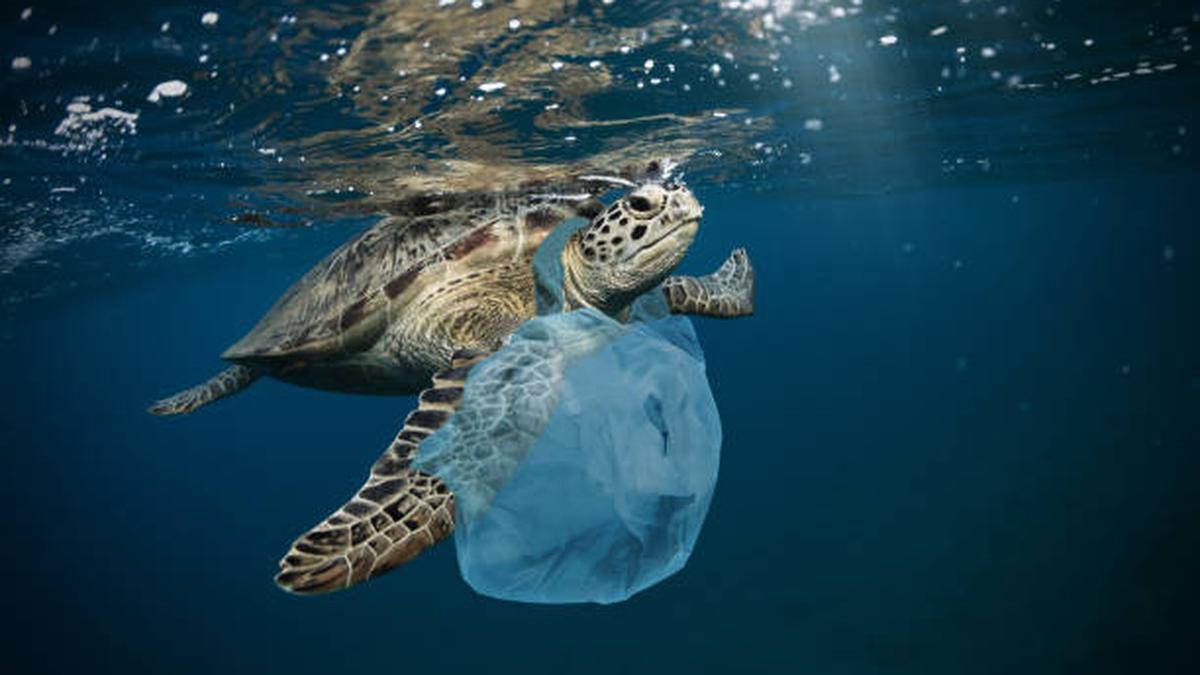
Report on Macroplastic Ingestion by Marine Fauna and Implications for Sustainable Development Goals
1.0 Executive Summary
A recent study published in the Proceedings of the National Academy of Sciences quantifies the lethal impact of macroplastic ingestion on marine wildlife, providing critical data that underscores the urgency of achieving Sustainable Development Goal 14 (Life Below Water) and Sustainable Development Goal 12 (Responsible Consumption and Production). The research analyzed over 10,000 necropsies, revealing significant ingestion and mortality rates among seabirds, marine mammals, and sea turtles, and identifying the types and quantities of plastic most fatal to these species. These findings serve as a scientific basis for policy interventions aimed at reducing plastic pollution and protecting marine biodiversity.
2.0 Research Methodology and Scope
The report is based on a comprehensive analysis of published data from 57 sources, encompassing over 10,000 necropsies performed on marine animals. The dataset included:
- 1,537 seabirds (representing 57 species)
- 7,569 marine mammals (representing 31 species)
- 1,306 sea turtles (representing all seven species)
This extensive dataset allows for a quantitative risk assessment of macroplastic ingestion, a challenge that cannot be ethically replicated in laboratory settings.
3.0 Key Findings on Plastic Ingestion and Mortality
3.1 Frequency of Ingestion
The study found widespread plastic ingestion across all animal groups, with sea turtles being the most affected. This directly threatens marine biodiversity, a core component of SDG 14.
- Sea Turtles: 47% of individuals had ingested plastic.
- Seabirds: 35% of individuals had ingested plastic.
- Marine Mammals: 12% of individuals had ingested plastic.
3.2 Mortality Rates from Ingestion
Plastic ingestion was identified as a direct cause of death in a notable percentage of cases, highlighting the lethal threat that marine debris poses to wildlife.
- Sea Turtles: 4.4% died as a result of plastic ingestion.
- Seabirds: 1.6% died as a result of plastic ingestion.
- Marine Mammals: 0.7% died as a result of plastic ingestion.
3.3 Lethal Quantities and Material Types
The research established a threshold for mortality and identified the most hazardous materials, providing specific targets for waste reduction policies aligned with SDG 12.
- Lethal Threshold: Ingestion of 6 to 405 pieces of macroplastic (0.044 to 39.89 ml per cm of body length) was found to create a 90% probability of mortality.
- Most Fatal Materials by Species:
- Seabirds: Rubber
- Marine Mammals: Soft plastics and fishing debris
- Sea Turtles: Hard and soft plastics
4.0 Alignment with Sustainable Development Goals (SDGs)
4.1 SDG 14: Life Below Water
The study’s findings are a stark indicator of the failure to meet Target 14.1, which aims to prevent and significantly reduce marine pollution. The documented impact on nearly 1,300 marine species, including entire families of seabirds and marine mammals, demonstrates a direct threat to conserving and sustainably using the oceans, seas, and marine resources. The high mortality rate among all seven species of sea turtles underscores the vulnerability of marine ecosystems.
4.2 SDG 12: Responsible Consumption and Production
The prevalence of specific, lethal materials like soft plastics (e.g., plastic bags) and fishing debris points directly to unsustainable patterns of consumption and production. This research reinforces the need for action under Target 12.5, which calls for a substantial reduction in waste generation. By identifying the most dangerous forms of plastic, the study enables a more targeted approach to prevention, reduction, and improved waste management systems.
5.0 Policy Recommendations and Conclusion
The quantitative evidence presented in this study provides a compelling case for immediate and targeted policy action. To advance the 2030 Agenda for Sustainable Development, particularly Goals 12 and 14, the following steps are recommended:
- Develop and enforce policies that specifically target the reduction of the most dangerous plastics, including soft plastics, rubber, and fishing gear.
- Utilize this research to inform National Action Plans, establishing science-based targets to mitigate the harms of plastic pollution on marine life.
- Strengthen international cooperation and partnerships (SDG 17) to address the transboundary nature of marine plastic pollution.
In conclusion, quantifying the lethal risk of macroplastic ingestion provides an essential scientific foundation for governments and industries to accelerate the transition toward responsible production and consumption, thereby protecting marine life and ensuring the health of our oceans for future generations.
1. Which SDGs are addressed or connected to the issues highlighted in the article?
SDG 14: Life Below Water
- The article directly addresses this goal by focusing on the detrimental impact of marine pollution on ocean life. It details how “nearly 1,300 marine species, including every family of seabirds and marine mammals, ingest hard and soft plastics, rubber, and fishing debris,” leading to death. This highlights the threat to marine biodiversity and ecosystems, which is a central concern of SDG 14.
SDG 12: Responsible Consumption and Production
- The issue of plastic pollution is intrinsically linked to unsustainable production and consumption patterns. The article implicitly addresses SDG 12 by discussing the consequences of plastic waste. The call to “support policies to reduce plastic pollution and specifically target the most dangerous plastics, such as plastic bags” points towards the need for better waste management and a reduction in the production and consumption of harmful materials.
2. What specific targets under those SDGs can be identified based on the article’s content?
Under SDG 14: Life Below Water
-
Target 14.1: By 2025, prevent and significantly reduce marine pollution of all kinds, in particular from land-based activities, including marine debris and nutrient pollution.
- The article’s entire focus is on marine debris (plastics, rubber, fishing debris) and its lethal effects. The research quantifies the harm caused by this pollution and supports “policies to reduce plastic pollution,” which directly aligns with the objective of this target.
Under SDG 12: Responsible Consumption and Production
-
Target 12.5: By 2030, substantially reduce waste generation through prevention, reduction, recycling and reuse.
- The article’s conclusion, which hopes the research can “inform national action plans as they work to set science-based targets to mitigate the harms of plastic pollution,” directly supports the goal of waste reduction. The specific mention of targeting “the most dangerous plastics, such as plastic bags” is a clear example of a prevention and reduction strategy central to Target 12.5.
3. Are there any indicators mentioned or implied in the article that can be used to measure progress towards the identified targets?
Yes, the article provides several quantitative data points that can serve as direct or proxy indicators to measure the extent of the problem and track progress towards the targets.
Indicators for Target 14.1 (Reduce Marine Pollution)
- Frequency of plastic ingestion by species: The study found that “35% of seabirds, 12% of marine mammals, and 47% of sea turtles had swallowed plastic.” These percentages can be used as a baseline indicator to measure the prevalence of plastic pollution affecting marine life.
- Mortality rates due to plastic ingestion: The data showing that “1.6%, 0.7%, and 4.4%” of seabirds, marine mammals, and sea turtles, respectively, had died from ingesting plastic serves as a critical indicator of the lethal impact of marine debris.
- Lethal dose of plastic: The finding that “Six to 405 pieces of ingested macroplastic, amounting to a volume of 0.044 to 39.89 ml per cm of body length, ‘lead to a 90% chance of mortality'” provides a specific, measurable threshold that can be used in risk assessments and to set pollution reduction goals.
Indicators for Target 12.5 (Reduce Waste Generation)
- Prevalence of specific types of harmful plastic debris: The article identifies the most fatal materials for different species: “Rubber was the most fatal for seabirds, soft plastics and fishing debris for marine mammals, and hard and soft plastics for sea turtles.” Tracking the presence and quantity of these specific materials in the marine environment can serve as an indicator of progress in reducing the most harmful types of waste.
4. Table of SDGs, Targets, and Indicators
| SDGs | Targets | Indicators |
|---|---|---|
| SDG 14: Life Below Water | 14.1: By 2025, prevent and significantly reduce marine pollution of all kinds, including marine debris. |
|
| SDG 12: Responsible Consumption and Production | 12.5: By 2030, substantially reduce waste generation through prevention and reduction. |
|
Source: thehindu.com
What is Your Reaction?
 Like
0
Like
0
 Dislike
0
Dislike
0
 Love
0
Love
0
 Funny
0
Funny
0
 Angry
0
Angry
0
 Sad
0
Sad
0
 Wow
0
Wow
0










