Lawsuit launched to protect Nevada toad and fish species – Pahrump Valley Times
Lawsuit Filed to Protect Nevada Species Threatened by Groundwater Pumping
Background and Legal Action
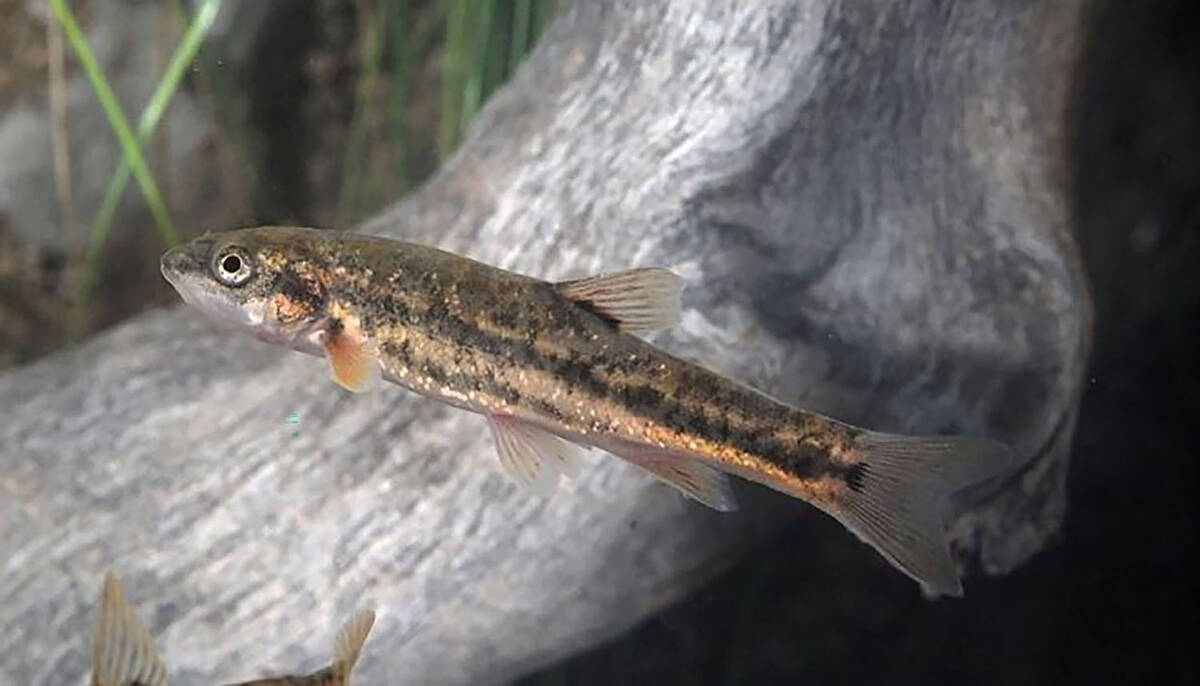
The Center for Biological Diversity, a wildlife advocacy organization, has initiated a lawsuit against the U.S. Fish and Wildlife Service (USFWS) aiming to safeguard two Nevada species: the Amargosa toad and the Oasis Valley speckled dace. The lawsuit highlights concerns that groundwater pumping for nearby gold mining operations may deplete aquatic habitats critical to these species, increasing their risk of extinction.
Species and Habitat Details
- Amargosa Toad and Oasis Valley Speckled Dace: Both species inhabit a limited number of springs along the Amargosa River near Beatty, Nevada.
- Habitat Source: Their fragile aquatic environments depend on ancient groundwater aquifers replenished during the last Ice Age.
Conservation Status and Regulatory Context
- The Amargosa toad is currently “under review” under the U.S. Endangered Species Act (ESA) according to the USFWS Environmental Conservation Online System (ECOS).
- The Oasis Valley speckled dace is presently “not listed” under the ESA.
- Internationally, the Amargosa toad is classified as “critically endangered” by the International Union for Conservation of Nature (IUCN), while the speckled dace is not listed.
- In 2024, the Center for Biological Diversity filed petitions to protect both species under the ESA; in early 2025, USFWS indicated protections may be warranted but missed the one-year deadline to make a final decision.
Threats from Mining Activities
- AngloGold Ashanti, a gold mining company, has up to seven mining projects in permitting or exploration phases surrounding Beatty and the Amargosa River.
- These mining operations have the potential to consume billions of gallons of water, threatening the groundwater aquifers that sustain the species’ habitats.
Historical Conservation Efforts
- Initial federal protection petitions for the Amargosa toad were filed in 1994 but denied due to insufficient data.
- In 2008, a subsequent petition was denied based on a collaborative conservation agreement involving local, state, and federal agencies along with landowners to mitigate threats.
- Despite these efforts, concerns remain that collaborative conservation alone cannot prevent habitat depletion caused by mining.
Emphasis on Sustainable Development Goals (SDGs)
This case underscores critical intersections with several United Nations Sustainable Development Goals:
- SDG 6 – Clean Water and Sanitation: Protecting groundwater aquifers is essential to maintain clean water sources for ecosystems and communities.
- SDG 14 – Life Below Water: Conserving aquatic species like the Oasis Valley speckled dace contributes to biodiversity and healthy freshwater ecosystems.
- SDG 15 – Life on Land: Preventing extinction of terrestrial species such as the Amargosa toad supports biodiversity and ecosystem resilience.
- SDG 12 – Responsible Consumption and Production: The lawsuit challenges unsustainable resource extraction practices that threaten ecological balance.
Statements from Advocates
Patrick Donnelly, Great Basin Director at the Center for Biological Diversity, emphasized the urgency: “Water is more precious than gold, life is worth more than money and extinction is forever. We won’t rest until the Amargosa toad and the Oasis Valley speckled dace are safe.”
Conclusion and Further Information
The lawsuit represents a critical effort to enforce environmental protections under the Endangered Species Act and aligns with global sustainability objectives. Continued advocacy and legal action aim to ensure the survival of these species and the preservation of their habitats.
For additional details and to access the full press release, visit the Center for Biological Diversity website at biologicaldiversity.org.
1. Sustainable Development Goals (SDGs) Addressed or Connected
- SDG 6: Clean Water and Sanitation
- The article highlights the threat to aquatic habitats supplied by ancient groundwater aquifers, emphasizing the importance of sustainable water management.
- SDG 14: Life Below Water
- The protection of aquatic species such as the Oasis Valley speckled dace relates to conserving aquatic ecosystems.
- SDG 15: Life on Land
- The article focuses on preventing extinction of terrestrial and freshwater species (Amargosa toad and Oasis Valley speckled dace), highlighting biodiversity conservation.
- SDG 12: Responsible Consumption and Production
- The conflict between gold mining activities and environmental conservation points to the need for sustainable resource use and production.
2. Specific Targets Under Those SDGs Identified
- SDG 6 – Target 6.4: Substantially increase water-use efficiency across all sectors to ensure sustainable withdrawals and supply of freshwater.
- SDG 14 – Target 14.2: Sustainably manage and protect marine and freshwater ecosystems to avoid significant adverse impacts.
- SDG 15 – Target 15.5: Take urgent and significant action to reduce the degradation of natural habitats, halt the loss of biodiversity, and protect threatened species.
- SDG 12 – Target 12.2: Achieve the sustainable management and efficient use of natural resources.
3. Indicators Mentioned or Implied to Measure Progress
- Indicator for SDG 6.4: Change in water-use efficiency over time; implied by concerns over groundwater pumping and water depletion by gold mining projects.
- Indicator for SDG 14.2: Proportion of aquatic habitats protected or restored; implied by efforts to protect the Amargosa River habitats.
- Indicator for SDG 15.5: Red List Index or number of threatened species; directly referenced by the Amargosa toad’s status as “critically endangered” on the IUCN Red List and the Endangered Species Act review process.
- Indicator for SDG 12.2: Material footprint or resource extraction rates; implied by the scale of gold mining projects and their environmental impact.
4. Table of SDGs, Targets, and Indicators
| SDGs | Targets | Indicators |
|---|---|---|
| SDG 6: Clean Water and Sanitation | 6.4: Increase water-use efficiency to ensure sustainable freshwater supply | Change in water-use efficiency; groundwater depletion rates (implied) |
| SDG 14: Life Below Water | 14.2: Sustainably manage and protect freshwater ecosystems | Proportion of aquatic habitats protected or restored (implied) |
| SDG 15: Life on Land | 15.5: Reduce habitat degradation and protect threatened species | Red List Index; Endangered Species Act listings and reviews |
| SDG 12: Responsible Consumption and Production | 12.2: Achieve sustainable management and efficient use of natural resources | Resource extraction rates; environmental impact assessments (implied) |
Source: pvtimes.com
What is Your Reaction?
 Like
0
Like
0
 Dislike
0
Dislike
0
 Love
0
Love
0
 Funny
0
Funny
0
 Angry
0
Angry
0
 Sad
0
Sad
0
 Wow
0
Wow
0