
























































Leading the wave: Environmental impact assessment for offshore geophysical operations – GeoExpro
Environmental Impact Assessments and the Advancement of Sustainable Development Goals
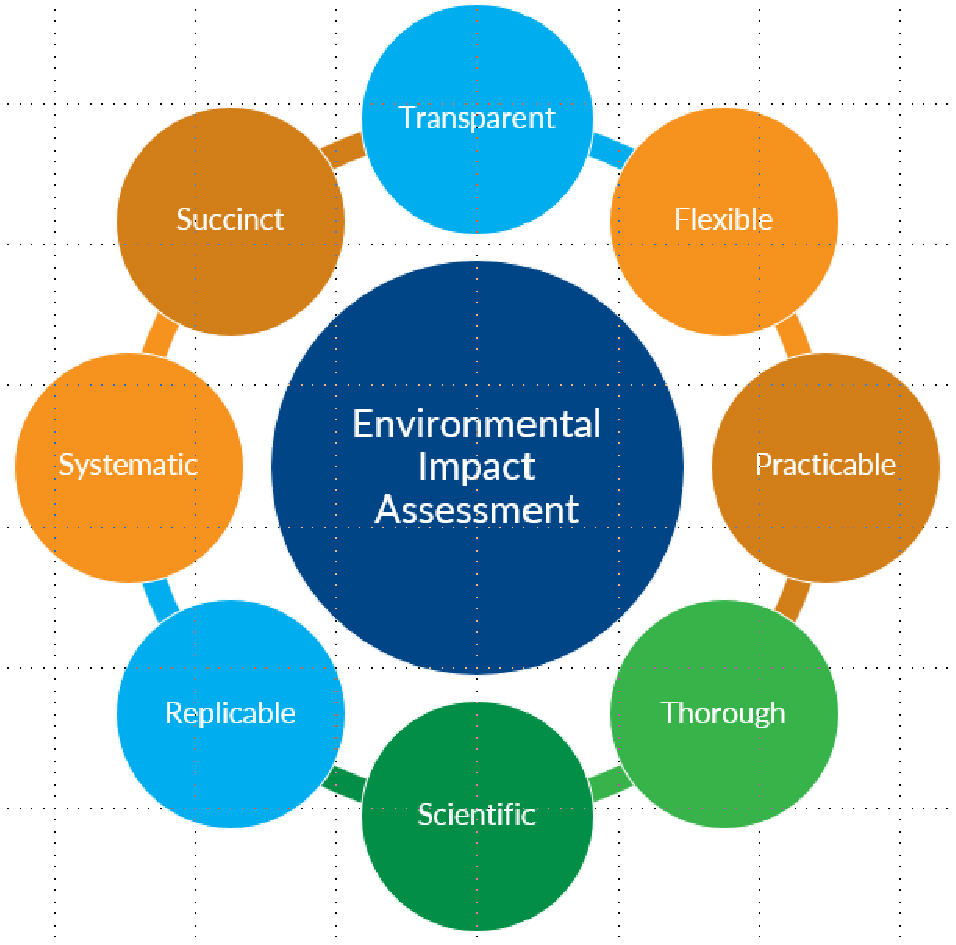
Environmental Impact Assessments (EIAs) provide a credible, science-based foundation for early planning and decision-making, distinguishing between perceived impacts and genuine risks that require mitigation and management. EIAs are essential tools for evaluating the potential effects of human activities, particularly as geoscience operations become more complex and expand into frontier regions. These assessments help identify and mitigate risks to wildlife, ecosystems, and human communities that rely on these resources for economic, social, and spiritual well-being, aligning closely with the United Nations Sustainable Development Goals (SDGs), especially SDG 13 (Climate Action), SDG 14 (Life Below Water), and SDG 15 (Life on Land).
Role of EIAs in Sustainable Geoscience Practices
EIAs enable operators to manage and mitigate environmental risks, meet permitting expectations, and build trust with regulators, stakeholders, and the public. Despite variations in EIA requirements across jurisdictions, their central aim remains the protection of the natural environment and dependent populations. For geoscience activities, risks may include:
- Emissions impacting air and water quality (SDG 3: Good Health and Well-being)
- Spatial use conflicts with other ocean users (SDG 14: Life Below Water)
- Underwater sound affecting marine life (SDG 14)
- Biological interactions influencing ecosystem balance (SDG 15: Life on Land)
Many jurisdictions require various forms of environmental assessments, such as Environmental and Social Impact Assessments (ESIA), Strategic Environmental Assessments (SEA), Environmental Impact Statements (EIS), or Environmental Plans (EP). However, differences in terminology often lead to inconsistent expectations for content and detail, complicating alignment among project proponents, regulators, and communities. This challenge is particularly pronounced when addressing complex factors like underwater sound.
EnerGeo Alliance’s Contribution to Sustainable Development through EIAs
Supporting Responsible Exploration Aligned with SDGs
EnerGeo Alliance (EnerGeo) plays a pivotal role in promoting responsible energy exploration, production, and operations through science-based regulatory advocacy and leadership. EnerGeo supports its members by providing:
- Topical events, seminars, and news updates
- Educational, scientific, and regulatory tools
- Resources to support mainstay, alternative, and low-carbon energy solutions (SDG 7: Affordable and Clean Energy)
EnerGeo’s vision is to be the most credible and effective voice for a safe, environmentally responsible, and competitive energy geoscience industry. To this end, it has developed a comprehensive EIA Guidance Suite to assist project proponents and regulators in preparing EIAs that meet essential environmental and social objectives.
Components of the EIA Guidance Suite
The EIA Suite includes a variety of member-exclusive resources designed to navigate complex and inconsistent global regulatory landscapes:
- Flagship EIA Handbook with step-by-step guidance tailored to geophysical survey risks
- Stakeholder Engagement Guidance to foster community dialogue
- Global Seismic Regulations Summary Spreadsheet
- Curated EIA Resources and Fact Sheets covering technical topics
- EIA Preparation Checklist to streamline document development
The EIA Handbook is regularly updated and available in English, Spanish, and Portuguese. It promotes best practices and scientific rigor while discouraging impractical or unsupported requirements. Template language clarifies the complexities of geophysical equipment, operations, and underwater sound, supporting SDG 9 (Industry, Innovation, and Infrastructure) and SDG 12 (Responsible Consumption and Production).
Enhancing Stakeholder Engagement
Effective stakeholder engagement is critical and often mandated to fulfill obligations with local communities, especially in frontier areas where geoscience operations may represent the first contact with the energy industry. EnerGeo’s Stakeholder Engagement Guidance aims to establish a mutually beneficial process for working with diverse stakeholder groups, supporting SDG 16 (Peace, Justice, and Strong Institutions) by promoting inclusive decision-making and transparency.
Supporting Regulators for Improved Environmental Governance
Although designed for EnerGeo members, the EIA Suite is also a valuable resource for regulators. EnerGeo’s government affairs and scientific experts collaborate with regulatory agencies to share these tools, providing a neutral, science-based benchmark for EIA preparation. This collaboration helps regulators efficiently evaluate environmental documents, ensuring compliance with environmental standards and facilitating streamlined processes for industry stakeholders. This effort supports SDG 17 (Partnerships for the Goals) by fostering cooperation between industry and government.
Commitment to Continuous Improvement and Sustainable Outcomes
EnerGeo’s extensive expertise has generated valuable lessons for an EIA process that benefits industry, regulators, and communities alike. Key recommendations include:
- Early and consistent engagement with regulators and stakeholders
- Clear and accessible presentation of technical information
- Integration of local and global expertise for robust evaluations
- Allowing sufficient time for scoping, data collection, and analysis
- Proactive proposal of effective, feasible mitigation measures aligned with real risks
As environmental performance expectations evolve, the EIA Suite will be updated to reflect new scientific insights and regulatory requirements. It embodies the industry’s shared commitment to minimizing impacts, enhancing transparency, and driving continuous improvement. EIAs are not mere checkbox exercises but meaningful frameworks to reduce risk, build trust, and support safe, successful operations. Through sustainable geoscience practices, EnerGeo members advance the mission of making energy possible while contributing to the achievement of multiple SDGs.
Contact Information
For more information, please contact: info@energeoalliance.org
1. Sustainable Development Goals (SDGs) Addressed or Connected
- SDG 7: Affordable and Clean Energy
- The article discusses responsible energy exploration, production, and operations, including low-carbon energy solutions.
- SDG 12: Responsible Consumption and Production
- Emphasis on environmental impact assessments (EIAs) to manage and mitigate environmental risks aligns with sustainable production practices.
- SDG 13: Climate Action
- Promotion of low-carbon energy solutions and mitigation of environmental impacts supports climate action goals.
- SDG 14: Life Below Water
- The article highlights managing underwater sound impacts and biological interactions, protecting marine ecosystems.
- SDG 15: Life on Land
- Protection of wildlife and ecosystems through EIAs relates to conserving terrestrial biodiversity.
- SDG 16: Peace, Justice and Strong Institutions
- Stakeholder engagement, transparent regulatory processes, and building trust with communities and regulators support effective institutions.
2. Specific Targets Under Those SDGs Identified
- SDG 7 – Target 7.2: Increase substantially the share of renewable energy in the global energy mix.
- Reference to supporting alternative and low-carbon energy solutions.
- SDG 12 – Target 12.4: Achieve environmentally sound management of chemicals and all wastes throughout their life cycle.
- EIAs help manage environmental risks and ensure responsible production practices.
- SDG 13 – Target 13.1: Strengthen resilience and adaptive capacity to climate-related hazards.
- Mitigation measures and risk management in EIAs contribute to resilience.
- SDG 14 – Target 14.2: Sustainably manage and protect marine and coastal ecosystems.
- Managing underwater sound and biological interactions to protect ocean life.
- SDG 15 – Target 15.1: Ensure the conservation, restoration and sustainable use of terrestrial and inland freshwater ecosystems.
- EIAs identify and mitigate risks to wildlife and ecosystems.
- SDG 16 – Target 16.6: Develop effective, accountable and transparent institutions.
- Stakeholder engagement and transparent regulatory review processes.
3. Indicators Mentioned or Implied to Measure Progress
- Indicator for SDG 7.2: Proportion of energy from renewable sources.
- Implied through promotion of alternative and low-carbon energy development.
- Indicator for SDG 12.4: Number of parties to international multilateral environmental agreements on hazardous waste and chemicals.
- Implied by adherence to environmental regulations and standards in EIAs.
- Indicator for SDG 13.1: Number of countries with national and local disaster risk reduction strategies.
- EIAs contribute to risk identification and mitigation strategies.
- Indicator for SDG 14.2: Proportion of national exclusive economic zones managed using ecosystem-based approaches.
- Implied by managing underwater sound and biological impacts through EIAs.
- Indicator for SDG 15.1: Forest area as a proportion of total land area; proportion of important sites for terrestrial and freshwater biodiversity.
- EIAs assess impacts on wildlife and ecosystems, supporting conservation.
- Indicator for SDG 16.6: Primary government expenditures as a proportion of original approved budget.
- Implied through transparent and efficient regulatory processes and stakeholder engagement.
4. Table of SDGs, Targets, and Indicators
| SDGs | Targets | Indicators |
|---|---|---|
| SDG 7: Affordable and Clean Energy | 7.2: Increase substantially the share of renewable energy in the global energy mix. | Proportion of energy from renewable sources (implied) |
| SDG 12: Responsible Consumption and Production | 12.4: Achieve environmentally sound management of chemicals and all wastes throughout their life cycle. | Number of parties to international environmental agreements on hazardous waste and chemicals (implied) |
| SDG 13: Climate Action | 13.1: Strengthen resilience and adaptive capacity to climate-related hazards. | Number of countries with disaster risk reduction strategies (implied) |
| SDG 14: Life Below Water | 14.2: Sustainably manage and protect marine and coastal ecosystems. | Proportion of national exclusive economic zones managed using ecosystem-based approaches (implied) |
| SDG 15: Life on Land | 15.1: Ensure conservation, restoration and sustainable use of terrestrial and freshwater ecosystems. | Forest area proportion; proportion of important biodiversity sites (implied) |
| SDG 16: Peace, Justice and Strong Institutions | 16.6: Develop effective, accountable and transparent institutions. | Primary government expenditures as proportion of approved budget (implied) |
Source: geoexpro.com
What is Your Reaction?
 Like
0
Like
0
 Dislike
0
Dislike
0
 Love
0
Love
0
 Funny
0
Funny
0
 Angry
0
Angry
0
 Sad
0
Sad
0
 Wow
0
Wow
0