

























Lewiston Solid Waste Schedule Adjusted for Thanksgiving Holiday – Dailyfly News
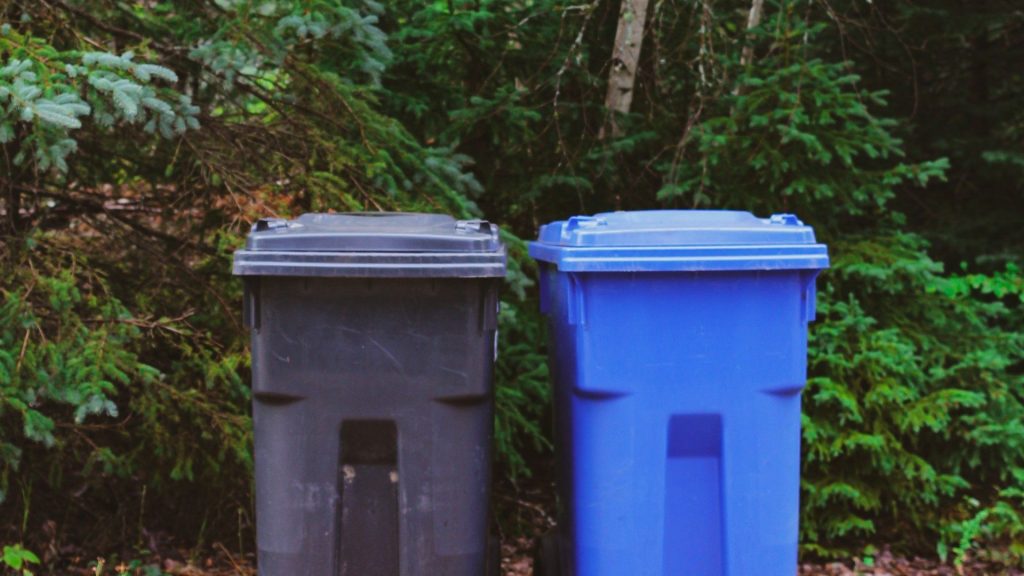
Report on Municipal Solid Waste Management and Alignment with Sustainable Development Goals in Lewiston, ID
Operational Adjustments and Commitment to Sustainable Communities (SDG 11)
The City of Lewiston Public Works Department has announced operational adjustments to its solid waste management services in observance of the Thanksgiving holiday. These measures ensure the continued reliability of essential municipal services, a key component of Sustainable Development Goal 11 (Sustainable Cities and Communities), specifically Target 11.6, which focuses on effective municipal waste management.
- Holiday Closure: All solid waste collection services will be suspended on Thursday, November 27, 2025.
- Revised Collection Schedule: Households with a regular Thursday collection will have their waste collected on Friday, November 28, 2025.
- Facility Closures: The Lewiston Transfer Station and Clearwater Composting facilities will be closed on Thanksgiving Day.
Yard Waste Program’s Contribution to Responsible Consumption and Climate Action (SDGs 12 & 13)
The city’s yard waste collection program is a strategic initiative that directly supports global sustainability objectives. By diverting organic materials from landfills for composting, the program aligns with Sustainable Development Goal 12 (Responsible Consumption and Production), particularly Target 12.5, which aims to substantially reduce waste generation. Furthermore, this practice mitigates the production of methane, a potent greenhouse gas, from landfills, thereby contributing to Sustainable Development Goal 13 (Climate Action).
The operational schedule for this program is as follows:
- Weekly Collection (November – December): Standard weekly collection of yard waste, including materials in green carts and plastic bags, will continue through the end of the year.
- Monthly Collection (January – February): Service will transition to a monthly schedule. Collection will occur on the first service day of each month during this period.
Analysis of SDGs in the Article
-
Which SDGs are addressed or connected to the issues highlighted in the article?
The article addresses issues related to the following Sustainable Development Goals (SDGs):
- SDG 11: Sustainable Cities and Communities: This goal is relevant because the article focuses on municipal services essential for a sustainable city, specifically solid waste management. The announcement from the City of Lewiston Public Works Department about garbage collection schedules and facility operations is a direct example of managing urban services.
- SDG 12: Responsible Consumption and Production: This goal is connected through the article’s mention of specific waste management practices like composting. The reference to “Clearwater Composting” and dedicated “Yard waste collection” points to efforts to manage waste streams responsibly, reduce the amount of waste sent to landfills, and promote circular economy principles by turning waste into a resource.
-
What specific targets under those SDGs can be identified based on the article’s content?
Based on the article, the following specific targets can be identified:
- Target 11.6: By 2030, reduce the adverse per capita environmental impact of cities, including by paying special attention to air quality and municipal and other waste management. The article is entirely focused on municipal waste management. The city’s organized system for “solid waste collection,” the operation of the “Lewiston Transfer Station,” and the provision of composting services are all actions aimed at managing the city’s waste and reducing its environmental impact.
- Target 12.5: By 2030, substantially reduce waste generation through prevention, reduction, recycling and reuse. The existence of “Clearwater Composting” and a separate “Yard waste collection” service are direct examples of recycling organic waste. These practices divert waste from landfills, thereby reducing the overall volume of waste generated and contributing to this target.
-
Are there any indicators mentioned or implied in the article that can be used to measure progress towards the identified targets?
The article implies indicators that can be used to measure progress:
- Indicator 11.6.1: Proportion of municipal solid waste collected and managed in controlled facilities out of total municipal solid waste generated, by cities. The article implies this indicator by describing the infrastructure for waste management. The services mentioned—”solid waste collection,” the “Lewiston Transfer Station,” and “Clearwater Composting”—are all “controlled facilities.” The city’s ability to provide and manage these services is a measure of its progress toward this indicator.
- Indicator 12.5.1: National recycling rate, tons of material recycled. While the article doesn’t provide specific numbers, the operation of “Clearwater Composting” and the dedicated “Yard waste collection” directly contribute to the local recycling rate. The volume of yard waste collected and compost produced are quantifiable measures that would be used for this indicator.
-
Create a table with three columns titled ‘SDGs, Targets and Indicators” to present the findings from analyzing the article.
SDGs Targets Indicators SDG 11: Sustainable Cities and Communities Target 11.6: Reduce the adverse per capita environmental impact of cities, including by paying special attention to … municipal and other waste management. Indicator 11.6.1: Proportion of municipal solid waste collected and managed in controlled facilities (e.g., Lewiston Transfer Station, Clearwater Composting). SDG 12: Responsible Consumption and Production Target 12.5: Substantially reduce waste generation through prevention, reduction, recycling and reuse. Indicator 12.5.1: Recycling rate, tons of material recycled (implied through the existence of “Clearwater Composting” and “Yard waste collection”).
Source: dailyfly.com
What is Your Reaction?
 Like
0
Like
0
 Dislike
0
Dislike
0
 Love
0
Love
0
 Funny
0
Funny
0
 Angry
0
Angry
0
 Sad
0
Sad
0
 Wow
0
Wow
0