
















MDARD Director highlights efforts to improve food access and supply chain reliability – Brownfield Ag News

MDARD Director Highlights Efforts to Improve Food Access and Supply Chain Reliability
Introduction
In 2025, the Michigan Department of Agriculture and Rural Development (MDARD) has prioritized investments in projects aimed at addressing gaps in the food supply chain. These efforts align closely with the United Nations Sustainable Development Goals (SDGs), particularly those focused on zero hunger (SDG 2), sustainable cities and communities (SDG 11), and responsible consumption and production (SDG 12).
Farm to Family Grant Program
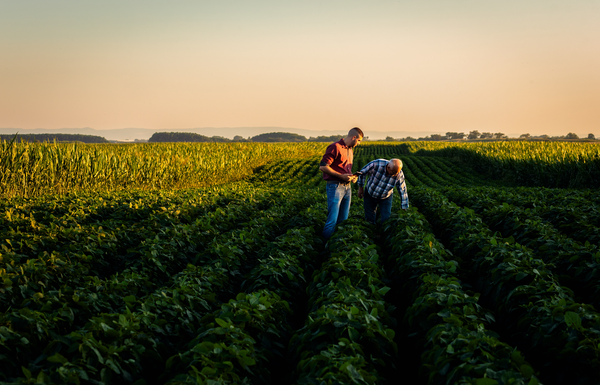
Tim Boring, Director of MDARD, emphasized the role of the new Farm to Family Grant Program in enhancing the reliability of Michigan’s food system. The program supports farms, food processors, and agribusinesses, which are critical stakeholders in the agricultural supply chain.
- Objective: To strengthen the agricultural sector’s capacity to meet state challenges related to food security and supply chain resilience.
- Funding: $730,000 awarded to Michigan food hubs and farm stops to date.
Last Food Mile Grant Program
MDARD is currently accepting applications for the Last Food Mile grant program, which provides grants of up to $100,000 each. This initiative targets specific impact metrics to ensure measurable improvements in food access and supply chain efficiency.
- Number of farmers participating in the supply chain.
- Quantity of produce moved within the state.
- Improvement in food availability and access in individual communities.
Community Impact and Stakeholder Engagement
The new grant programs were developed in response to ongoing stakeholder feedback. They aim to drive investments that benefit communities throughout Michigan, supporting sustainable development and equitable food distribution.
Alignment with Sustainable Development Goals
- SDG 2 (Zero Hunger): Enhancing food security by improving supply chain reliability and food access.
- SDG 11 (Sustainable Cities and Communities): Supporting local food hubs and farm stops to foster resilient community food systems.
- SDG 12 (Responsible Consumption and Production): Promoting efficient food distribution and reducing waste through targeted grants.
Conclusion
MDARD’s initiatives in 2025 demonstrate a commitment to sustainable agricultural development and community well-being. By investing in programs that improve food supply chains and access, Michigan advances its contribution to the global Sustainable Development Goals.

1. Sustainable Development Goals (SDGs) Addressed in the Article
- SDG 2: Zero Hunger
- The article focuses on improving food access and supply chain reliability, which directly relates to ending hunger and ensuring food security.
- SDG 12: Responsible Consumption and Production
- Investing in food supply chain projects and supporting agribusinesses promotes sustainable food production and consumption patterns.
- SDG 8: Decent Work and Economic Growth
- Supporting farms, food processors, and agribusinesses helps foster economic growth and employment in rural communities.
- SDG 11: Sustainable Cities and Communities
- Improving food availability and access in communities aligns with building sustainable cities and enhancing community resilience.
2. Specific Targets Under the Identified SDGs
- SDG 2: Zero Hunger
- Target 2.1: By 2030, end hunger and ensure access by all people to safe, nutritious, and sufficient food all year round.
- Target 2.3: By 2030, double the agricultural productivity and incomes of small-scale food producers.
- SDG 12: Responsible Consumption and Production
- Target 12.3: By 2030, halve per capita global food waste at the retail and consumer levels and reduce food losses along production and supply chains.
- SDG 8: Decent Work and Economic Growth
- Target 8.3: Promote development-oriented policies that support productive activities, decent job creation, and entrepreneurship.
- SDG 11: Sustainable Cities and Communities
- Target 11.1: Ensure access for all to adequate, safe, and affordable housing and basic services, including food access.
3. Indicators Mentioned or Implied to Measure Progress
- Number of farmers participating in the supply chain
- The article mentions measuring how many farmers are involved, which can indicate increased agricultural engagement and productivity.
- Pounds of produce moved around
- This metric reflects the volume of food distributed, relevant for assessing food availability and supply chain efficiency.
- Food availability and access in individual communities
- Measures the impact on community-level food security and access, aligning with SDG 2 and SDG 11 targets.
- Grant amounts awarded and number of projects funded
- Financial investment and project implementation can serve as indicators of commitment and progress in improving food systems.
4. Table of SDGs, Targets, and Indicators
| SDGs | Targets | Indicators |
|---|---|---|
| SDG 2: Zero Hunger |
|
|
| SDG 12: Responsible Consumption and Production |
|
|
| SDG 8: Decent Work and Economic Growth |
|
|
| SDG 11: Sustainable Cities and Communities |
|
|
Source: brownfieldagnews.com
What is Your Reaction?
 Like
0
Like
0
 Dislike
0
Dislike
0
 Love
0
Love
0
 Funny
0
Funny
0
 Angry
0
Angry
0
 Sad
0
Sad
0
 Wow
0
Wow
0