Mongolian Gazelle’s Genetic Diversity in Fragmented Habitats – Bioengineer.org
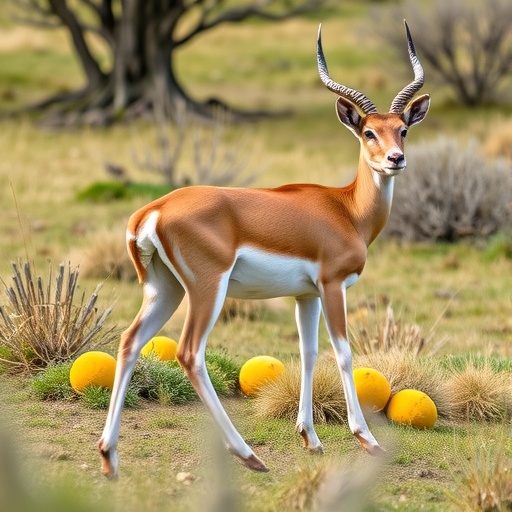
Report on the Genetic Diversity of the Mongolian Gazelle (Procapra gutturosa) and its Implications for Sustainable Development Goals
Introduction: Habitat Fragmentation and its Threat to Biodiversity
A recent study by Gao et al. in BMC Genomics provides a critical analysis of the genetic diversity and structure of the Mongolian gazelle (Procapra gutturosa). The research highlights the severe impacts of habitat fragmentation, a direct consequence of anthropogenic activities such as agriculture, infrastructure development, and urbanization. These findings are directly relevant to the United Nations Sustainable Development Goals (SDGs), particularly SDG 15 (Life on Land), which aims to halt biodiversity loss and protect terrestrial ecosystems. The genetic health of the Mongolian gazelle serves as a key indicator for the overall health of the steppe ecosystem and the success of conservation efforts in the region.
Research Methodology
The research team employed advanced genetic analysis techniques to assess the genetic landscape of various Mongolian gazelle populations. The primary methods included:
- Microsatellite Markers: Used to identify genetic variations and relationships among different populations.
- Next-Generation Sequencing: Provided a comprehensive and detailed overview of the gazelle’s genetic makeup across fragmented habitats.
This dual approach allowed for a robust evaluation of how habitat connectivity influences gene flow and genetic diversity, providing essential data for evidence-based conservation strategies aligned with global sustainability targets.
Key Findings on Genetic Structure
The study revealed a direct correlation between habitat integrity and the genetic vitality of the Mongolian gazelle. The principal findings demonstrate a clear threat to the species’ long-term survival and its ability to contribute to a resilient ecosystem.
- Reduced Genetic Diversity in Isolation: Gazelle populations in fragmented and isolated habitats exhibited significantly lower genetic diversity compared to those in well-connected landscapes. This genetic bottleneck compromises their adaptive potential.
- Disrupted Gene Flow: Habitat fragmentation acts as a barrier, preventing genetic exchange between populations. This isolation leads to distinct genetic signatures, indicating a lack of intermingling that is crucial for maintaining a healthy gene pool.
- Impaired Resilience: The loss of genetic diversity reduces the species’ capacity to adapt to environmental pressures, including those exacerbated by climate change (SDG 13: Climate Action) and emerging diseases.
Alignment with Sustainable Development Goal 15: Life on Land
This research provides a scientific foundation for targeted actions under SDG 15, which calls for the protection, restoration, and sustainable use of terrestrial ecosystems.
- Informing Target 15.5: The study’s findings underscore the urgency required to meet Target 15.5, which aims to “take urgent and significant action to reduce the degradation of natural habitats, halt the loss of biodiversity and… protect and prevent the extinction of threatened species.” By identifying genetically vulnerable populations, conservation efforts can be prioritized effectively.
- Supporting Target 15.9: The data generated supports the integration of ecosystem and biodiversity values into national and local planning (Target 15.9). Understanding the genetic consequences of infrastructure projects is essential for developing sustainable land-use policies.
- Ecosystem Health Indicator: The genetic integrity of the Mongolian gazelle functions as a vital bio-indicator for the health of the vast steppe ecosystem, reflecting the success of broader conservation initiatives.
Recommendations for Conservation and Policy in Line with the SDGs
Based on the genetic evidence, the study implicitly calls for a multi-faceted approach to conservation that aligns with the principles of sustainable development. The following actions are recommended to safeguard the Mongolian gazelle and its habitat:
- Establish Wildlife Corridors: To counteract the effects of fragmentation, creating and protecting wildlife corridors is essential to reconnect isolated populations and facilitate natural gene flow. This directly contributes to the restoration of ecosystem connectivity.
- Implement Genetically-Informed Conservation: Conservation strategies must be based on genetic data to identify and protect genetically distinct or vulnerable populations, ensuring the preservation of the entire species’ gene pool.
- Integrate Biodiversity into Development Planning: Policymakers and urban planners must consider the impact of infrastructure and agricultural expansion on wildlife habitats, promoting development that supports both human needs and the objectives of SDG 11 (Sustainable Cities and Communities) and SDG 15.
- Enhance Monitoring and Research: Continuous monitoring of the genetic structure of the Mongolian gazelle and other keystone species is necessary to track the effectiveness of conservation interventions and adapt to challenges posed by climate change (SDG 13).
Conclusion
The research by Gao et al. serves as a critical call to action. The genetic erosion of the Mongolian gazelle due to habitat fragmentation is a clear symptom of unsustainable human activity. Protecting this iconic species is not an isolated conservation goal; it is integral to maintaining the ecological balance of the steppe, enhancing ecosystem resilience against climate change, and achieving the global Sustainable Development Goals. Safeguarding genetic diversity is fundamental to ensuring a sustainable future for both wildlife and humanity.
Analysis of Sustainable Development Goals in the Article
1. Which SDGs are addressed or connected to the issues highlighted in the article?
-
SDG 15: Life on Land
This is the most directly relevant SDG. The article focuses on the conservation of a terrestrial species (the Mongolian gazelle), the threats of habitat fragmentation and degradation caused by human activities, and the loss of biodiversity, specifically genetic diversity. It calls for conservation strategies to protect the species and its ecosystem, which aligns with the goal of protecting, restoring, and promoting the sustainable use of terrestrial ecosystems and halting biodiversity loss.
-
SDG 13: Climate Action
The article establishes a clear link to climate action by stating that reduced genetic diversity compromises the gazelle’s “adaptability and resilience to changing environmental conditions,” including future challenges like “climate change.” This highlights how biodiversity loss, driven by habitat fragmentation, can exacerbate the negative impacts of climate change on species, connecting conservation efforts to climate resilience.
-
SDG 11: Sustainable Cities and Communities
The article identifies “infrastructure development, and urbanization” as primary causes of habitat fragmentation. This connects the issue to SDG 11, which aims to make human settlements inclusive, safe, resilient, and sustainable. The article implicitly calls for development planning that mitigates negative impacts on natural habitats and wildlife, aligning with the goal of protecting the world’s natural heritage.
2. What specific targets under those SDGs can be identified based on the article’s content?
-
Target 15.5: Take urgent and significant action to reduce the degradation of natural habitats, halt the loss of biodiversity and, by 2020, protect and prevent the extinction of threatened species.
The entire article is centered on this target. It details how habitat fragmentation (degradation of natural habitats) is causing a loss of genetic diversity (a key component of biodiversity) in the Mongolian gazelle, a species described as vulnerable. The proposed conservation strategies, such as creating wildlife corridors, are direct actions aimed at achieving this target.
-
Target 15.1: By 2020, ensure the conservation, restoration and sustainable use of terrestrial and inland freshwater ecosystems and their services…
The research emphasizes that the genetic health of the gazelle is an “indicator of the overall health of the steppe ecosystem.” By calling for measures to protect the gazelle through habitat connectivity, the article advocates for the conservation and restoration of the broader grassland ecosystem they inhabit.
-
Target 15.9: By 2020, integrate ecosystem and biodiversity values into national and local planning, development processes…
The article’s conclusion calls for “sustainable land-use policies that prioritize ecosystem health.” This is a direct appeal to integrate biodiversity considerations into the planning of agriculture, infrastructure, and urbanization—the very development processes identified as the cause of the problem.
3. Are there any indicators mentioned or implied in the article that can be used to measure progress towards the identified targets?
-
Genetic Diversity Levels
The article explicitly uses “genetic diversity” as the primary metric for assessing the health and vulnerability of Mongolian gazelle populations. The study itself employed “microsatellite markers and next-generation sequencing” to measure this. Therefore, the level of genetic variation within and between populations serves as a direct, measurable indicator of progress in halting biodiversity loss (Target 15.5).
-
Habitat Connectivity
The article identifies habitat fragmentation as the main threat. Consequently, an implied indicator for measuring progress would be the degree of “habitat connectivity.” This could be measured by mapping the extent of fragmented versus connected habitats or by monitoring the establishment and effectiveness of “wildlife corridors” designed to reconnect isolated populations.
-
Species Health as an Ecosystem Indicator
The article proposes that the “genetic health of the Mongolian gazelle can, therefore, serve as a crucial indicator of the overall health of the steppe ecosystem.” This suggests that monitoring the genetic status of this keystone or emblematic species can be used as a proxy indicator to assess the success of broader ecosystem conservation efforts (Target 15.1).
4. Summary Table of SDGs, Targets, and Indicators
| SDGs | Targets | Indicators |
|---|---|---|
| SDG 15: Life on Land | Target 15.5: Take urgent and significant action to reduce the degradation of natural habitats, halt the loss of biodiversity and… protect and prevent the extinction of threatened species. | Genetic Diversity Levels: Measured through genetic analysis (e.g., microsatellite markers, sequencing) to assess the genetic health of gazelle populations. |
| SDG 15: Life on Land | Target 15.1: Ensure the conservation, restoration and sustainable use of terrestrial… ecosystems and their services. | Habitat Connectivity: Measured by the extent of fragmented landscapes and the presence/effectiveness of wildlife corridors to restore ecosystem connectivity. |
| SDG 15: Life on Land | Target 15.9: Integrate ecosystem and biodiversity values into national and local planning, development processes… | Implementation of Sustainable Land-Use Policies: The adoption of policies that explicitly prioritize ecosystem health and habitat connectivity in infrastructure and agricultural planning. |
| SDG 13: Climate Action | Target 13.2: Integrate climate change measures into national policies, strategies and planning. | Species’ Adaptive Capacity: The genetic diversity of the gazelle population is presented as a measure of its resilience and ability to adapt to climate change. |
Source: bioengineer.org
What is Your Reaction?
 Like
0
Like
0
 Dislike
0
Dislike
0
 Love
0
Love
0
 Funny
0
Funny
0
 Angry
0
Angry
0
 Sad
0
Sad
0
 Wow
0
Wow
0