
























































Mosquitoes’ thirst for human blood has increased as biodiversity loss worsens – Frontiers
Impact of Mosquito Feeding Behavior on Sustainable Development Goals in the Brazilian Atlantic Forest
Introduction
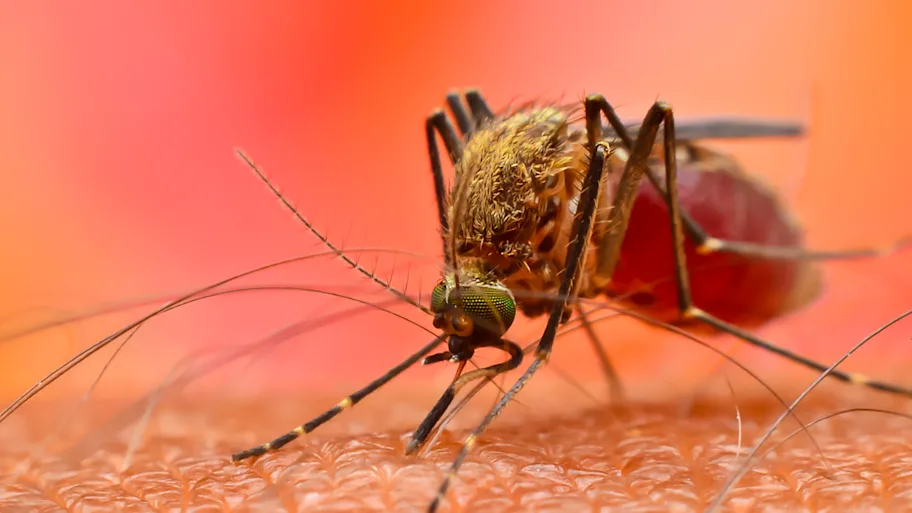
In the context of biodiversity loss, mosquitoes in the Brazilian Atlantic Forest are exhibiting a shift in their feeding behavior, showing a marked preference for human blood. This change poses significant risks for the transmission of viral diseases, impacting public health and ecosystem stability. Understanding these dynamics aligns with several Sustainable Development Goals (SDGs), particularly SDG 3 (Good Health and Well-being), SDG 15 (Life on Land), and SDG 13 (Climate Action).
Study Overview and Methodology
The Brazilian Atlantic Forest, a biodiversity hotspot along the coastline, has been reduced to about one-third of its original area due to human expansion. This habitat loss forces mosquitoes, traditionally feeding on diverse wildlife, to increasingly target humans.
Research Sites and Techniques
- Sampling was conducted at Sítio Recanto Preservar and Guapiacu River Ecological Reserve in Rio de Janeiro.
- Light traps captured 1,714 mosquitoes from 52 species; 145 engorged females were analyzed.
- DNA sequencing of blood meals identified host species using vertebrate-specific genetic barcodes.
Findings
- Out of 24 identified blood meals, 18 were human, indicating a strong preference for humans.
- Other hosts included amphibians, birds, canids, and rodents, with some mosquitoes feeding on multiple species.
- Host availability and proximity are key factors influencing mosquito feeding behavior.
Implications for Sustainable Development Goals
SDG 3: Good Health and Well-being
The increased human feeding preference by mosquitoes elevates the risk of transmitting diseases such as Yellow Fever, dengue, Zika, Mayaro, Sabiá, and Chikungunya. These diseases threaten human health and can cause long-term adverse effects. Effective monitoring and control of mosquito populations are critical to reducing disease burden and achieving SDG 3 targets.
SDG 15: Life on Land
Deforestation and habitat fragmentation in the Atlantic Forest reduce biodiversity and disrupt ecological balances. The loss of natural vertebrate hosts forces mosquitoes to adapt their feeding behavior, which can destabilize ecosystem interactions. Protecting and restoring forest habitats supports biodiversity conservation and ecosystem health, directly contributing to SDG 15.
SDG 13: Climate Action
Changes in land use and climate influence mosquito habitats and behavior. Understanding these ecological shifts aids in predicting disease outbreaks and informs climate adaptation strategies that protect vulnerable communities, aligning with SDG 13 objectives.
Recommendations for Prevention and Control
- Implement targeted surveillance in areas where mosquitoes show a strong preference for humans to anticipate and prevent disease outbreaks.
- Develop integrated vector management strategies that consider ecosystem balance and biodiversity conservation.
- Conduct further research using advanced methods to identify mixed blood meals and better understand mosquito feeding ecology.
- Promote reforestation and habitat preservation to maintain natural host diversity and reduce human-mosquito contact.
Conclusion
This study highlights the critical link between biodiversity loss, mosquito feeding behavior, and public health risks. Addressing these challenges requires multidisciplinary approaches that support the Sustainable Development Goals by promoting ecosystem conservation, enhancing disease prevention, and fostering resilient communities.
Read and download original article
1. Sustainable Development Goals (SDGs) Addressed or Connected
- SDG 3: Good Health and Well-being
- The article discusses mosquito-borne viral diseases such as Yellow Fever, dengue, Zika, Mayaro, Sabiá, and Chikungunya, which directly impact human health.
- It highlights the risk of pathogen transmission due to mosquitoes’ preference for feeding on humans.
- SDG 15: Life on Land
- The article focuses on the Brazilian Atlantic Forest, a biodiversity hotspot experiencing deforestation and habitat loss.
- It mentions the loss of biodiversity and the impact of human expansion on ecosystems.
- SDG 6: Clean Water and Sanitation
- Although not explicitly stated, the ecological balance and mosquito habitats are linked to water bodies and sanitation, which influence mosquito breeding.
2. Specific Targets Under Those SDGs
- SDG 3: Good Health and Well-being
- Target 3.3: By 2030, end the epidemics of AIDS, tuberculosis, malaria, and neglected tropical diseases and combat hepatitis, water-borne diseases, and other communicable diseases.
- Target 3.d: Strengthen the capacity of all countries for early warning, risk reduction, and management of national and global health risks.
- SDG 15: Life on Land
- Target 15.1: By 2020, ensure the conservation, restoration, and sustainable use of terrestrial and inland freshwater ecosystems and their services, in particular forests.
- Target 15.5: Take urgent and significant action to reduce the degradation of natural habitats, halt the loss of biodiversity, and protect and prevent the extinction of threatened species.
- SDG 6: Clean Water and Sanitation
- Target 6.3: Improve water quality by reducing pollution, eliminating dumping, and minimizing release of hazardous chemicals and materials.
3. Indicators Mentioned or Implied to Measure Progress
- Indicator for SDG 3.3:
- Incidence rate of mosquito-borne viral diseases (e.g., Yellow Fever, dengue, Zika, Chikungunya) in the affected populations.
- Prevalence of mosquito species feeding on humans as a proxy for transmission risk.
- Indicator for SDG 3.d:
- Number and effectiveness of surveillance and prevention actions targeting mosquito populations and disease outbreaks.
- Data on mosquito feeding behavior and blood meal analysis to inform early warning systems.
- Indicator for SDG 15.1 and 15.5:
- Extent of remaining Atlantic Forest area and rate of deforestation.
- Biodiversity indices measuring species richness and habitat quality in the forest remnants.
- Indicator for SDG 6.3 (implied):
- Water quality measurements in natural reserves affecting mosquito breeding habitats.
4. Table: SDGs, Targets and Indicators
| SDGs | Targets | Indicators |
|---|---|---|
| SDG 3: Good Health and Well-being |
|
|
| SDG 15: Life on Land |
|
|
| SDG 6: Clean Water and Sanitation |
|
|
Source: frontiersin.org
What is Your Reaction?
 Like
0
Like
0
 Dislike
0
Dislike
0
 Love
0
Love
0
 Funny
0
Funny
0
 Angry
0
Angry
0
 Sad
0
Sad
0
 Wow
0
Wow
0