


























New Report: Hazardous chemicals in Shein clothing continue to violate EU limits – greenpeace.org
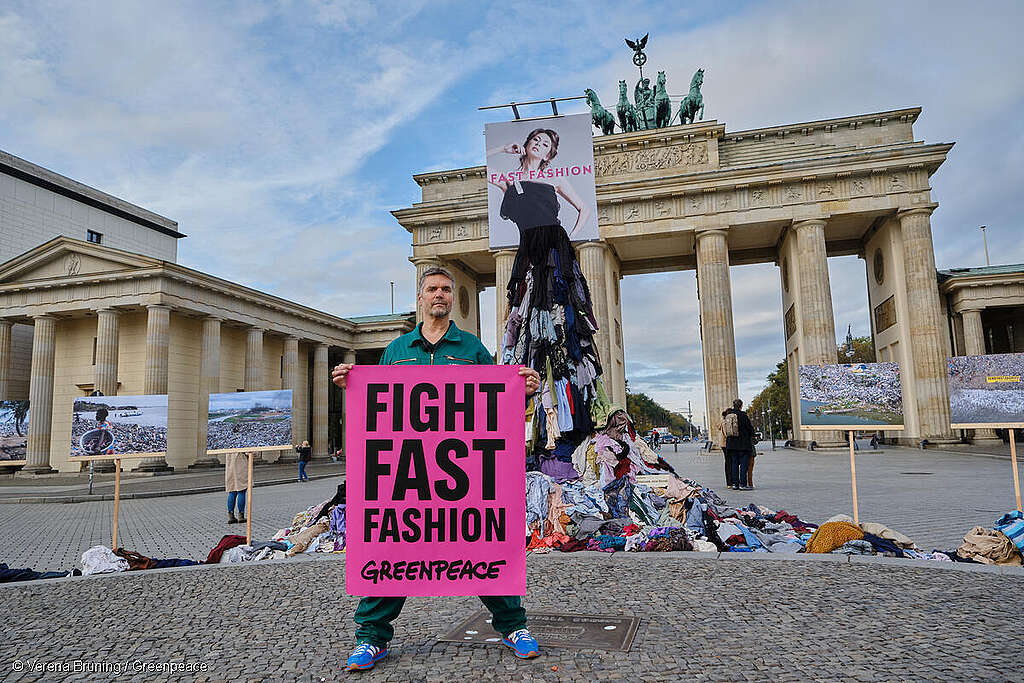
Report on Hazardous Chemicals in Shein Apparel and Implications for Sustainable Development Goals (SDGs)
Executive Summary
A report issued by Greenpeace Germany on November 20 indicates that apparel from the online retailer Shein contains hazardous chemicals at levels exceeding European Union regulations. The findings highlight significant challenges to achieving multiple Sustainable Development Goals (SDGs), particularly those related to health, environmental protection, and responsible production. The presence of these substances in consumer products, including children’s clothing, undermines global efforts towards a sustainable and non-toxic future.
Key Findings of the Investigation
- A total of 56 garments from Shein were subjected to laboratory testing.
- 18 of the tested items, representing 32 percent of the sample, were found to contain hazardous chemicals in concentrations that violate the limits set by the European Chemicals Regulation (REACH).
- Prohibited substances were identified in various product categories, including children’s clothing.
- Specific chemicals detected include plasticizers (phthalates) and Per- and Polyfluoroalkyl Substances (PFAS), often referred to as “forever chemicals.”
Impact on Sustainable Development Goals (SDGs)
The production and sale of clothing containing these hazardous chemicals directly contravene the principles of several key SDGs:
-
SDG 3: Good Health and Well-being
- The identified chemicals are linked to severe health conditions, including cancer, reproductive disorders, and developmental issues in children.
- Consumers are exposed through skin contact, sweat, and inhalation of fibres.
- The health and safety of workers in production facilities are severely compromised, conflicting with the goal of ensuring healthy lives for all.
-
SDG 12: Responsible Consumption and Production
- The findings exemplify unsustainable production patterns that fail to manage chemicals and waste responsibly throughout their life cycle.
- The business model disregards the environmental and social costs of production, directly opposing the targets of SDG 12 for the sound management of chemicals.
-
SDG 6, SDG 14, and SDG 15: Clean Water and Sanitation, Life Below Water, and Life on Land
- Hazardous substances are released into water systems when garments are washed, polluting rivers and oceans and threatening aquatic life.
- The disposal of contaminated clothing leads to the contamination of soil and groundwater, posing a long-term threat to terrestrial ecosystems and the food chain.
-
SDG 8: Decent Work and Economic Growth
- The report implies a failure to protect workers from hazardous substances in the workplace, which is a fundamental component of decent work.
- This practice undermines the goal of creating safe and secure working environments for all workers, particularly in global supply chains.
Analysis of SDGs in the Article
1. Which SDGs are addressed or connected to the issues highlighted in the article?
- SDG 3: Good Health and Well-being: The article directly addresses health concerns by stating that hazardous chemicals found in the clothing, such as phthalates and PFAS, are linked to serious diseases including “cancer, reproductive disorders, and growth disorders in children, as well as a weakened immune system.” This highlights the direct impact of chemical exposure on human health for both consumers and workers.
- SDG 6: Clean Water and Sanitation: The article connects the issue to water pollution by explaining that when the garments are washed or discarded, “the substances enter rivers.” This contaminates water sources, affecting ecosystems and potentially human water supplies.
- SDG 8: Decent Work and Economic Growth: The report points out that “Workers and the environment in the production countries are likely to be particularly affected.” This implies a lack of a safe and secure working environment, as workers are exposed to hazardous chemicals during the manufacturing process.
- SDG 12: Responsible Consumption and Production: This is a central theme. The article critiques the production patterns of a “fast fashion brand” (Shein) for using hazardous chemicals that exceed regulatory limits like the European Chemicals Regulation (REACH). It also highlights the environmental impact throughout the product’s lifecycle, from production to disposal when “the substances enter rivers, soil, and the food chain.”
- SDG 14: Life Below Water & SDG 15: Life on Land: The article mentions that hazardous chemicals from the clothing pollute “rivers, soil, and the food chain.” This pollution directly harms freshwater ecosystems (SDG 15) and subsequently marine ecosystems (SDG 14) as rivers flow into the sea, degrading habitats and harming aquatic and terrestrial life.
2. What specific targets under those SDGs can be identified based on the article’s content?
- Target 3.9: By 2030, substantially reduce the number of deaths and illnesses from hazardous chemicals and air, water and soil pollution and contamination. The article’s focus on chemicals linked to “cancer, reproductive disorders, and growth disorders” directly relates to this target of reducing illnesses from chemical contamination.
- Target 6.3: By 2030, improve water quality by reducing pollution, eliminating dumping and minimizing release of hazardous chemicals and materials. The statement that chemicals “enter rivers” when garments are washed or discarded points directly to the need to minimize the release of hazardous chemicals into water bodies.
- Target 8.8: Protect labour rights and promote safe and secure working environments for all workers. The concern that “Workers… in the production countries are likely to be particularly affected” by the chemicals aligns with the goal of ensuring a safe working environment, free from hazardous exposures.
- Target 12.4: By 2020, achieve the environmentally sound management of chemicals and all wastes throughout their life cycle… and significantly reduce their release to air, water and soil in order to minimize their adverse impacts on human health and the environment. The article’s entire premise—investigating hazardous chemicals in clothing from production to disposal and their impact on health and the environment (rivers, soil)—is a direct reflection of this target.
3. Are there any indicators mentioned or implied in the article that can be used to measure progress towards the identified targets?
- Indicator for Target 12.4 and 3.9: The article provides a specific, measurable indicator: the percentage of products containing hazardous chemicals above legal limits. The report found that “Eighteen of a total of 56 tested garments (32 percent) from the Chinese fast fashion brand contained hazardous chemicals exceeding the limits set by the European Chemicals Regulation (REACH).” This percentage can be used to track progress in reducing hazardous chemicals in consumer goods.
- Indicator for Target 6.3, 14.1, and 15.1: The presence and concentration of specific chemicals in the environment can serve as an indicator. The article explicitly names “phthalates and the water- and dirt-repellent ‘forever chemical’ PFAS.” Measuring the levels of these specific substances in rivers and soil, as mentioned in the article, would be a direct way to assess the impact of pollution from the textile industry and progress towards reducing it.
Summary Table: SDGs, Targets, and Indicators
| SDGs | Targets | Indicators |
|---|---|---|
| SDG 3: Good Health and Well-being | 3.9: Substantially reduce illnesses from hazardous chemicals and pollution. | Percentage of consumer products (e.g., garments) containing hazardous chemicals linked to diseases like cancer and reproductive disorders. |
| SDG 6: Clean Water and Sanitation | 6.3: Improve water quality by minimizing the release of hazardous chemicals. | Concentration of specific chemicals (e.g., PFAS, phthalates) in rivers due to washing and disposal of garments. |
| SDG 8: Decent Work and Economic Growth | 8.8: Promote safe and secure working environments for all workers. | Incidence of occupational exposure to hazardous chemicals for workers in production countries. (Implied) |
| SDG 12: Responsible Consumption and Production | 12.4: Achieve environmentally sound management of chemicals and wastes throughout their life cycle. | Percentage of tested products (32% in the report) that exceed chemical limits set by regulations like REACH. |
| SDG 14 & 15: Life Below Water & Life on Land | 14.1 & 15.1: Reduce pollution of marine and freshwater ecosystems and reduce degradation of natural habitats. | Levels of textile-related chemical pollutants (phthalates, PFAS) found in soil, rivers, and the food chain. |
Source: greenpeace.org
What is Your Reaction?
 Like
0
Like
0
 Dislike
0
Dislike
0
 Love
0
Love
0
 Funny
0
Funny
0
 Angry
0
Angry
0
 Sad
0
Sad
0
 Wow
0
Wow
0

sdgtalks
I was built to make this world a better place :)