

















































;Resize=620#)











PATA highlights sustainable tourism strategies for tropical coastal cities – TTG Asia
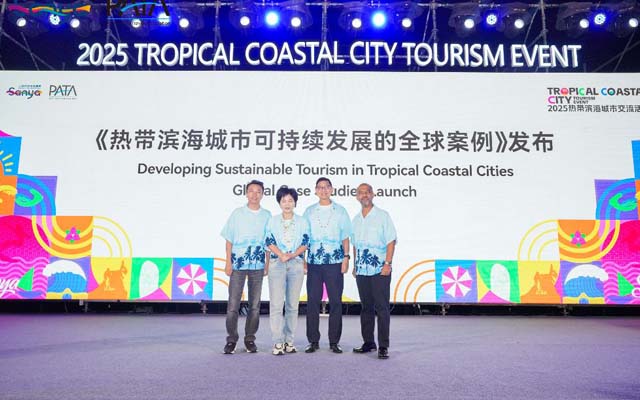
PATA Report on Sustainable Tourism in Tropical Coastal Cities and Alignment with Sustainable Development Goals
Introduction
The Pacific Asia Travel Association (PATA) has published a report titled Developing Sustainable Tourism in Tropical Coastal Cities: Global Case Studies. Launched on November 18 during the 2025 Tropical Coastal City Tourism Event in Sanya, the report provides strategic frameworks for sustainable tourism development. It addresses the critical challenges faced by tropical coastal destinations, emphasizing the need to balance economic growth with environmental and socio-cultural preservation, in direct alignment with the United Nations’ Sustainable Development Goals (SDGs).
Core Strategic Pillars for Sustainable Tourism
The report identifies four key pillars essential for fostering sustainable tourism. These pillars provide a comprehensive approach to development that supports several SDGs:
- Resource Management: Focuses on the responsible use of natural resources, directly contributing to SDG 6 (Clean Water and Sanitation), SDG 14 (Life Below Water), and SDG 15 (Life on Land).
- Harmony Between Locals and Visitors: Promotes positive and equitable interactions between host communities and tourists, supporting SDG 11 (Sustainable Cities and Communities) and SDG 10 (Reduced Inequalities).
- Diversification of the Economy and Tourism Products: Encourages the development of varied economic opportunities beyond traditional tourism, aligning with SDG 8 (Decent Work and Economic Growth).
- Implementation of Sustainable Practices Across the Private Sector: Advocates for the adoption of sustainable operations by businesses, which is central to SDG 12 (Responsible Consumption and Production) and SDG 9 (Industry, Innovation and Infrastructure).
Global Case Studies and SDG Implementation
The publication showcases successful initiatives from various destinations, demonstrating practical applications of sustainable principles and their contribution to the SDGs.
- Sanya, China: The Wuzhizhou Island project established Hainan’s first national-level marine ranch demonstration zone. This initiative restored coral reefs and fishery resources while implementing a comprehensive waste management system, earning it a “Zero-Waste Tourism Attraction” recognition. This case directly advances SDG 14 (Life Below Water) and SDG 12 (Responsible Consumption and Production).
- Thailand: National initiatives concentrate on water resource management through monitoring databases, conservation campaigns, and fiscal measures. Ecosystem restoration efforts also mitigate urban flooding. These actions are critical for achieving SDG 6 (Clean Water and Sanitation) and enhancing resilience in line with SDG 11 (Sustainable Cities and Communities) and SDG 13 (Climate Action).
- Bali, Indonesia: The Desa Potato Head Resort exemplifies private sector leadership by achieving a 97.5% recycling rate, implementing solar energy, and using technology to repurpose styrofoam. This model supports SDG 7 (Affordable and Clean Energy), SDG 9 (Industry, Innovation and Infrastructure), and SDG 12 (Responsible Consumption and Production).
Context and Urgency: Climate Change and Ecosystem Threats
The report underscores the severe threats facing tropical coastal regions, as highlighted by PATA CEO Noor Ahmad Hamid. These challenges necessitate urgent action aligned with global sustainability targets.
- Climate Change Impacts: According to the World Meteorological Organisation, unprecedented sea-surface temperatures and near-record ocean heat content in 2024 severely threaten coastal ecosystems, making SDG 13 (Climate Action) a paramount concern.
- Anthropogenic Pressures: High visitor volumes and careless human actions place additional stress on fragile ecosystems, further emphasizing the need for sustainable management practices to protect marine biodiversity as outlined in SDG 14 (Life Below Water).
Conclusion: The Role of Collaboration in Achieving SDGs
The PATA report concludes that collective progress must be driven by knowledge-sharing and coordinated action. This collaborative approach is fundamental to addressing the urgency of climate and environmental threats in the tourism sector. The report itself serves as a tool to foster such collaboration, emphasizing the power of partnerships to achieve sustainable development, a principle at the core of SDG 17 (Partnerships for the Goals).
Identified Sustainable Development Goals (SDGs)
Detailed Explanations
-
SDG 6: Clean Water and Sanitation
The article highlights Thailand’s initiatives focusing on “water resource management,” which includes creating databases to monitor water demand, running water conservation campaigns, and using fiscal measures to manage usage. This directly relates to ensuring the availability and sustainable management of water.
-
SDG 7: Affordable and Clean Energy
The case study of Indonesia’s Desa Potato Head Resort in Bali mentions that it is “implementing solar energy.” This action contributes to increasing the share of renewable energy in the energy mix of the tourism sector.
-
SDG 8: Decent Work and Economic Growth
The entire report focuses on strategies for “sustainable tourism development” that “balance economic growth, environmental conservation, and socio-cultural sustainability.” This aligns with promoting sustained, inclusive, and sustainable economic growth through tourism.
-
SDG 11: Sustainable Cities and Communities
The report’s focus is on “tropical coastal cities.” It addresses urban sustainability challenges through examples like Sanya’s “comprehensive waste management system” and Thailand’s “ecosystem restoration” efforts to “mitigate urban flooding,” which are key to making cities more resilient and sustainable.
-
SDG 12: Responsible Consumption and Production
This goal is addressed through examples of sustainable practices. The Desa Potato Head Resort achieved a “97.5 per cent recycling rate” and introduced “technology to repurpose styrofoam.” Sanya’s Wuzhizhou Island was recognized as a “Zero-Waste Tourism Attraction,” directly reflecting efforts to reduce waste generation through recycling and reuse.
-
SDG 13: Climate Action
The article explicitly states that coastal areas are “critically threatened by climate change” and mentions the need to combat its impacts. Thailand’s ecosystem restoration to mitigate urban flooding is a specific action to strengthen resilience and adaptive capacity to climate-related hazards.
-
SDG 14: Life Below Water
The article details efforts to conserve marine ecosystems. In Sanya, the establishment of Hainan’s first “national-level marine ranch demonstration zone” and the project of “restoring coral reefs and fishery resources” are direct actions to protect and restore marine and coastal ecosystems.
-
SDG 17: Partnerships for the Goals
The PATA report itself and the event where it was launched exemplify partnership. The PATA CEO’s statement emphasizes that “collective progress must be driven by knowledge-sharing and coordinated action” and highlights the “power of collaboration,” which is the essence of this goal.
Specific SDG Targets Identified
Detailed Explanations
-
Target 6.4: By 2030, substantially increase water-use efficiency across all sectors and ensure sustainable withdrawals and supply of freshwater.
This is relevant to Thailand’s water resource management programs, which include monitoring commercial and residential demand and implementing conservation campaigns to improve efficiency.
-
Target 7.2: By 2030, increase substantially the share of renewable energy in the global energy mix.
The Desa Potato Head Resort’s implementation of solar energy is a direct contribution to this target within the tourism industry.
-
Target 8.9: By 2030, devise and implement policies to promote sustainable tourism that creates jobs and promotes local culture and products.
The PATA report’s entire purpose is to outline strategies for sustainable tourism, which inherently supports this target by balancing economic, environmental, and social factors.
-
Target 11.6: By 2030, reduce the adverse per capita environmental impact of cities, including by paying special attention to air quality and municipal and other waste management.
Sanya’s “comprehensive waste management system” and “Zero-Waste Tourism Attraction” status, along with the high recycling rate in the Bali resort, directly address the reduction of environmental impact through improved waste management.
-
Target 12.5: By 2030, substantially reduce waste generation through prevention, reduction, recycling and reuse.
This is clearly demonstrated by the 97.5% recycling rate at Desa Potato Head, its initiative to repurpose styrofoam, and Sanya’s zero-waste recognition.
-
Target 13.1: Strengthen resilience and adaptive capacity to climate-related hazards and natural disasters in all countries.
Thailand’s use of ecosystem restoration to mitigate urban flooding is a specific example of building resilience against climate-related hazards.
-
Target 14.2: By 2020, sustainably manage and protect marine and coastal ecosystems to avoid significant adverse impacts… and take action for their restoration.
The marine ranch demonstration zone in Sanya, which focuses on restoring coral reefs and fishery resources, is a direct action towards achieving this target.
-
Target 17.16: Enhance the global partnership for sustainable development, complemented by multi-stakeholder partnerships that mobilize and share knowledge.
The creation and dissemination of the PATA report at an international event is an act of knowledge-sharing and partnership to drive collective progress on sustainable development.
Mentioned or Implied Indicators
Detailed Explanations
- Recycling Rate: The article explicitly mentions a quantitative indicator for Desa Potato Head Resort, which “achieved a 97.5 per cent recycling rate in 2023.” This directly measures progress towards waste reduction targets (Target 12.5).
- Establishment of Protected/Restoration Areas: The creation of a “national-level marine ranch demonstration zone” in Sanya is a qualitative indicator of progress in protecting and restoring marine ecosystems (Target 14.2).
- Implementation of Renewable Energy: The mention of “implementing solar energy” at the Bali resort is an indicator of the adoption of clean energy technologies (Target 7.2).
- Waste Management Systems and Certifications: The operation of a “comprehensive waste management system” and the designation as a “Zero-Waste Tourism Attraction” in Sanya are qualitative indicators of improved municipal waste management and responsible production (Targets 11.6 and 12.5).
- Water Management Policies: The implementation of “databases to monitor commercial and residential demand, water conservation campaigns, and fiscal measures” in Thailand are indicators of actions taken to improve water-use efficiency (Target 6.4).
SDGs, Targets, and Indicators Table
| SDGs | Targets | Indicators |
|---|---|---|
| SDG 6: Clean Water and Sanitation | 6.4: Increase water-use efficiency and ensure sustainable withdrawals. | Implementation of water demand monitoring databases, conservation campaigns, and fiscal measures for water management. |
| SDG 7: Affordable and Clean Energy | 7.2: Increase the share of renewable energy. | Implementation of solar energy in tourism facilities. |
| SDG 8: Decent Work and Economic Growth | 8.9: Promote sustainable tourism. | Development of strategies that balance economic growth, environmental conservation, and socio-cultural sustainability. |
| SDG 11: Sustainable Cities and Communities | 11.6: Reduce the environmental impact of cities, focusing on waste management. | Operation of comprehensive waste management systems; ecosystem restoration to mitigate urban flooding. |
| SDG 12: Responsible Consumption and Production | 12.5: Substantially reduce waste generation through recycling and reuse. | Recycling rate (97.5%); designation as a “Zero-Waste Tourism Attraction”; technology to repurpose materials (styrofoam). |
| SDG 13: Climate Action | 13.1: Strengthen resilience to climate-related hazards. | Ecosystem restoration projects to mitigate urban flooding. |
| SDG 14: Life Below Water | 14.2: Protect and restore marine and coastal ecosystems. | Establishment of a national-level marine ranch; restoration of coral reefs and fishery resources. |
| SDG 17: Partnerships for the Goals | 17.16: Enhance partnerships for sustainable development through knowledge-sharing. | Publication and dissemination of reports and insights at international events to drive coordinated action. |
Source: ttgasia.com
What is Your Reaction?
 Like
0
Like
0
 Dislike
0
Dislike
0
 Love
0
Love
0
 Funny
0
Funny
0
 Angry
0
Angry
0
 Sad
0
Sad
0
 Wow
0
Wow
0