Patagonia Park kicks off the season: camping, ecotourism, and tips to discover one of the country’s wildest landscapes – Noticias Ambientales

Report on Sustainable Tourism and Conservation Initiatives in Patagonia Park
Patagonia Park, located in the northwest of Santa Cruz, is implementing a sustainable tourism model that aligns with several United Nations Sustainable Development Goals (SDGs). The park’s management strategy focuses on balancing visitor access with robust environmental protection, particularly concerning its camping facilities and ecotourism activities. This report details the park’s operational framework, emphasizing its contributions to SDG 8 (Decent Work and Economic Growth), SDG 11 (Sustainable Cities and Communities), SDG 12 (Responsible Consumption and Production), and SDG 15 (Life on Land).
Visitor Infrastructure and Management in Support of Sustainable Goals
The park provides four authorized campsites designed to manage human impact and promote responsible resource use, directly supporting SDG 11 and SDG 12.
H3: Serviced Campsite Facilities
- El Mollar: Situated near Route 40, this site is designed for vehicle-based tourism, including motorhomes and campers. Its infrastructure, which includes level ground, bathrooms, and hot showers, provides controlled and safe access to the natural environment, minimizing unregulated impact.
- La Señalada: This campsite caters to tent-based visitors and longer stays. By centralizing services like hot showers, Wi-Fi, and basic meal provisions, it reduces the environmental footprint of individual campers and supports a managed visitor experience. Its proximity to educational trails leading to the Planetarium and Interpretation Center promotes environmental awareness.
H3: Rustic Camping Facilities
- Cañadón Caracoles: This site offers a low-impact experience with basic amenities such as dry toilets. The requirement for visitors to bring their own water reinforces principles of responsible consumption (SDG 12).
- Río Camping: Located at the bottom of the Pinturas River canyon, this site offers a full immersion experience. Access requires physical preparedness, and strict regulations are enforced to preserve the pristine environment. These rules include a prohibition on open fires, mandating the use of stoves, and requiring visitors to carry in their own potable water, directly aligning with the conservation targets of SDG 15.
Ecotourism as a Driver for SDG 15 (Life on Land)
The park’s ecotourism model is foundational to its conservation strategy, promoting the sustainable use of terrestrial ecosystems and halting biodiversity loss.
H3: Ecosystem and Wildlife Preservation
- The management framework ensures the protection of the Patagonian steppe, its deep canyons, and vital water resources from degradation caused by tourism.
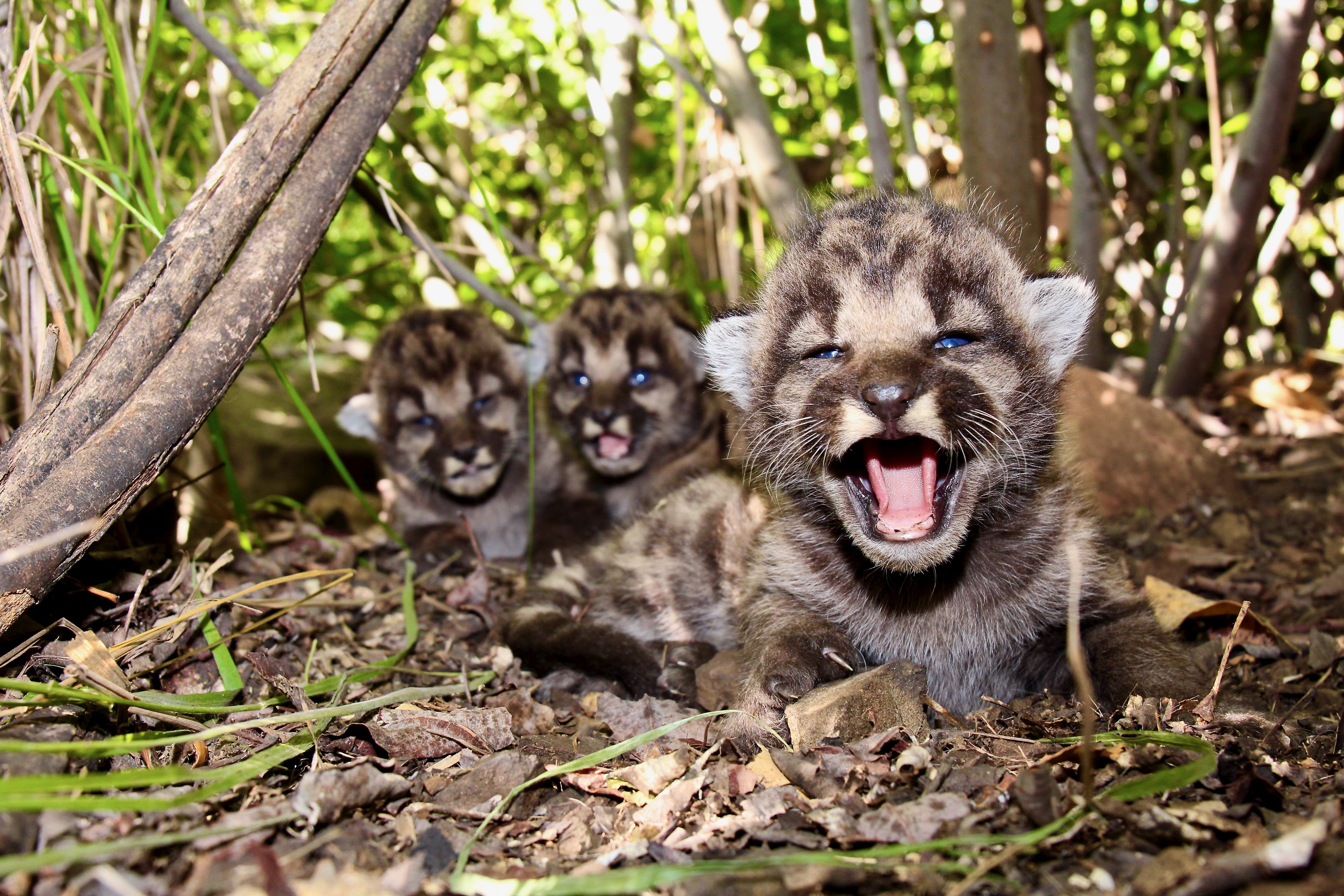
- Conservation programs actively protect emblematic and vulnerable wildlife, including guanacos, choiques (lesser rheas), and Patagonian foxes, contributing to the preservation of regional biodiversity.
H3: Promotion of Low-Impact Activities
- Activities such as hiking and wildlife observation are encouraged, fostering a connection to nature while minimizing disturbance.
- These practices strengthen environmental awareness among visitors, highlighting the fragility of the Patagonian ecosystem and the importance of conservation, which is a key component of sustainable development.
Socio-Economic Contributions and Community Engagement (SDG 8)
The park’s operations generate positive socio-economic outcomes by integrating conservation with local development.
H3: Supporting the Local Economy
- By attracting responsible tourism, the park stimulates the local economy and supports community-based projects centered on conservation and sustainable livelihoods.
- This approach ensures that the economic benefits of tourism are shared locally, contributing to inclusive and sustainable economic growth as outlined in SDG 8.
H3: Fostering Environmental Education
- The park functions as a living laboratory, offering educational experiences for families, students, and researchers.
- The infrastructure, including the Interpretation Center and trail network, is designed to educate visitors on geology, flora, and fauna, thereby building a constituency for long-term conservation.
Logistical Framework for Sustainable Visitation
To ensure a safe and low-impact visit, the park provides clear logistical guidelines that encourage responsible planning.
- Access Route: The primary access is via National Route 40. Drivers are advised to exercise caution on gravel sections.
- Vehicle Suitability: While the route is accessible to standard vehicles, the serviced campsites are recommended for larger vehicles like motorhomes.
- Resource Planning: Visitors are instructed to be self-sufficient by bringing adequate fuel, food, and water, as services within the park are limited. This reduces pressure on local resources and aligns with SDG 12.
- Condition Monitoring: It is essential to check official park channels for updated information on weather and road conditions before traveling.
- Reservations: Campsite reservations can be made via designated channels or are available on a first-come, first-served basis, allowing for effective management of visitor density.
Analysis of Sustainable Development Goals in the Article
-
Which SDGs are addressed or connected to the issues highlighted in the article?
The article on Patagonia Park addresses several Sustainable Development Goals (SDGs) through its focus on ecotourism, conservation, and community engagement. The primary SDGs identified are:
- SDG 8: Decent Work and Economic Growth: The article highlights how ecotourism “promotes the local economy, boosting community projects that value conservation,” directly linking tourism to local economic benefits.
- SDG 11: Sustainable Cities and Communities: The protection of the park, which includes natural landscapes like “deep canyons” and cultural sites such as the “Cueva de las Manos,” relates to safeguarding the world’s natural and cultural heritage.
- SDG 12: Responsible Consumption and Production: The text emphasizes sustainable tourism practices, such as promoting “a responsible relationship with the environment, reducing human impact” and designing infrastructure to “minimize waste.”
- SDG 15: Life on Land: This is a central theme, with the article detailing efforts to conserve the “Patagonian steppe” ecosystem, protect “emblematic species such as guanacos, choiques, and Patagonian foxes,” and maintain a “unique balance between nature, history, and silence.”
-
What specific targets under those SDGs can be identified based on the article’s content?
Based on the article’s content, the following specific targets can be identified:
- Target 8.9: “By 2030, devise and implement policies to promote sustainable tourism that creates jobs and promotes local culture and products.” The article’s entire premise is built on promoting ecotourism in Patagonia Park, which is described as a practice that “promotes the local economy, boosting community projects.”
- Target 11.4: “Strengthen efforts to protect and safeguard the world’s cultural and natural heritage.” The management of Patagonia Park, including its trails leading to the “Cueva de las Manos” and the preservation of its “unique landscape,” directly contributes to this target.
- Target 12.b: “Develop and implement tools to monitor sustainable development impacts for sustainable tourism…” The park’s organization implements this through “regulated campsites,” rules against lighting fires, and the promotion of “low-impact activities, such as hiking and wildlife observation.”
- Target 15.1: “By 2020, ensure the conservation, restoration and sustainable use of terrestrial and inland freshwater ecosystems and their services…” The article describes the park as a “natural refuge” where the organization works to preserve “the canyons, the wildlife, and the water resources.”
- Target 15.5: “Take urgent and significant action to reduce the degradation of natural habitats, halt the loss of biodiversity and, by 2020, protect and prevent the extinction of threatened species.” This is directly addressed when the article states that the park’s organization “protects emblematic species such as guanacos, choiques, and Patagonian foxes.”
-
Are there any indicators mentioned or implied in the article that can be used to measure progress towards the identified targets?
The article implies several indicators that can be used to measure progress:
- For Target 8.9: The number and type of tourism facilities, such as the “four authorized campsites (two with full services and two rustic),” serve as an indicator of sustainable tourism infrastructure. The growth of “community projects” supported by tourism revenue would be another key metric.
- For Target 11.4: The existence of managed access points and infrastructure, like the “Interpretation Center” and the network of trails, indicates efforts to protect natural and cultural heritage while allowing public enjoyment.
- For Target 12.b: The implementation of specific park rules, such as “Lighting fires is not allowed,” and the provision of infrastructure designed to “minimize waste” (e.g., dry toilets), are direct indicators of sustainable practices. The promotion of “low-impact activities” is also a measurable strategy.
- For Target 15.1 & 15.5: The health and stability of wildlife populations mentioned in the article (“guanacos, choiques, and Patagonian foxes”) are crucial indicators of conservation success. The area of the park under formal protection and the integrity of the “Patagonian ecosystems” are also key metrics.
SDGs, Targets, and Indicators in Patagonia Park
| SDGs | Targets | Indicators |
|---|---|---|
| SDG 8: Decent Work and Economic Growth | 8.9: Promote sustainable tourism that creates jobs and promotes local culture and products. |
|
| SDG 11: Sustainable Cities and Communities | 11.4: Strengthen efforts to protect and safeguard the world’s cultural and natural heritage. |
|
| SDG 12: Responsible Consumption and Production | 12.b: Develop and implement tools to monitor sustainable development impacts for sustainable tourism. |
|
| SDG 15: Life on Land | 15.1 & 15.5: Ensure conservation of terrestrial ecosystems and protect threatened species. |
|
Source: noticiasambientales.com
What is Your Reaction?
 Like
0
Like
0
 Dislike
0
Dislike
0
 Love
0
Love
0
 Funny
0
Funny
0
 Angry
0
Angry
0
 Sad
0
Sad
0
 Wow
0
Wow
0