












































Proposed Endangered Species Act changes concern Florida conservationists – Bay News 9
Report on Proposed Endangered Species Act Revisions and Implications for Sustainable Development Goals
1.0 Executive Summary
A proposal by the Trump administration to revise the Endangered Species Act (ESA) has raised significant concerns regarding its potential impact on conservation efforts and the advancement of the United Nations Sustainable Development Goals (SDGs). The proposed changes, which include narrowing the scope of the Act and introducing economic considerations into listing decisions, threaten to undermine protections for vulnerable species in Florida and across the nation. This report analyzes the proposal’s conflict with key SDGs, particularly SDG 14 (Life Below Water) and SDG 15 (Life on Land), and highlights the interconnectedness of biodiversity with broader sustainability objectives.
2.0 Threats to SDG 14: Life Below Water
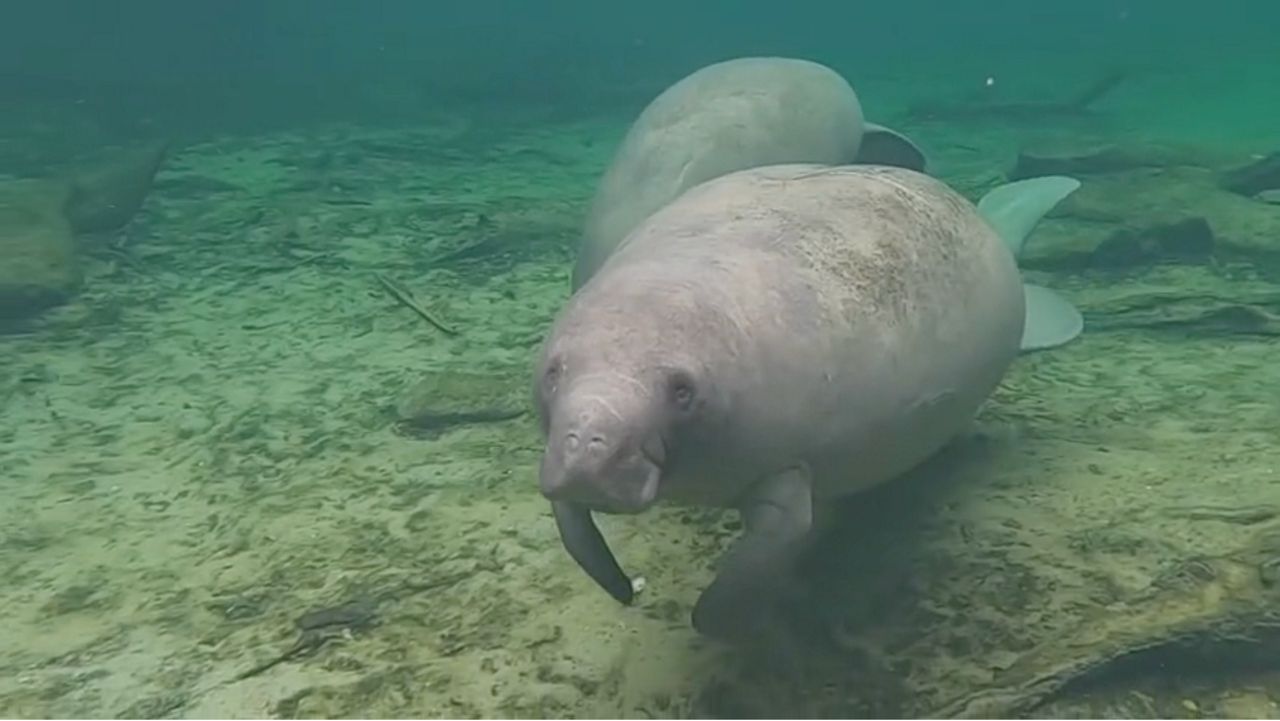
The proposed ESA revisions pose a direct threat to marine and coastal ecosystems, a core focus of SDG 14. The Florida manatee serves as a critical case study for the potential consequences.
- Vulnerability of Marine Species: The manatee population is currently recovering from significant mortality events in 2021 and 2022, where approximately 2,000 deaths were recorded. These events were largely attributed to the loss of seagrass, a primary food source, which highlights the fragility of their marine habitat.
- Conservation Efforts Under Threat: Institutions like ZooTampa are actively engaged in rehabilitation efforts, treating 28 manatees in the last year alone. Weakening the ESA could jeopardize the legal framework that supports and mandates such rescue and habitat protection initiatives, directly impeding progress on SDG Target 14.2 to protect and restore marine ecosystems.
- Ecosystem Health Indicators: Manatees are an iconic species whose well-being is indicative of the health of coastal waterways. Their protection under the ESA contributes to the broader goal of conserving marine biodiversity.
3.0 Implications for SDG 15: Life on Land
The scope of the proposed changes extends beyond marine life, impacting terrestrial species and ecosystems, thereby challenging the objectives of SDG 15, which aims to protect, restore, and promote the sustainable use of terrestrial ecosystems and halt biodiversity loss.
- Broad-Scale Species Impact: Conservation professionals express concern that loosening protections will negatively affect numerous Florida species, including the Florida panther, gopher tortoise, and grasshopper sparrow.
- Habitat Protection: The ESA is a crucial tool for protecting critical habitats. The proposed revisions could weaken these protections, accelerating habitat degradation and biodiversity loss, in direct opposition to SDG Target 15.5, which calls for urgent action to protect and prevent the extinction of threatened species.
- Interconnectedness of Ecosystems: The protection of terrestrial habitats under the ESA also supports essential ecosystem services that benefit human populations, linking the success of SDG 15 to other development goals.
4.0 Conflict with Core Sustainable Development Principles
A central point of contention in the proposed revisions is the integration of economic factors into the species listing process. This approach conflicts with the foundational principles of sustainable development, which call for a balanced integration of environmental, social, and economic considerations.
Proposed ESA Modifications
- Modification of criteria for evaluating species and critical habitat.
- Inclusion of economic considerations when making listing decisions.
Critics argue that allowing economic interests to potentially override scientific data undermines the integrity of conservation science and jeopardizes species recovery for short-term financial gain. This directly challenges SDG 12 (Responsible Consumption and Production) by prioritizing unsustainable economic activities over long-term environmental stewardship.
5.0 Linkages to Human Well-being and Broader SDGs
The report underscores the intrinsic link between biodiversity conservation and human well-being, a concept central to the 2030 Agenda for Sustainable Development.
- Ecosystem Services: Protecting natural habitats, as mandated by the ESA, also preserves essential services for humans, such as clean water and clean air. This connection highlights how actions supporting SDG 14 and SDG 15 contribute directly to SDG 11 (Sustainable Cities and Communities).
- The “Snowball Effect”: As noted by conservationists, the degradation of ecosystems has cascading negative effects on human populations, reinforcing the indivisible and interconnected nature of the SDGs.
6.0 Stakeholder Engagement and Public Action
In line with SDG 17 (Partnerships for the Goals), public participation is a critical component of the policy-making process. A 30-day public comment period is open from November 21 to December 22, providing an opportunity for stakeholders to voice their perspectives on the proposed revisions. Despite policy uncertainty, conservation organizations like ZooTampa remain committed to their mission of wildlife rehabilitation, demonstrating the vital role of non-governmental partners in achieving global sustainability targets.
Analysis of Sustainable Development Goals in the Article
1. Which SDGs are addressed or connected to the issues highlighted in the article?
The article primarily addresses issues related to two Sustainable Development Goals (SDGs):
- SDG 14: Life Below Water: This goal is relevant because the central species discussed, the manatee, is a marine mammal. The article highlights threats to manatees stemming from the degradation of their marine and coastal habitats, specifically the “seagrass die-off on the east coast” which led to starvation. The call for “clean waterways” also directly connects to the health of aquatic ecosystems.
- SDG 15: Life on Land: This goal is addressed through the broader implications of weakening the Endangered Species Act (ESA). The article explicitly mentions other threatened Florida species, including the “Florida panther, gopher tortoise, and grasshopper sparrow,” which are terrestrial. The discussion about protecting habitats and preventing the extinction of threatened species is central to SDG 15.
2. What specific targets under those SDGs can be identified based on the article’s content?
Based on the article, the following specific targets can be identified:
-
Under SDG 14: Life Below Water
- Target 14.2: “By 2020, sustainably manage and protect marine and coastal ecosystems to avoid significant adverse impacts…” The entire article revolves around the potential weakening of the Endangered Species Act, a key legal tool for protecting marine species like the manatee and their coastal habitats. The rehabilitation efforts at ZooTampa are a direct action towards protecting these species.
-
Under SDG 15: Life on Land
- Target 15.5: “Take urgent and significant action to reduce the degradation of natural habitats, halt the loss of biodiversity and, by 2020, protect and prevent the extinction of threatened species.” This is the most relevant target. The concern that proposed changes to the ESA could “undermine decades of conservation progress” and “loosen protections” for threatened species like manatees and the Florida panther directly relates to this target.
- Target 15.9: “By 2020, integrate ecosystem and biodiversity values into national and local planning, development processes…” The article highlights a direct conflict related to this target. The proposed change to allow “economic considerations to influence listing decisions” is a move away from integrating biodiversity values into national planning, prioritizing economic factors instead. The conservationist’s argument that “protecting their habitats, it’s also protecting us” is an appeal to recognize and integrate these values.
3. Are there any indicators mentioned or implied in the article that can be used to measure progress towards the identified targets?
The article does not mention official SDG indicators, but it provides several implied or proxy indicators that can measure progress:
- Manatee Mortality and Rehabilitation Rates: The article provides concrete numbers that serve as direct indicators of the well-being of a threatened species. The fact that “about 2,000 manatees died statewide” in 2021-2022 is an indicator of ecosystem distress, while the “record number” of 28 manatees rehabilitated by ZooTampa is an indicator of conservation action (relevant to Target 15.5).
- Health of Critical Habitats: The mention of “seagrass die-off” as a primary cause of manatee deaths implies that the health and coverage of seagrass beds are a crucial indicator for the health of the coastal ecosystem (relevant to Target 14.2).
- Status of National Conservation Legislation: The core subject of the article—the proposed changes to the Endangered Species Act—is itself an indicator. The scope and strength of the ESA can be measured to assess the level of national commitment to protecting threatened species and integrating biodiversity values into planning (relevant to Target 15.9).
- Population Status of Threatened Species: The article lists several threatened species, including the manatee, Florida panther, gopher tortoise, and grasshopper sparrow. The population trends of these species would be a key indicator of progress towards preventing extinction (relevant to Target 15.5).
4. Table of SDGs, Targets, and Indicators
| SDGs | Targets | Indicators (Implied from the Article) |
|---|---|---|
| SDG 14: Life Below Water | Target 14.2: Sustainably manage and protect marine and coastal ecosystems. |
|
| SDG 15: Life on Land | Target 15.5: Protect and prevent the extinction of threatened species. |
|
| Target 15.9: Integrate ecosystem and biodiversity values into national planning. |
|
Source: baynews9.com
What is Your Reaction?
 Like
0
Like
0
 Dislike
0
Dislike
0
 Love
0
Love
0
 Funny
0
Funny
0
 Angry
0
Angry
0
 Sad
0
Sad
0
 Wow
0
Wow
0