
















Q&A with Emmy Liss: NYC’s new head of child care shares her vision for the city’s youngest kids – Chalkbeat
Report on the Expansion of Child Care Services in New York City: Emphasizing Sustainable Development Goals

Introduction
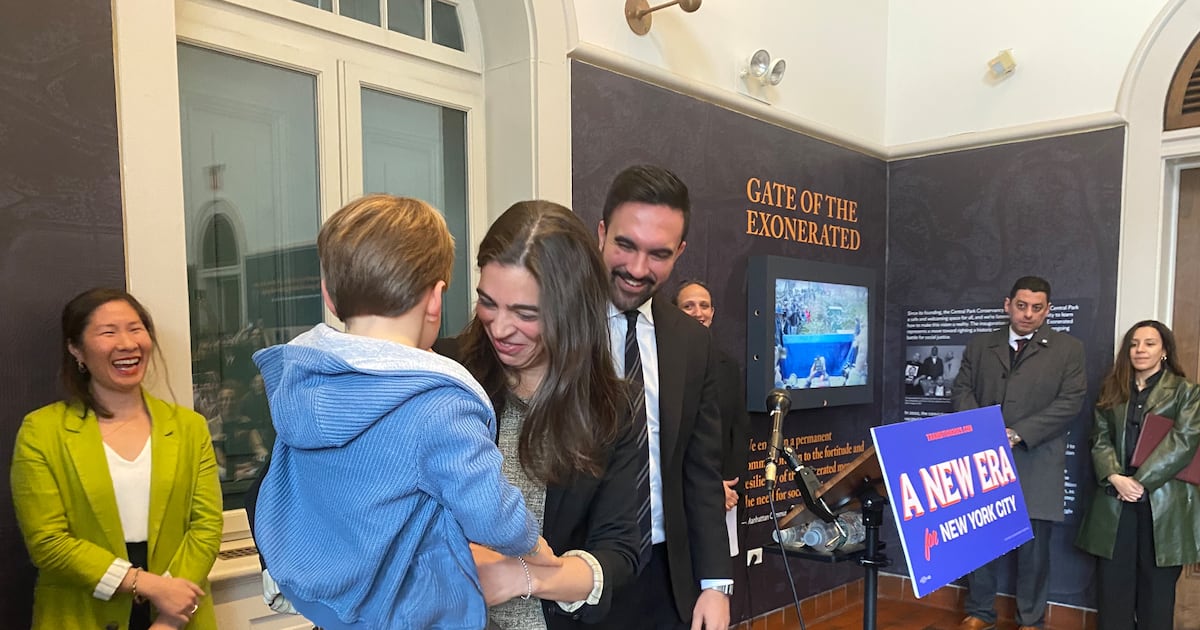
Emmy Liss has been appointed as the head of the Office of Child Care at the New York City Mayor’s Office. Drawing from her personal experience as a user of child care services and her extensive background in child care policy, Liss is tasked with overseeing the expansion of New York City’s child care system. This initiative aligns with several Sustainable Development Goals (SDGs), particularly SDG 3 (Good Health and Well-being), SDG 4 (Quality Education), and SDG 10 (Reduced Inequalities).
Background and Context
- Experience and Previous Roles: Emmy Liss served as the chief operating officer for the city’s early childhood education program under former Mayor Bill de Blasio, playing a central role in the rollout of universal prekindergarten (Pre-K).
- Current Challenges: Despite the promise of new state funding for child care initiatives, many providers face challenges such as low salaries, high staff turnover, and regulatory burdens. Additionally, children with disabilities often remain on waitlists for appropriate preschool classrooms.
Interview Highlights with Emmy Liss: Vision for Universal Child Care
Personal Experience with Child Care
Liss emphasizes the critical role caregivers and educators play in supporting children’s development and growth. She advocates for universal access to safe, high-quality child care that allows families to thrive without financial hardship, directly supporting SDG 1 (No Poverty) and SDG 5 (Gender Equality) by enabling parents, especially women, to participate fully in the workforce.
Lessons from Universal Pre-K Rollout
- Universality: The universal nature of Pre-K helped build community and governmental support, a principle that will guide the expansion of child care services.
- Inclusivity: Recognizing that children with disabilities were underserved, the new program commits to addressing these gaps, advancing SDG 10 (Reduced Inequalities).
- Community-Based Providers: The importance of partnering with community-based and home-based child care providers is acknowledged as essential for a comprehensive system.
Role of Family Child Care Providers
Family child care providers are identified as vital community pillars. The administration plans to engage closely with these providers to understand and meet their needs, ensuring culturally responsive and locally relevant care, which supports SDG 11 (Sustainable Cities and Communities).
Addressing Salary Disparities
Liss highlights the necessity of fair compensation for child care workers to maintain a stable and respected workforce. Collaboration with labor partners will be essential to address salary disparities between public school teachers and community-based child care providers, promoting SDG 8 (Decent Work and Economic Growth).
Strategies for Expanding Physical Space
The city will conduct a comprehensive, neighborhood-by-neighborhood assessment of supply and demand for child care services. Coordination across city agencies will focus on optimizing existing spaces and creating new ones to meet community needs, aligning with SDG 9 (Industry, Innovation, and Infrastructure).
Ensuring Program Quality and Cultural Responsiveness
- Quality and cultural responsiveness are not mutually exclusive; the system aims to support diverse program models that meet the unique needs of different communities.
- Lessons from the Pre-K for All expansion demonstrate that rapid access expansion can coincide with high-quality outcomes, as measured by nationally normed assessments.
- Resources will be thoughtfully allocated to coach and support providers, ensuring quality without enforcing uniformity.
Conclusion
The expansion of New York City’s child care system under Emmy Liss’s leadership represents a significant step toward achieving multiple Sustainable Development Goals. By focusing on universality, inclusivity, fair labor practices, and community engagement, the initiative aims to create a sustainable, equitable, and high-quality child care system that supports children, families, and communities across the city.
Report compiled by Abigail Kramer, New York City. Contact: akramer@chalkbeat.org
1. Which SDGs are addressed or connected to the issues highlighted in the article?
- SDG 4: Quality Education – The article discusses universal prekindergarten, early childhood education programs, and the expansion of child care services, all of which relate to ensuring inclusive and equitable quality education and promoting lifelong learning opportunities for all.
- SDG 3: Good Health and Well-being – The focus on safe, supportive child care environments and the development and growth of children connects to promoting well-being at all ages.
- SDG 5: Gender Equality – By providing accessible and affordable child care, the article touches on enabling parents, particularly women, to participate more fully in the workforce and society.
- SDG 8: Decent Work and Economic Growth – Addressing low salaries, high staff turnover, and workforce respect for child care providers relates to promoting decent work conditions and economic growth.
- SDG 10: Reduced Inequalities – The article highlights the need to serve children with disabilities and underserved communities, aiming to reduce inequalities in access to early education and child care.
2. What specific targets under those SDGs can be identified based on the article’s content?
- SDG 4 Targets:
- 4.2: Ensure that all girls and boys have access to quality early childhood development, care and pre-primary education so that they are ready for primary education.
- 4.a: Build and upgrade education facilities that are child, disability and gender sensitive and provide safe, non-violent, inclusive and effective learning environments for all.
- SDG 3 Targets:
- 3.4: Promote mental health and well-being, which includes supportive environments for children’s development.
- SDG 5 Targets:
- 5.4: Recognize and value unpaid care and domestic work through the provision of public services, infrastructure and social protection policies.
- SDG 8 Targets:
- 8.5: Achieve full and productive employment and decent work for all women and men, including young people and persons with disabilities, and equal pay for work of equal value.
- SDG 10 Targets:
- 10.2: Empower and promote the social, economic and political inclusion of all, irrespective of age, sex, disability, race, ethnicity, origin, religion or economic or other status.
3. Are there any indicators mentioned or implied in the article that can be used to measure progress towards the identified targets?
- Enrollment rates in universal prekindergarten and child care programs: The article references expanding access to universal pre-K and new child care initiatives for 2-year-olds, implying measurement of enrollment or coverage rates.
- Waitlists for children with disabilities: The mention of hundreds of children with disabilities on waitlists for preschool classrooms implies an indicator related to access and inclusion of children with special needs.
- Staff turnover and salary levels of child care providers: The article discusses low salaries and high staff turnover, suggesting indicators related to workforce stability and remuneration.
- Quality assessments of early childhood programs: Reference to nationally normed assessments measuring child outcomes in pre-K classrooms implies use of standardized quality and learning outcome indicators.
- Availability of culturally responsive programs: The article’s emphasis on culturally responsive and flexible programs suggests indicators related to program diversity and cultural inclusiveness.
- Use of physical space for child care programs: The discussion about assessing supply and demand neighborhood-by-neighborhood and creating new spaces implies indicators on infrastructure availability.
4. Table of SDGs, Targets and Indicators
| SDGs | Targets | Indicators |
|---|---|---|
| SDG 4: Quality Education |
|
|
| SDG 3: Good Health and Well-being |
|
|
| SDG 5: Gender Equality |
|
|
| SDG 8: Decent Work and Economic Growth |
|
|
| SDG 10: Reduced Inequalities |
|
|
Source: chalkbeat.org
What is Your Reaction?
 Like
0
Like
0
 Dislike
0
Dislike
0
 Love
0
Love
0
 Funny
0
Funny
0
 Angry
0
Angry
0
 Sad
0
Sad
0
 Wow
0
Wow
0