









































Report finds low-income Virginians pay the most for energy, points to need for affordable solar projects – Bay Journal
Report on Energy Burden and Sustainable Development in Virginia
Introduction: Addressing Energy Inequity in Pursuit of Sustainable Development Goals
A series of studies conducted by the Community Climate Collaborative in Charlottesville, Albemarle County, and Richmond, Virginia, analyzes the disproportionate impact of energy costs on low-income households. This report synthesizes these findings, framing the issue of “energy burden” within the context of the United Nations Sustainable Development Goals (SDGs). The analysis highlights how energy affordability is intrinsically linked to achieving SDG 1 (No Poverty), SDG 7 (Affordable and Clean Energy), and SDG 10 (Reduced Inequalities). The studies suggest that targeted interventions, particularly the adoption of solar energy, are critical for creating more sustainable and equitable communities.
Key Findings: The Intersection of Energy, Health, and Housing
The research identifies several critical factors contributing to energy inequity, which directly impact multiple SDGs.
- High Energy Burden: A household is considered to have a high energy burden when energy bills consume 6% or more of its annual income. The studies found that most low-income households in the surveyed areas face an average energy burden two to three times this threshold, severely hindering progress on SDG 1 (No Poverty).
- Rising Energy Costs: Increasing energy demand, driven partly by the commercial sector including data centers, is leading to proposed rate hikes for residential customers. This trend threatens to exacerbate energy poverty and undermine the objectives of SDG 7 (Affordable and Clean Energy).
- Public Health Implications: Inefficient and inadequate heating and cooling systems are linked to significant health risks, including respiratory illnesses, poor sleep, heat-related illnesses, and potential methane exposure. These conditions present a direct challenge to achieving SDG 3 (Good Health and Well-being).
- Housing Inefficiency: The reports identify a strong correlation between housing type, age, and energy burden. Homes built before 1980, as well as single-family and mobile homes, were found to be less energy-efficient, placing a greater financial strain on their inhabitants and complicating efforts toward SDG 11 (Sustainable Cities and Communities).
Socio-Economic Disparities and Historical Context: A Challenge to SDG 10
While income is the primary determinant of energy burden, the studies reveal a clear alignment with racial demographics, directly addressing the mission of SDG 10 (Reduced Inequalities).
- Racial Disparities: In all three localities, high energy burdens are concentrated in neighborhoods with a majority of African American residents.
- Legacy of Discrimination: Historical practices such as “redlining” have led to sustained disinvestment in these communities. This has resulted in inadequate infrastructure, including a lack of tree canopies that help cool neighborhoods, which is a critical component of climate resilience under SDG 11 and SDG 13 (Climate Action).
- Vulnerability of Renters: Renters, who are more likely to have lower incomes, possess limited control and capital to implement energy efficiency upgrades, perpetuating a cycle of high energy costs and poor living conditions.
Proposed Solutions Aligned with Global Goals
The reports recommend a multi-faceted approach to alleviate energy burden, with solutions that advance several Sustainable Development Goals simultaneously.
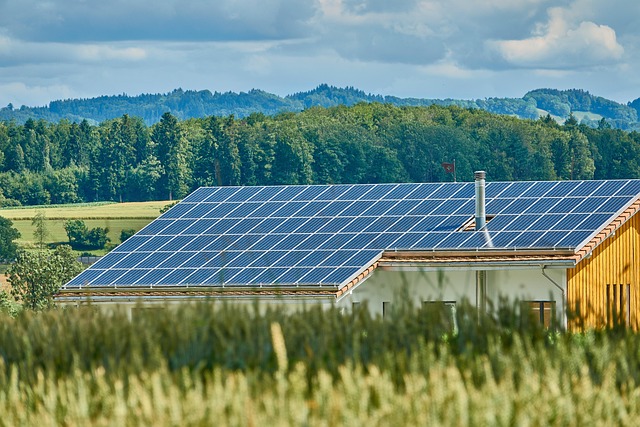
- Promote Clean and Affordable Energy (SDG 7 & SDG 13): The primary recommendation is to expand access to solar energy. Community solar programs and rooftop panel installations can significantly lower energy bills for low-income households while contributing to climate action by reducing reliance on fossil fuels.
- Advance Sustainable Urban Planning (SDG 11): Municipalities are encouraged to revise zoning codes to promote dense, multi-unit housing, which is inherently more energy-efficient. Implementing tree canopy standards and other green infrastructure can also create cooler, more resilient communities.
- Strengthen Energy Efficiency Programs (SDG 7): The reports advocate for continued funding of weatherization programs and the creation of innovative incentive programs that benefit both tenants and landlords, thereby improving the energy performance of the existing housing stock.
Challenges and Opportunities in Local Implementation
Despite a clear path forward, significant challenges remain. However, local initiatives demonstrate a strong commitment to achieving these sustainable development objectives.
- Challenges: The high upfront cost of solar installation remains a major barrier for low-income residents. The termination of federal programs like the EPA’s “Solar for All” has removed a crucial funding mechanism, creating a significant setback for achieving SDG 7 and SDG 10 on a national scale.
- Local Initiatives and Opportunities: Local action provides a powerful counter-narrative. In Henrico County, a partnership with a data center company has funded the free installation of solar panels on up to 250 low-income homes. Concurrently, policy advancements such as Richmond’s zoning code revisions and Albemarle County’s new comprehensive plan encouraging solar development demonstrate that local governments are critical drivers of progress toward the Sustainable Development Goals. This underscores the necessity of local work in rectifying historical inequities and building a sustainable future.
Analysis of Sustainable Development Goals in the Article
1. Which SDGs are addressed or connected to the issues highlighted in the article?
-
SDG 3: Good Health and Well-being
- The article connects energy insecurity to health problems, stating that “poor air conditioning or heating systems can lead to respiratory illness, poor sleep and heat-related illnesses — and even methane exposure for those who rely on gas stoves for warmth.” This directly links housing and energy conditions to health outcomes.
-
SDG 7: Affordable and Clean Energy
- This is a central theme of the article. It focuses on the “high energy burden” on households, the affordability of energy bills, and the promotion of clean energy solutions like solar panels. The article explicitly mentions that “solar energy could be part of the solution” to rising energy costs.
-
SDG 10: Reduced Inequalities
- The article highlights significant inequalities in how energy costs affect different populations. It states that “Low-income households with predominantly people of color tend to spend the highest percentage of their income on energy bills.” It also discusses the historical context of “redlining” and “discriminatory practices” that have led to disinvestment in African American neighborhoods, exacerbating these inequalities.
-
SDG 11: Sustainable Cities and Communities
- The article discusses issues of housing, urban planning, and community resilience. It points out that older homes (“built before 1980”) and certain housing types (single-family and mobile homes) have higher energy costs. It also proposes solutions related to sustainable urban development, such as encouraging “dense, multi-unit housing because it’s more energy efficient” and revising city codes to “include tree canopy standards to create cooler neighborhoods.”
-
SDG 13: Climate Action
- The article addresses climate action by promoting solutions that mitigate climate change. The push for solar energy through initiatives like the “Solar for All program” and local county efforts, as well as the emphasis on energy efficiency through “weatherization programs,” are direct actions to transition to cleaner energy and reduce the carbon footprint of communities.
2. What specific targets under those SDGs can be identified based on the article’s content?
-
Under SDG 7 (Affordable and Clean Energy):
- Target 7.1: By 2030, ensure universal access to affordable, reliable and modern energy services. The article’s entire focus on the “high energy burden” and the struggle of households to afford energy bills directly relates to this target.
- Target 7.2: By 2030, increase substantially the share of renewable energy in the global energy mix. The article champions solar energy as a solution, mentioning community solar programs, the “Solar for All program,” and a Henrico County initiative to “install solar panels for free” on low-income homes.
- Target 7.3: By 2030, double the global rate of improvement in energy efficiency. The article suggests improving energy efficiency through “weatherization programs,” upgrading AC units and water heaters, and building more efficient housing like “dense, multi-unit housing.”
-
Under SDG 10 (Reduced Inequalities):
- Target 10.2: By 2030, empower and promote the social, economic and political inclusion of all, irrespective of age, sex, disability, race, ethnicity, origin, religion or economic or other status. The article identifies that high energy burdens are “concentrated neighborhoods with a majority of African American residents” due to historical “redlining” and “disinvestment.” The proposed solutions aim to rectify these inequities.
-
Under SDG 11 (Sustainable Cities and Communities):
- Target 11.1: By 2030, ensure access for all to adequate, safe and affordable housing and basic services and upgrade slums. The article discusses how renters have “less control and capital to upgrade” their homes and how mobile homes are “extremely energy inefficient,” pointing to a need for better and more affordable housing solutions.
- Target 11.3: By 2030, enhance inclusive and sustainable urbanization and capacity for participatory, integrated and sustainable human settlement planning and management in all countries. The article mentions that Richmond is “revising its code for the first time in almost 50 years” to allow for denser housing and potentially “include tree canopy standards,” which is a direct example of sustainable urban planning.
3. Are there any indicators mentioned or implied in the article that can be used to measure progress towards the identified targets?
- Proportion of income spent on energy: The article explicitly defines a “high energy burden” as spending “at least 6% of its annual income on energy bills.” This serves as a direct indicator to measure energy affordability (Target 7.1).
- Percentage of households with a high energy burden: The article provides specific data points that can be used as baseline indicators, such as “more than a quarter of households in the city [Richmond] have an energy burden of 6% or more” and “About 13% of households in Albemarle County have a high energy burden.”
- Disparity in energy burden by income and race: The article implies an indicator by stating that “the main determinant for having high energy burden was income” and that the burden is concentrated in “neighborhoods with a majority of African American residents.” Measuring the gap in energy burden between different demographic groups would track progress on Target 10.2.
- Number of renewable energy installations: The article mentions the Henrico County initiative aims to “help up to 250 low-income Henrico residents install solar panels.” The number of homes with new solar installations is a clear indicator for measuring the increase in renewable energy share (Target 7.2).
- Number of homes receiving energy efficiency upgrades: The mention of “weatherization programs” implies that the number of homes weatherized or the energy savings achieved through these programs can be used as an indicator for progress on energy efficiency (Target 7.3).
- Changes in urban planning and building codes: The article points to Richmond revising its code to “allow duplexes to add another unit to increase density” and potentially add “tree canopy standards.” The adoption of these new codes is a measurable indicator of progress toward sustainable urbanization (Target 11.3).
4. SDGs, Targets, and Indicators Summary
| SDGs | Targets | Indicators |
|---|---|---|
| SDG 3: Good Health and Well-being | Ensure healthy lives and promote well-being for all at all ages. | Incidence of respiratory illness, poor sleep, and heat-related illnesses linked to inadequate housing conditions. |
| SDG 7: Affordable and Clean Energy |
7.1: Ensure universal access to affordable, reliable and modern energy services. 7.2: Increase substantially the share of renewable energy. 7.3: Double the global rate of improvement in energy efficiency. |
– Proportion of household income spent on energy (energy burden). – Percentage of households spending over 6% of income on energy. – Number of solar panel installations in low-income households. – Number of homes participating in weatherization programs. |
| SDG 10: Reduced Inequalities | 10.2: Empower and promote the social and economic inclusion of all, irrespective of race, ethnicity, or economic status. |
– Disparities in energy burden across different income levels. – Disparities in energy burden between racial groups (e.g., comparing African American neighborhoods to others). |
| SDG 11: Sustainable Cities and Communities |
11.1: Ensure access for all to adequate, safe and affordable housing. 11.3: Enhance inclusive and sustainable urbanization. |
– Percentage of housing stock built before energy-efficient standards (e.g., before 1980). – Adoption of revised city codes to allow for increased housing density. – Inclusion of tree canopy standards in municipal plans. |
| SDG 13: Climate Action | Integrate climate change measures into policies and planning. |
– Funding allocated to local solar and weatherization programs. – Growth in community solar program participation. |
Source: bayjournal.com
What is Your Reaction?
 Like
0
Like
0
 Dislike
0
Dislike
0
 Love
0
Love
0
 Funny
0
Funny
0
 Angry
0
Angry
0
 Sad
0
Sad
0
 Wow
0
Wow
0