






































;Resize=620#)




















Scaling up family planning approaches – World Health Organization (WHO)
Report on Innovative Family Planning Strategies and their Contribution to Sustainable Development Goals
This report outlines key evidence-based strategies being implemented to enhance the accessibility and equity of family planning services. These initiatives are critical for achieving multiple Sustainable Development Goals (SDGs), particularly SDG 3 (Good Health and Well-being), SDG 5 (Gender Equality), and SDG 10 (Reduced Inequalities). By empowering individuals to make informed decisions about their reproductive health, these approaches contribute to poverty reduction (SDG 1), quality education (SDG 4), and sustainable economic growth (SDG 8).
Core Strategies for Advancing SDG Targets
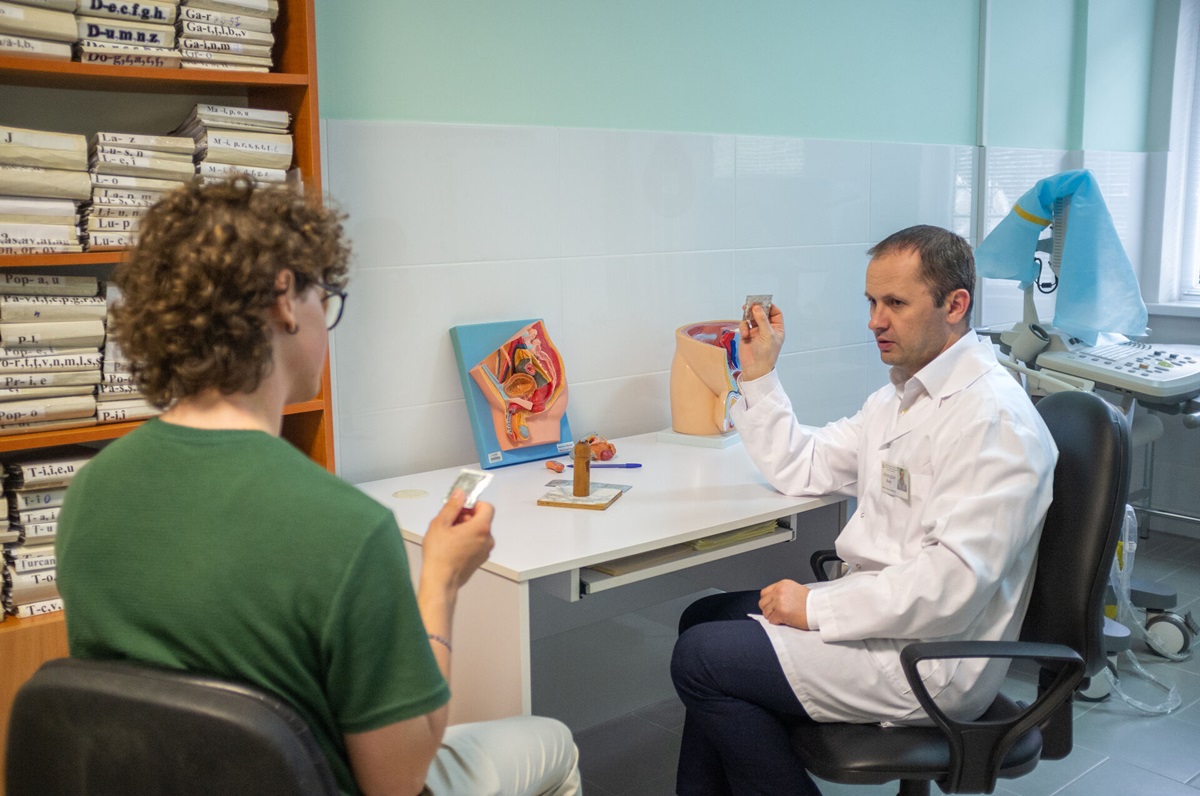
The WHO Family Planning Accelerator Plus initiative is scaling up several innovative solutions to overcome barriers such as distance, cost, and misinformation. These strategies are instrumental in advancing the 2030 Agenda for Sustainable Development.
- Task-Sharing: Expanding the range of health workers authorized to provide contraceptive services to improve access and reduce health system inequalities, directly supporting SDG 3 and SDG 10.
- Post-Pregnancy Family Planning: Integrating contraceptive services with maternal and newborn health care to ensure continuity of care, a key component of SDG 3.
- Social and Behaviour Change (SBC) Interventions: Addressing social and gender norms, myths, and misinformation to foster an enabling environment for informed choice, which is fundamental to achieving SDG 5 and SDG 4.
Detailed Analysis of Interventions
Task-Sharing: Decentralizing Healthcare to Achieve SDG 3 and SDG 10
The task-sharing approach delegates clinical family planning tasks from specialist doctors to a wider cadre of trained health workers, including midwives, nurses, and community health workers. This decentralization is a powerful strategy for achieving universal health coverage (Target 3.8) and reducing inequalities (SDG 10) by extending services to rural and underserved communities.
- Burkina Faso: A nationwide rollout led to a threefold increase in the use of injectable contraception within six months.
- Ethiopia: The strategy doubled contraceptive use while decreasing the unmet need for family planning.
- Ghana and Nigeria: An increased uptake of long-acting reversible contraception methods was observed among women.
These outcomes demonstrate that task-sharing effectively transforms access to care, making it more equitable and efficient.
Post-Pregnancy Family Planning: Integrating Services for Maternal Health (SDG 3)
Integrating family planning counselling and services into antenatal, delivery, and postnatal care capitalizes on a critical opportunity to support women’s health. This approach directly contributes to SDG Target 3.7, which calls for universal access to sexual and reproductive health-care services. By enabling individuals to plan their families, this strategy supports healthier households, eases pressure on health systems, and fosters long-term economic development (SDG 8).
- Kenya: New mothers receive family planning information and have the option to select a contraceptive method before being discharged from maternity wards, improving contraceptive uptake.
- Ethiopia: The integration of post-abortion family planning services significantly expanded access to long-acting reversible contraception.
Social and Behaviour Change: Fostering Gender Equality (SDG 5) and Informed Choices (SDG 4)
Social and Behaviour Change (SBC) interventions are designed to dismantle barriers rooted in stigma, misinformation, and harmful gender norms. By providing accurate information and promoting community dialogue, these initiatives support quality education (SDG 4) and are essential for achieving gender equality (SDG 5), particularly Target 5.6 concerning reproductive rights. Efforts include media campaigns, community events, and engaging local leaders to create a supportive environment for decision-making.
- Uganda: Community-based initiatives, including social accountability dialogues, improved service quality and uptake, including among women living with HIV.
- Kenya: Projects like the Tupange Project have enhanced community engagement and shifted social norms, encouraging open discussion about contraception.
A Systematic Approach to Scaling Up for Sustainable Impact
The successful implementation of these strategies relies on a systematic approach to identify and resolve obstacles. Through a method known as “bottleneck analysis,” countries can identify root causes hindering progress and develop targeted solutions. This collaborative process, involving governments, health workers, and communities, embodies the principles of SDG 17 (Partnerships for the Goals).
- Reviewing national health data to identify gaps.
- Conducting interviews with frontline workers and community members.
- Facilitating workshops to co-create practical solutions, such as policy revisions, staff training, and supply chain improvements.
This methodical approach ensures that successful interventions are scaled up effectively, leading to a measurable expansion of services and empowering more people with the knowledge to make informed health choices.
Sustainable Development Goals (SDGs) Addressed in the Article
SDG 3: Good Health and Well-being
- The article’s central theme is improving access to family planning, which is a core component of sexual and reproductive health. It discusses innovative approaches like task-sharing and post-pregnancy family planning to deliver these essential health services more effectively. The text explicitly states that these efforts lead to healthier families and children, directly aligning with the goal of ensuring healthy lives and promoting well-being for all.
SDG 5: Gender Equality
- The article highlights how family planning “allows people to have control over their own lives and future,” which is a fundamental aspect of empowerment, particularly for women. It also addresses the need to “shift harmful gender norms” and tackles situations where women “cannot make decisions without their partner’s approval.” These points directly connect to the goal of achieving gender equality and empowering all women and girls by giving them autonomy over their reproductive health.
SDG 10: Reduced Inequalities
- A key focus of the article is making family planning services “more accessible and equitable.” It describes strategies aimed at overcoming barriers for people in “rural or remote communities” and expanding services to “hard-to-reach places.” By working to ensure that everyone, regardless of their location, has access to these crucial health services, the initiatives discussed directly address the goal of reducing inequality within and among countries.
Specific SDG Targets Identified
Under SDG 3: Good Health and Well-being
- Target 3.7: By 2030, ensure universal access to sexual and reproductive health-care services, including for family planning, information and education, and the integration of reproductive health into national strategies and programmes.
- The entire article is dedicated to this target. It details specific strategies—task-sharing, post-pregnancy family planning, and social and behaviour change interventions—designed to achieve universal access. The integration of family planning into maternal and newborn health services in Kenya and Ethiopia is a direct example of integrating reproductive health into national programmes.
Under SDG 5: Gender Equality
- Target 5.6: Ensure universal access to sexual and reproductive health and reproductive rights.
- This target is addressed through the article’s emphasis on empowering individuals to “make informed choices” and have “control over their own lives.” The Social and Behaviour Change (SBC) interventions, which aim to address myths, provide accurate information, and challenge norms that prevent women from making their own decisions, are directly working towards ensuring reproductive rights.
Indicators for Measuring Progress
Implied and Mentioned Indicators
- Rate of contraceptive use: The article provides concrete data as an indicator of success. For example, it states, “In Burkina Faso, the use of injectable contraception more than tripled within six months,” and “In Ethiopia, contraceptive use doubled.” This metric directly measures the uptake of family planning services.
- Unmet need for family planning: The article explicitly mentions that in Ethiopia, “unmet need declined.” This is a direct reference to Indicator 3.7.1 (Proportion of women of reproductive age who have their need for family planning satisfied with modern methods), a key metric for tracking progress on Target 3.7.
- Uptake of specific contraceptive methods: The article notes that in Ghana and Nigeria, “women increasingly chose long-acting reversible contraception methods.” This serves as a specific indicator of changing preferences and successful provision of a wider range of contraceptive options.
- Women’s autonomy in decision-making: While not providing a direct number, the article implies this indicator by identifying the problem of women who “cannot make decisions without their partner’s approval.” The success of SBC interventions could be measured by a reduction in this barrier, which aligns with Indicator 5.6.1 (Proportion of women who make their own informed decisions regarding sexual relations, contraceptive use and reproductive health care).
Summary of SDGs, Targets, and Indicators
| SDGs | Targets | Indicators |
|---|---|---|
| SDG 3: Good Health and Well-being | Target 3.7: Ensure universal access to sexual and reproductive health-care services, including for family planning. |
|
| SDG 5: Gender Equality | Target 5.6: Ensure universal access to sexual and reproductive health and reproductive rights. |
|
| SDG 10: Reduced Inequalities | Target 10.2: Empower and promote the social, economic, and political inclusion of all. |
|
Source: who.int
What is Your Reaction?
 Like
0
Like
0
 Dislike
0
Dislike
0
 Love
0
Love
0
 Funny
0
Funny
0
 Angry
0
Angry
0
 Sad
0
Sad
0
 Wow
0
Wow
0